

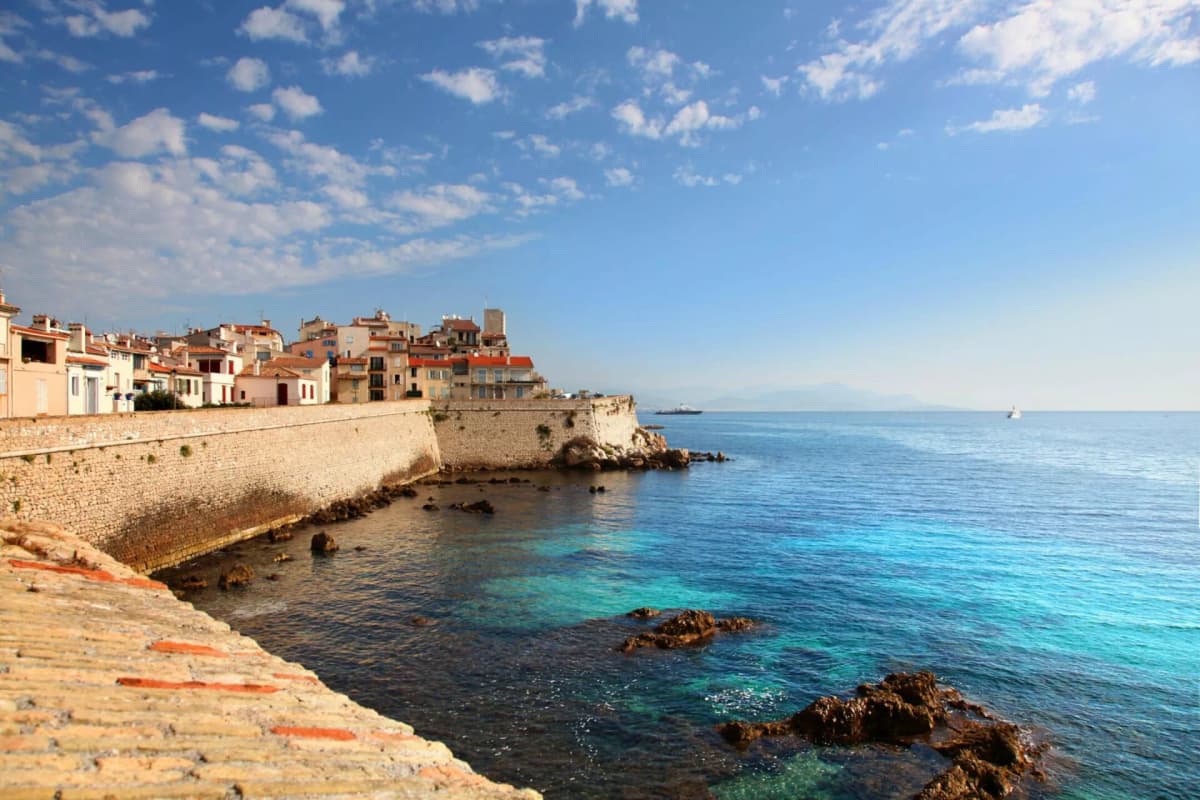
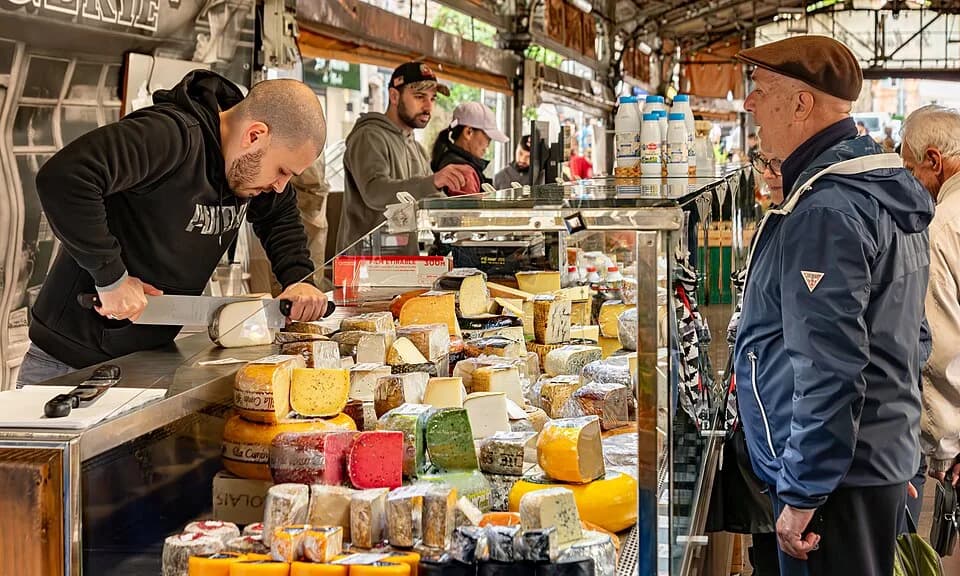
Between Nice and Cannes lies Antibes — a city where a Roman wall can be just two steps away from a modernist villa, and the market on Masséna smells of Provençal herbs and salted fish.
The route covers Juan-les-Pins, the Cap d'Antibes peninsula, the 'Traffic Light' viewpoint, traces of writers and artists, the modern center near De Gaulle, the port, the old town, the ancient wall, Place Nationale, the market, the Grimaldi fortress, the Picasso Museum, and the cathedral — strictly in the order set by guide Raisa.
On Cap d'Antibes, the road runs along villas that have been featured in novels; the 'Traffic Light' is a local spot for panoramas that Antibois know better than tourist postcards. In the port and the old town, the connection to the sea is felt more strongly than in neighboring resorts.
The Grimaldi fortress, which houses the Picasso Museum, is a key stop: here, art and medieval architecture literally share the same walls. The cathedral completes the picture of the historic center; at the market, you can discuss what to try and what to take home.
During the tour, you will learn:
Price and duration are not specified — we will discuss them separately; the language is Russian. Visiting the Picasso Museum is included in the route; entrance tickets are usually paid on site, and the guide will help you navigate the queues and opening hours.
Juan-les-Pins and Cap d'Antibes set the 'maritime' tone of the day, while the old town with its fortress and cathedral provides the historical framework. Between them are the modern De Gaulle square and the Vauban port, where luxury yachts do not cancel out fishing traditions.
Cap d'Antibes and the 'Traffic Light' require literally a few minutes for a panorama — it is exactly there that you understand why artists chose this light. At the Masséna market, you can take a break for coffee and regional delicacies without falling out of the day's rhythm.
The individual format is convenient for a long list of stops: you do not need to choose between the museum and the market — we have time for both, if you want to go inside Grimaldi. The guide will warn you in advance about the dress code in the cathedral and where to leave your car near the port.
Antibes rewards the patient traveler: there is less glamour here than in Cannes, but more authentic Mediterranean life. Let's follow the trails of artists and the sea!
Antibes blends 19th-century villas with modern life. We explore Le Suquet’s quiet lanes and La Croisette’s yachts. Visit Grimaldi Castle and smell lavender in narrow streets. Discover why this medieval fortress city is called the Pearl of the Riviera, coexisting with boutiques and rich history.
Juan-les-Pins offers a calm escape from crowds. We stroll the promenade where fishermen mend nets and visit shops selling local cheese. Experience the true rhythm of coastal life, from morning coffee to evening walks. Enjoy perfect beaches and cozy cafes with sea views in this quiet haven near Antibes.
The southernmost cape of France, where the Mediterranean meets the Atlantic. Cap d'Antibes is a wild region covered in pine trees and lavender, offering views of the Ligurian Sea. Here stands a lighthouse from the 1860s and the ruins of a Roman villa. We will drive along winding roads that reveal breathtaking panoramas. This is a place for those seeking seclusion and natural beauty, rather than crowds of tourists. The air here smells of salt and herbs, and the silence is broken only by the cries of seagulls.
Here the asphalt ends and the infinite azure sea begins. From this point, you can see Le Semaphore — a huge red object resembling a toy in the scale of the coastal landscape. Local history says the artist wanted to show how human presence looks from the outside. The wind here is always fresh, and the horizon seems closer than on land. It is an ideal spot for photos without crowds, where you can simply breathe the salty air and watch the play of light on the waves.
Antibes streets preserve the Belle Époque legacy. Masters like Picasso and Dalí created here, inspired by southern light. Locals still debate where their finest works were painted. Walking these places feels like reading a biography written by wind and salt. Every wall serves as a backdrop for genius, while the air is steeped in the spirit of free creativity.
The old town’s heart beats on De Gaulle Square, where routes of those seeking modern Antibes converge. Terraced cafés host locals, not just tourists. Architecture blends classic facades with modern details. It is perfect for a snack or observing French life away from resort bustle.
Yacht masts sway with the waves at the shoreline, creating a sense of perpetual motion. Ancient stone walls shield the city from the wind, while the scent of salt mingles with fresh bread from the promenade bakeries. Fishing boats dock here, bringing in lobster and sardines bought immediately by locals. Behind tourists photographing the sunset, real life is in full swing: flower vendors speak the local dialect, and sailors mend their nets. This is a place where Mediterranean history is felt tangibly, through the helm and the deck.
The narrow streets of the Old Town climb upward like the spiral of an old anchor. Stone facades covered in ivy preserve the traces of past centuries, while steep staircases make one reflect on the effort required to build homes here. Small cafes serving lobster in sauce and workshops where lace is still embroidered by hand hide in the cramped courtyards. Every turn reveals a new view of the sea, shimmering gold in the distance. The silence here is unique, interrupted only by the click of heels on the cobblestones and the chime of a bell above a bakery door.
The sixteenth-century fortification wall encircles the upper part of the city like a stone belt. Sun-bleached and salt-worn blocks bear the marks of long-past battles. From the towers, a panorama unfolds where the sea merges with the sky into a single blue canvas. Locals love strolling here at sunset, when the shadows from the arrow slits stretch long. It is said that on windy nights, the stones of the wall sing, carrying the whispers of guards from centuries ago.
The heart of Nice beats here, where the bustling market neighbors the quiet of old alleys. The stone slabs remember the footsteps of Napoleon, and the air is filled with the scent of fresh flowers. It is said that it is on this square that the locals decide who is right in the city today.
The central fountain with a torch symbolizes the eternal flame of freedom. Tourists and vendors bustle here, offering truffles and Provençal cheeses. Local history claims every stone on the square holds the secret of an old conflict.
The hillside ruins overlook the city like a wise elder watching noisy grandchildren. Once the treasury was stored here, but now only the wind whispers of its former power. As you climb the narrow path, you feel time slowing down.
The walls of the Grasse Palace house not just a collection, but the living trace of a genius. Picasso chose this home for its light and tranquility, where his boldest ideas were born. We will step into the studio where the artist hid from the spotlight and explore how he transformed paper waste into sculptures. Only certain exhibits are available to be touched through special tactile replicas.
Eight centuries ago, stone was laid upon stone here to create a monument that still holds the city together. Inside, the air smells of old wood and wax, while the stained glass windows play with light depending on the time of day. We will find the burial site of a bishop whose grave preserves the secrets of medieval craftsmanship. Every crack in the marble is not a defect, but a story that our guide will tell.