

Bourgogne-Franche-Comte
Imagine this: you're not just driving along the roads of France, but literally penetrating its very heart, where every hill holds centuries of secrets, and every glass of wine conceals a story you won't read in textbooks. Forget the hustle and bustle of Paris – we're embarking on a two-day journey where taste and time intertwine in the most unexpected narratives of Burgundy and Champagne.
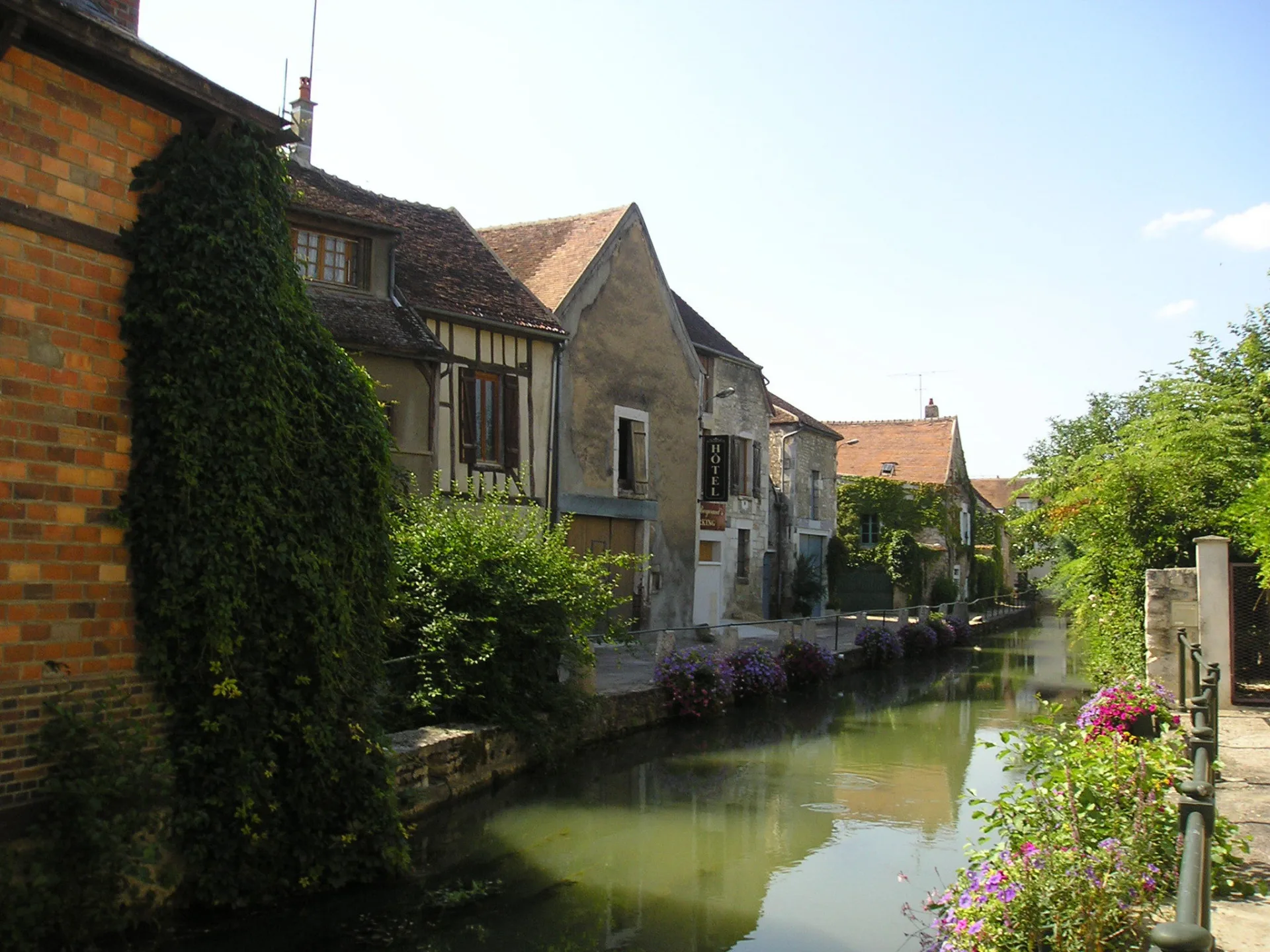
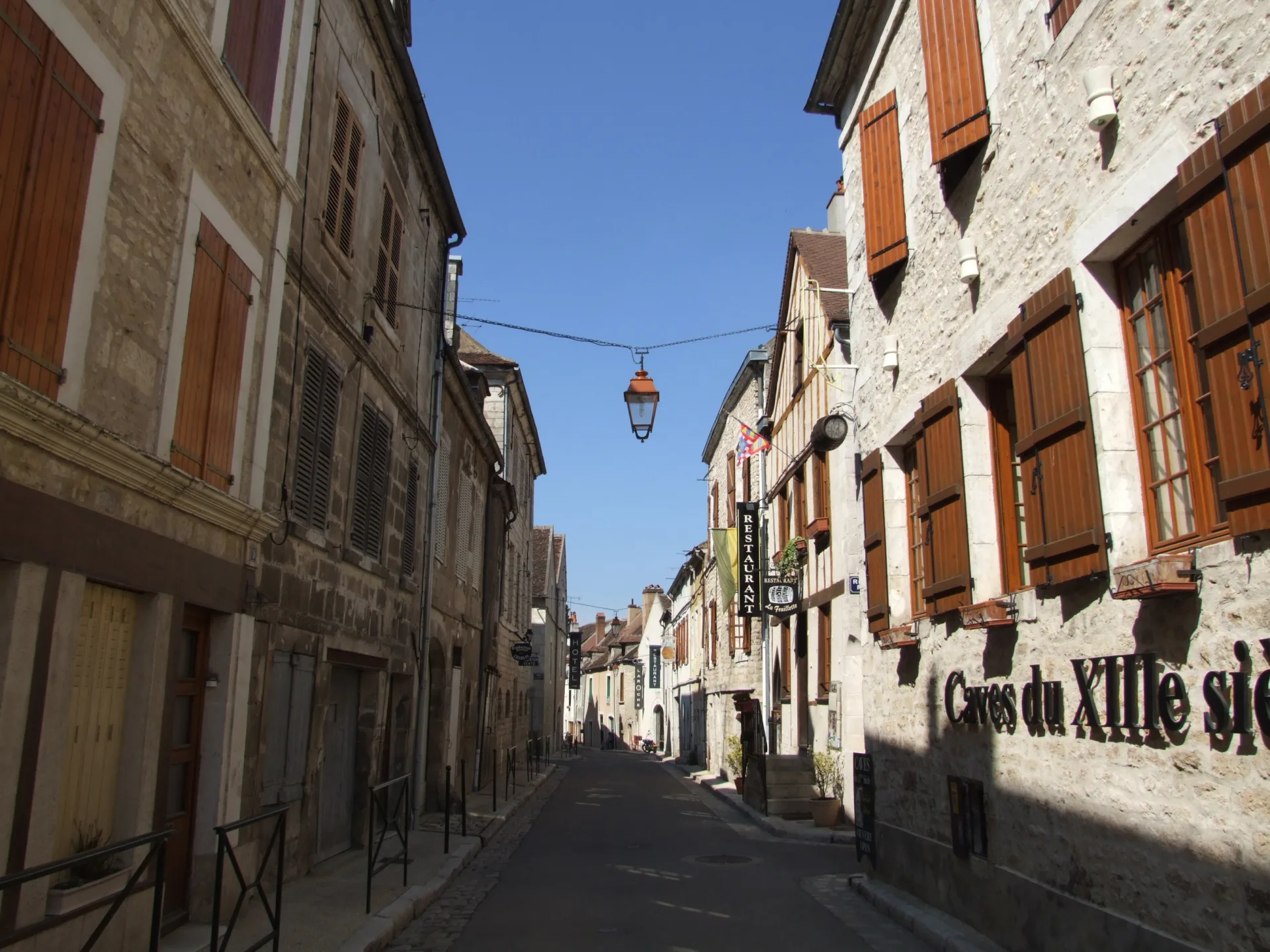
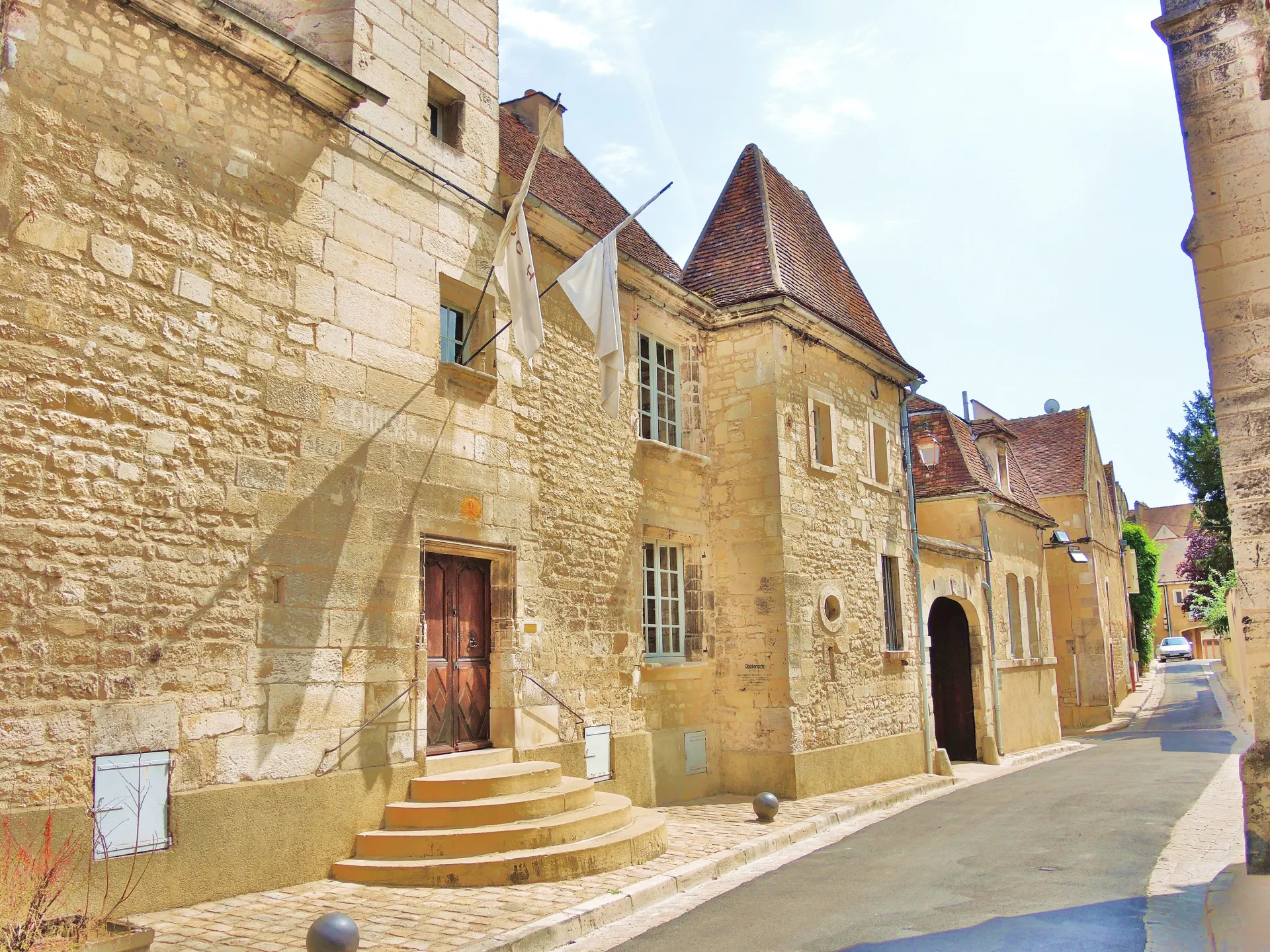
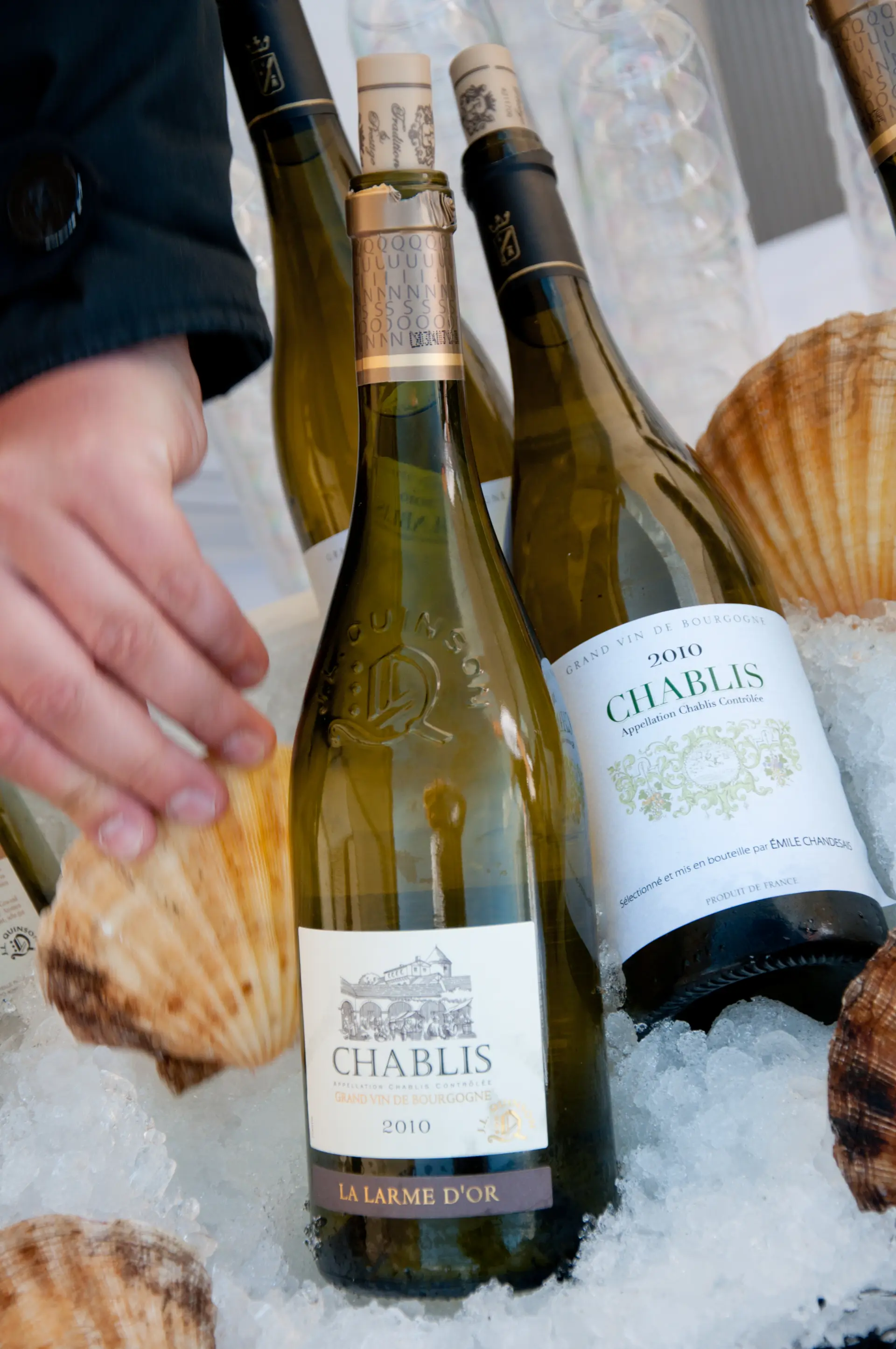
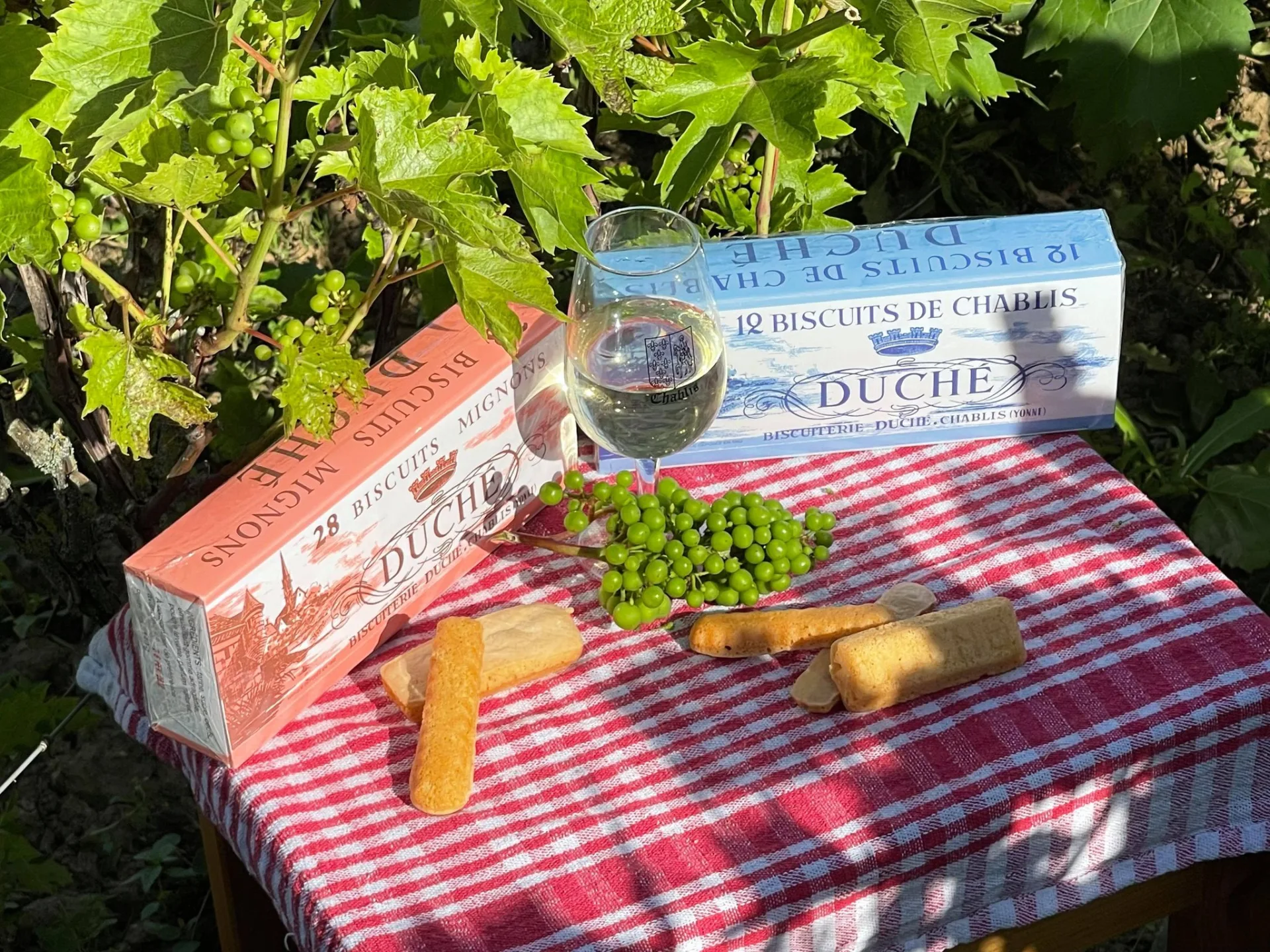
Our journey will begin early in the morning from Paris, while the city still sleeps, and we'll already be speeding towards the first rays of sun illuminating endless vineyards. Our first stop is Chablis, a village whose name has become synonymous with one of the world's most noble white wines. Here, amidst ancient stone houses, we'll stroll, breathing in the cool air, imbued with the aromas of earth and grape. It's said that the secret to that distinctive minerality, which sets Chablis apart, lies precisely in these chalky soils. We won't just taste wine – we'll savor history, feel how generations of winemakers poured their soul into every vine, and then we'll have lunch at a local restaurant, enjoying Burgundian specialties.
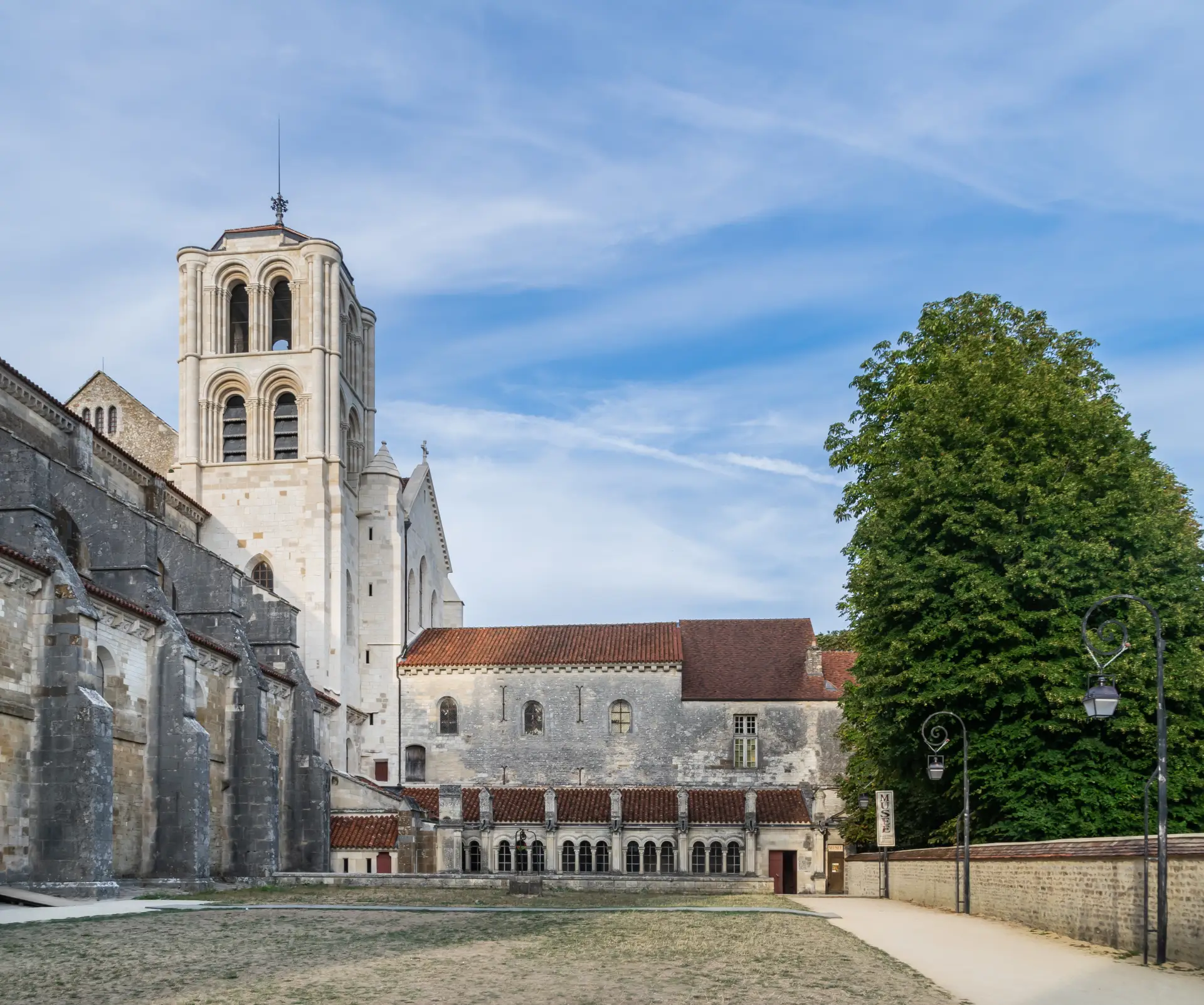
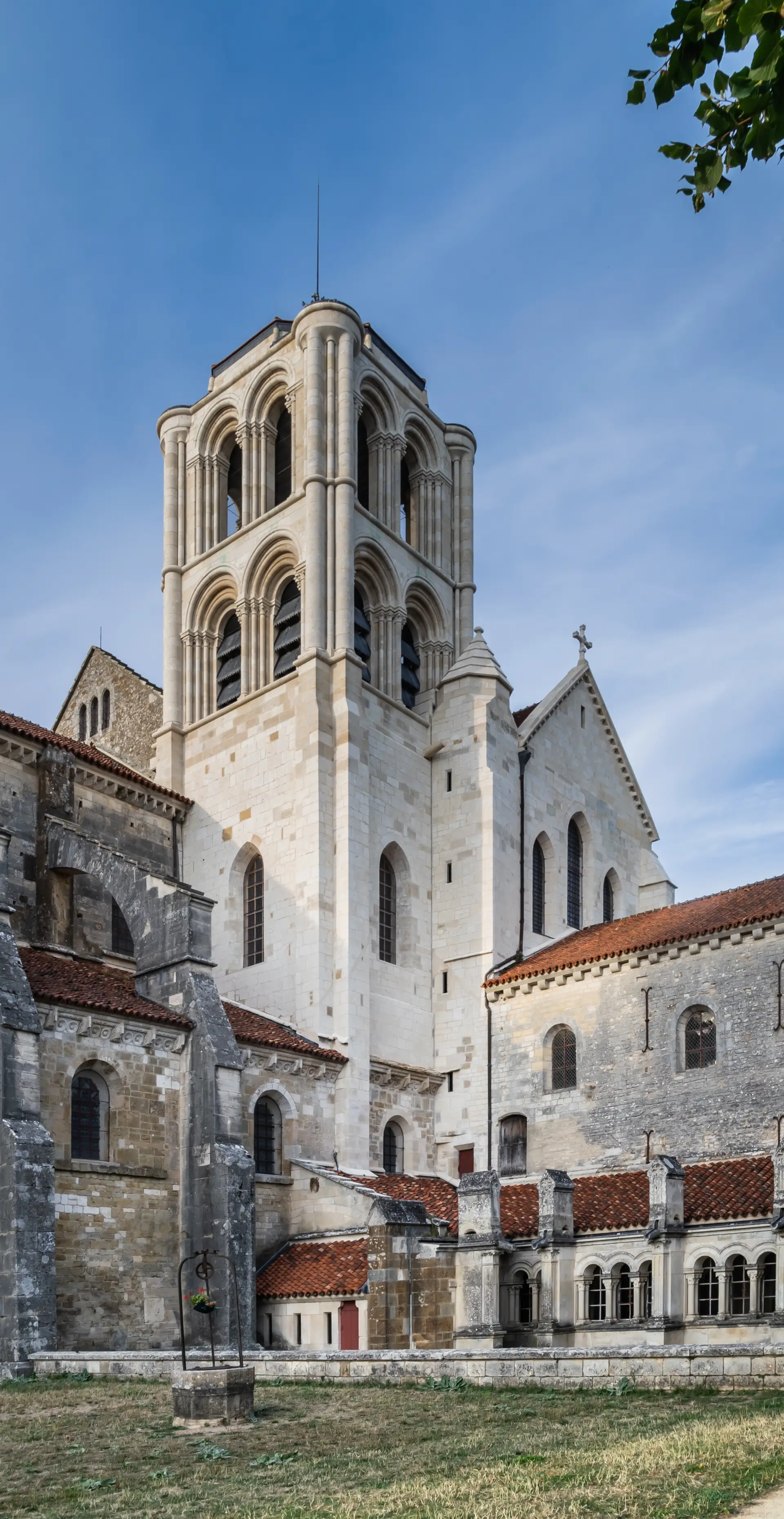
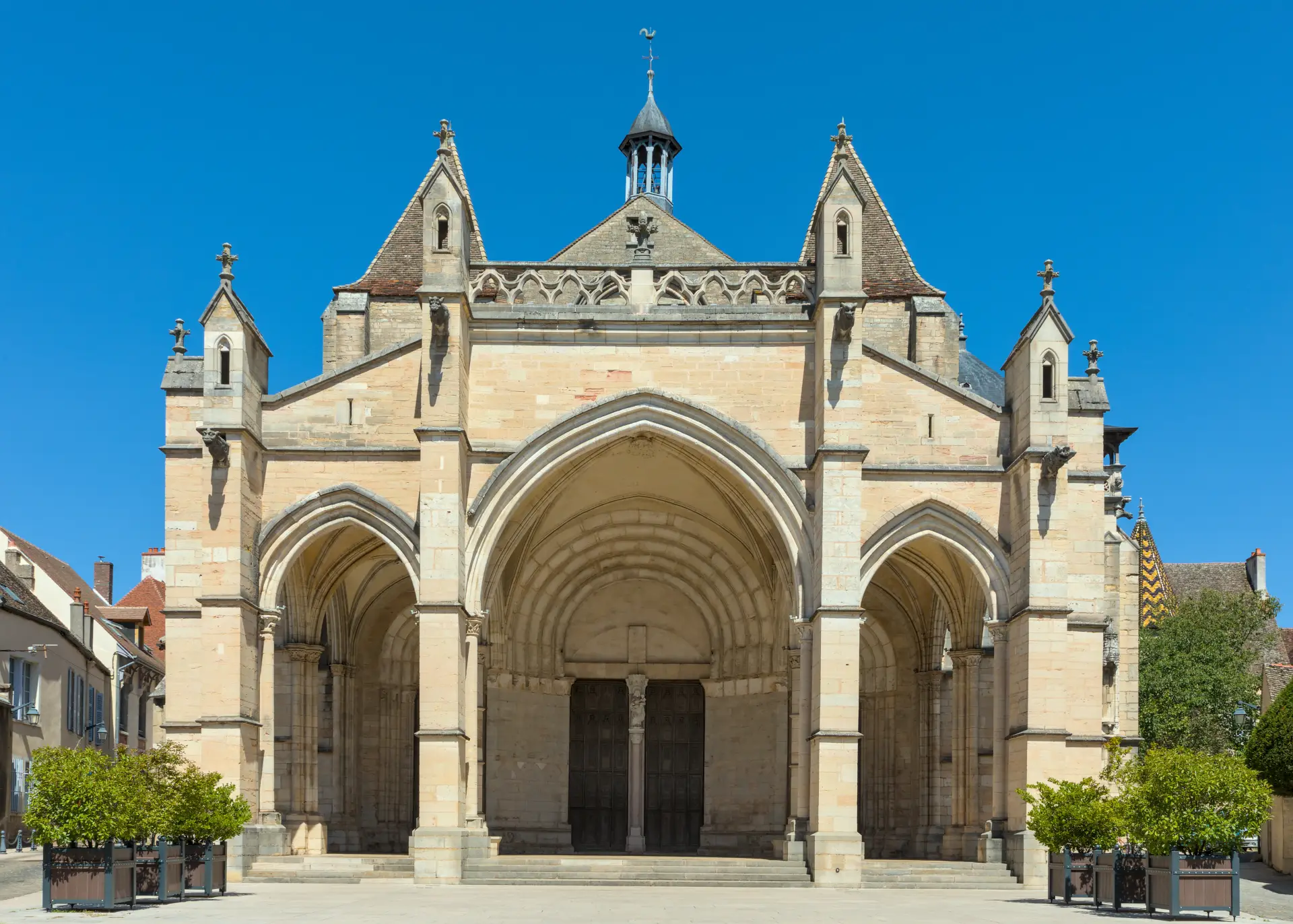
After Chablis, the road will lead us to Vézelay, a place where time seems to have stood still centuries ago. This medieval village, perched atop a hill, is crowned by a magnificent abbey, a UNESCO World Heritage site. It's rumored that the relics of Mary Magdalene are kept precisely here. After a walk through its narrow streets, we'll head to Beaune – the capital of Burgundy wines. Here, we'll visit the famous Hospices de Beaune, a 15th-century masterpiece with an incredible polychrome roof. This is not merely a hospital, but a work of art whose history will make you ponder mercy and the grandeur of the human spirit. Dinner and an overnight stay will be a wonderful conclusion to the day.
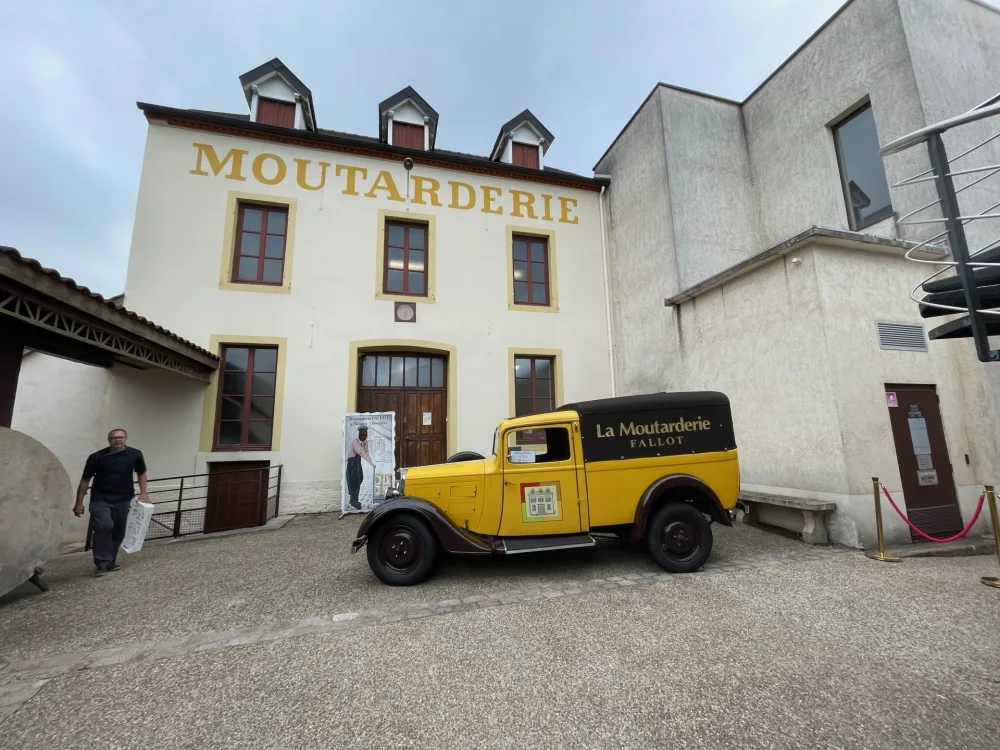
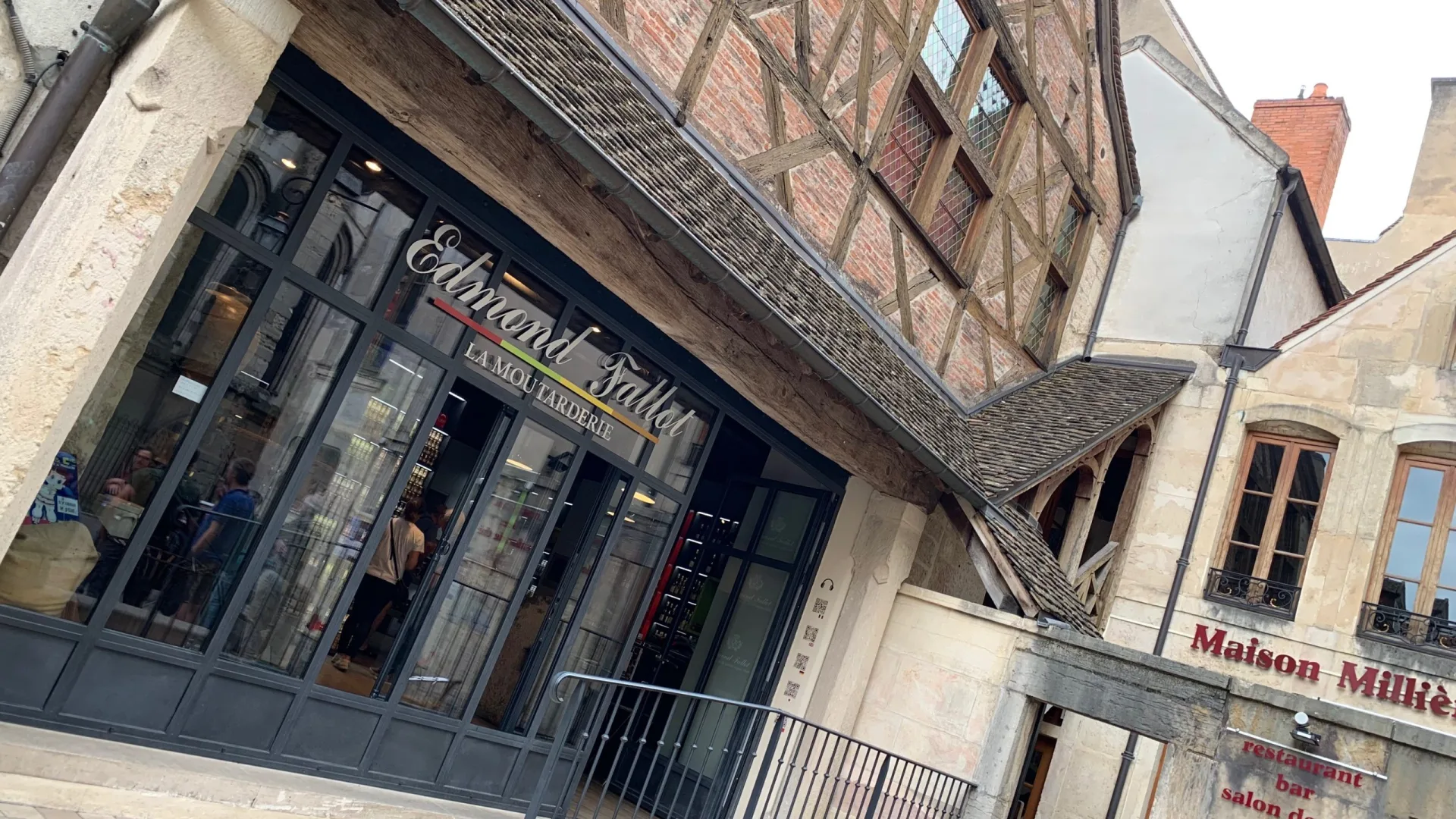
The morning of the second day will begin with new discoveries. From Beaune, we'll journey to Dijon, the heart of Burgundy. Before delving into its architectural splendors, we'll immerse ourselves in a world of flavors. You'll discover why Burgundian wines are considered among the most expensive in France. And then we'll visit La Moutarderie Fallot – the last independent Dijon mustard factory. Here, they'll unveil the secrets behind creating the 'best mustard in the world'.
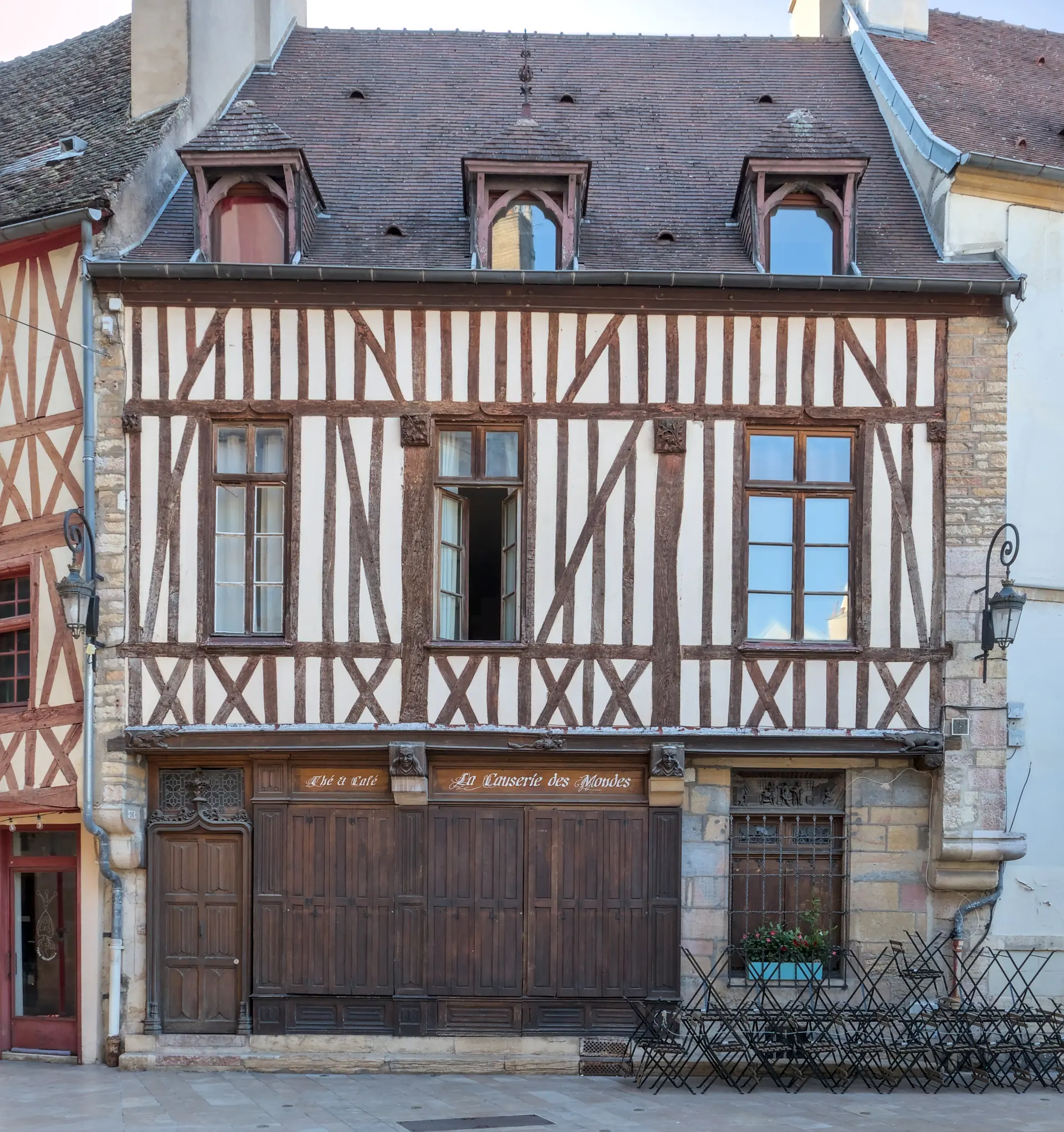
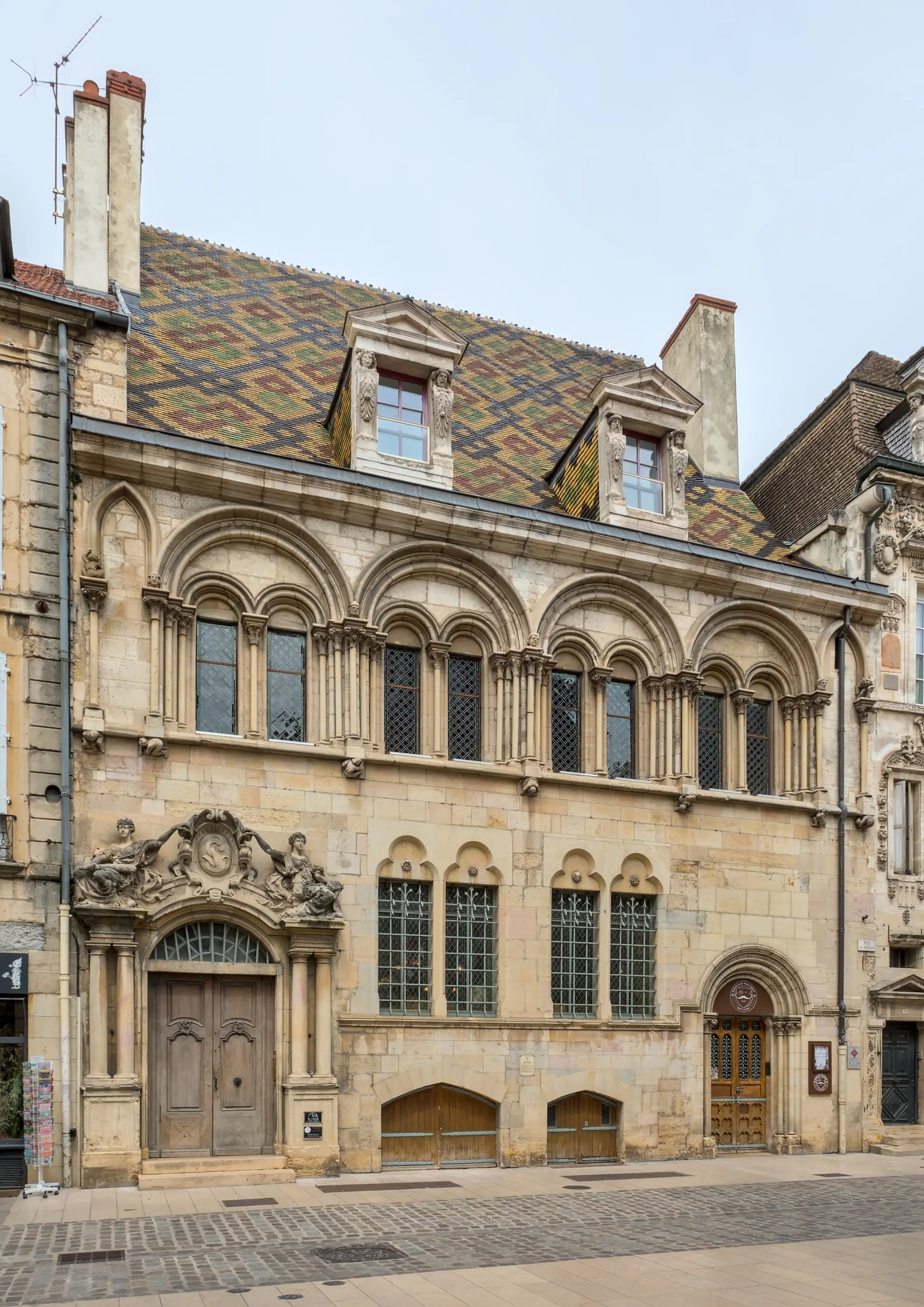
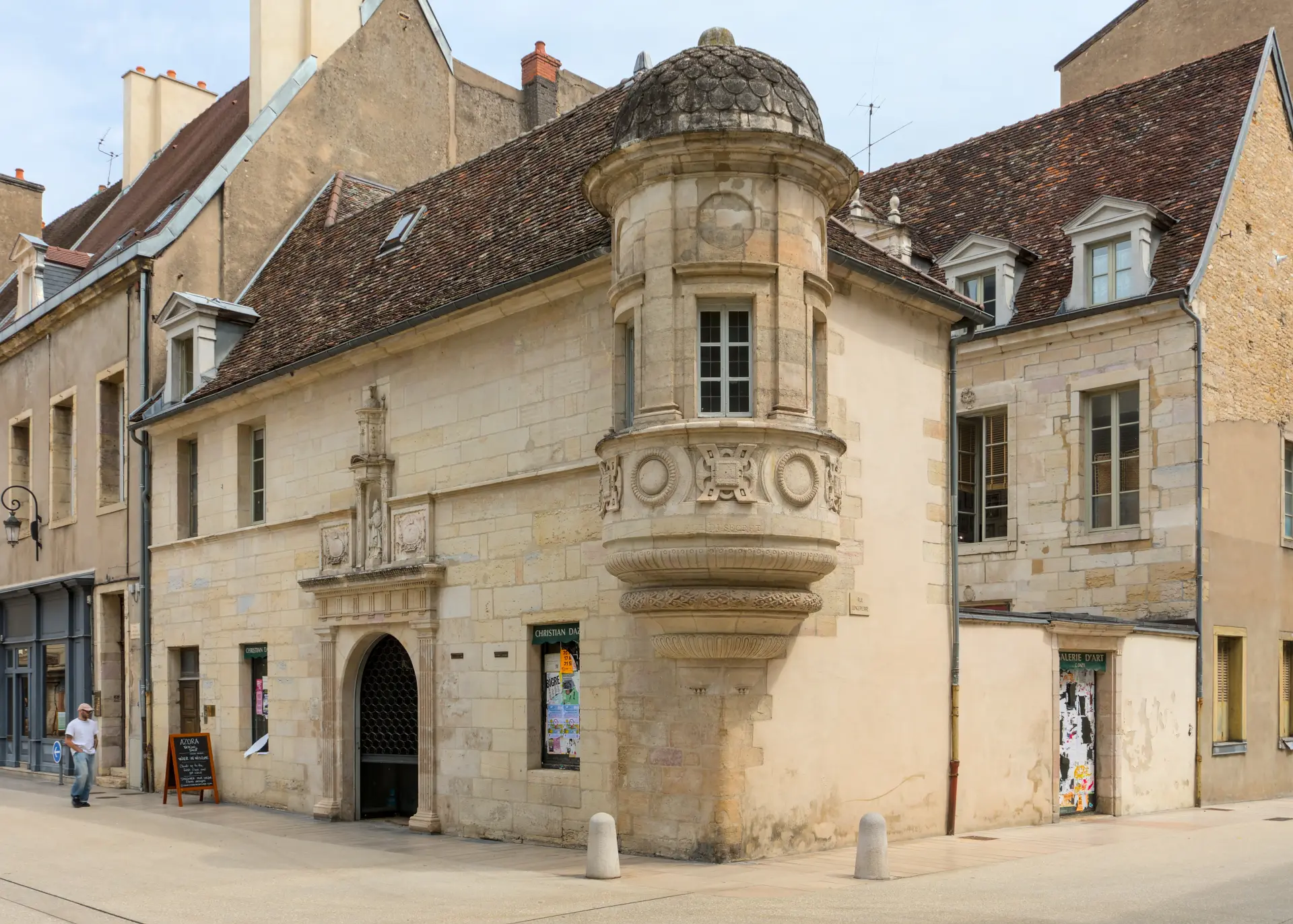
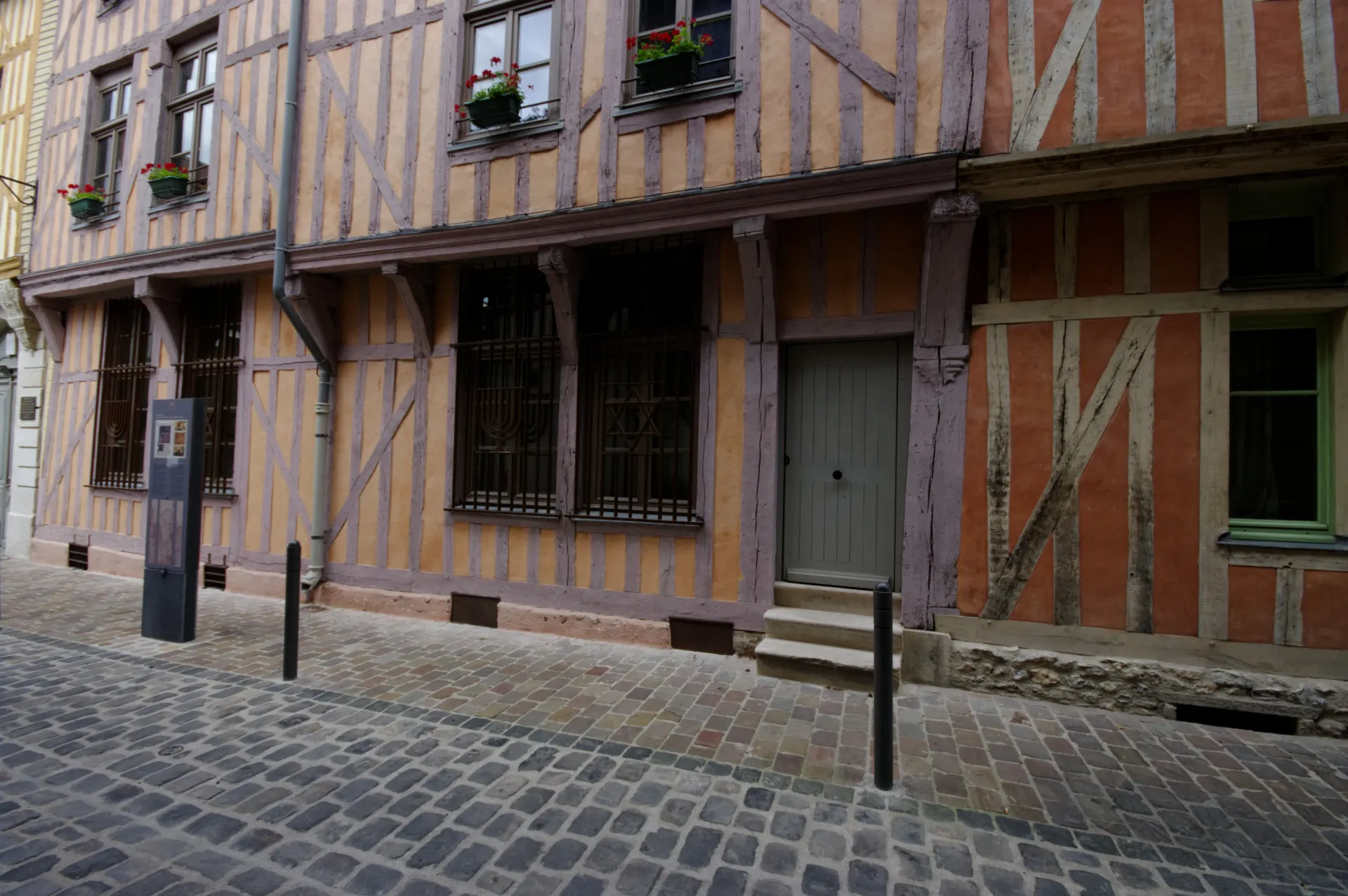
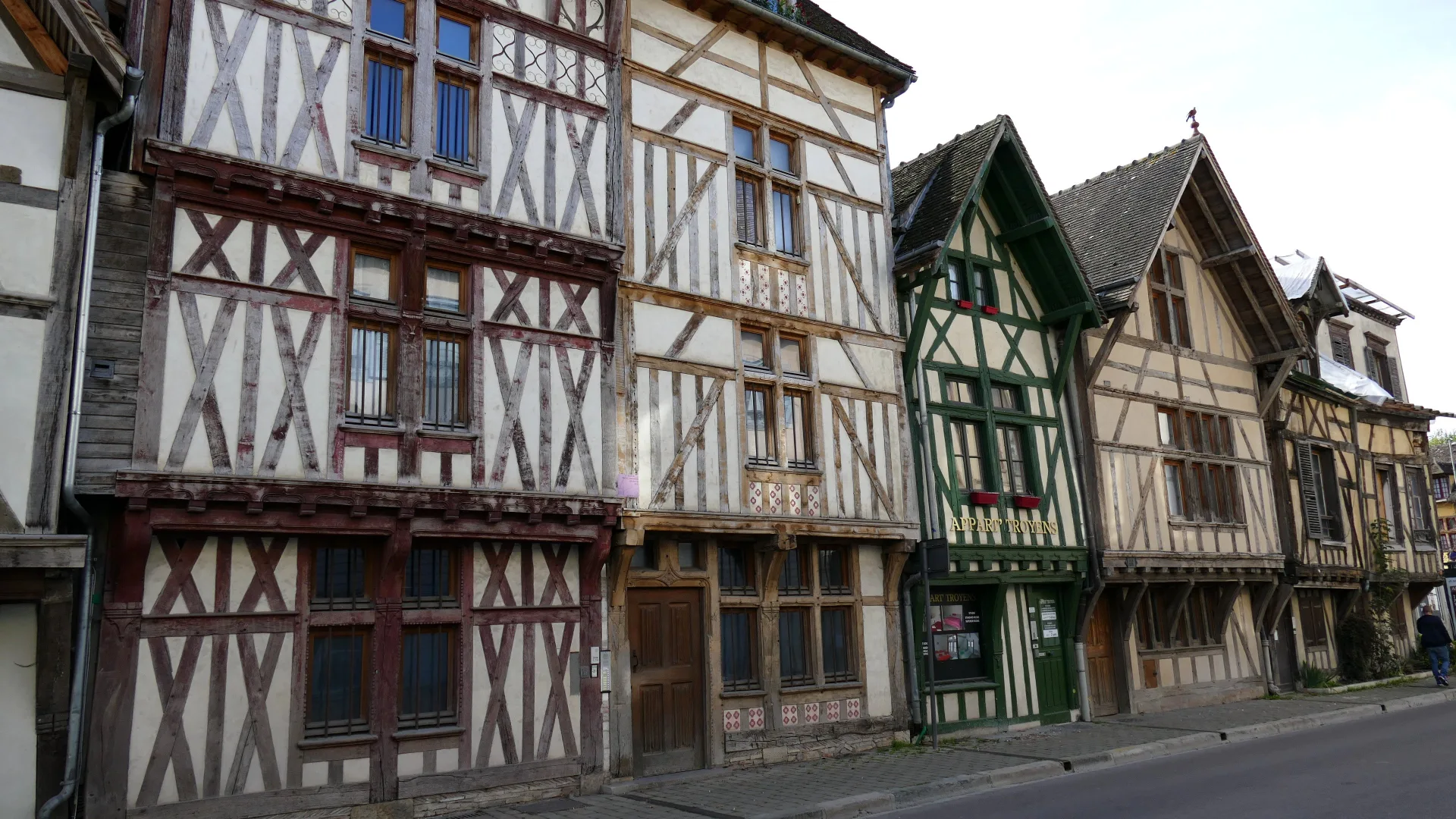
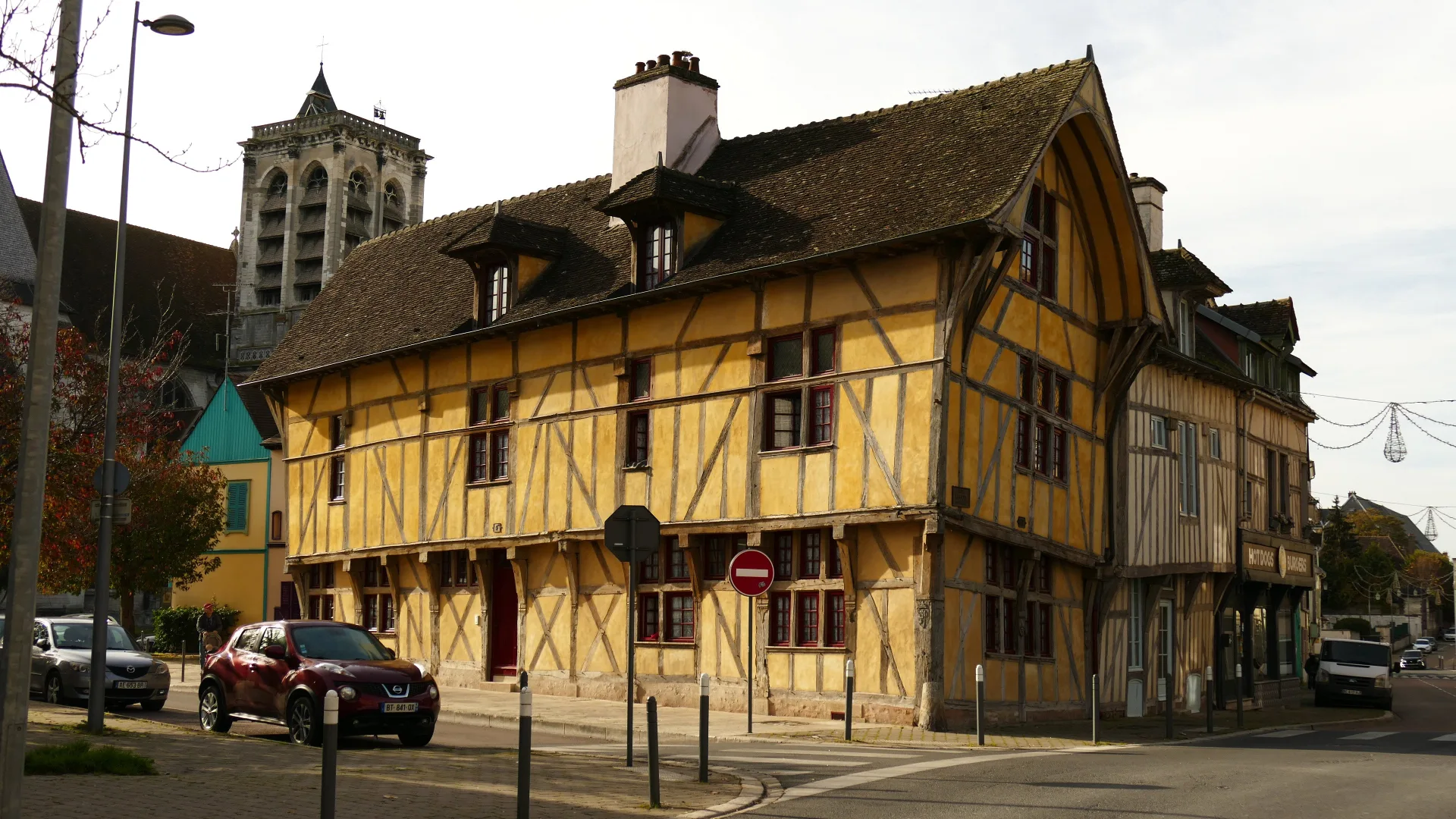
After our gastronomic adventures, Dijon will reveal its architectural treasures. We'll stroll through the historic center, where every half-timbered house and every square tells its own story. From the Ducal Palace to elegant churches – Dijon impresses with its elegance. Then our path leads north, to Troyes, the jewel of Champagne. This city boasts its 16th–17th century half-timbered houses, forming a unique historic center shaped like a champagne cork. A walk through its winding streets is like a journey through time.
On this journey, you won't just see landmarks, but also discover many fascinating things:
This won't just be a trip, but a true immersion into the soul of France, where history is felt on the tip of your tongue, and the beauty of the landscapes takes your breath away. Returning to Paris, you'll bring back not only photographs, but a whole palette of tastes, aromas, and unforgettable stories that can be retold again and again. Join us to discover Burgundy and Champagne from a completely different perspective!
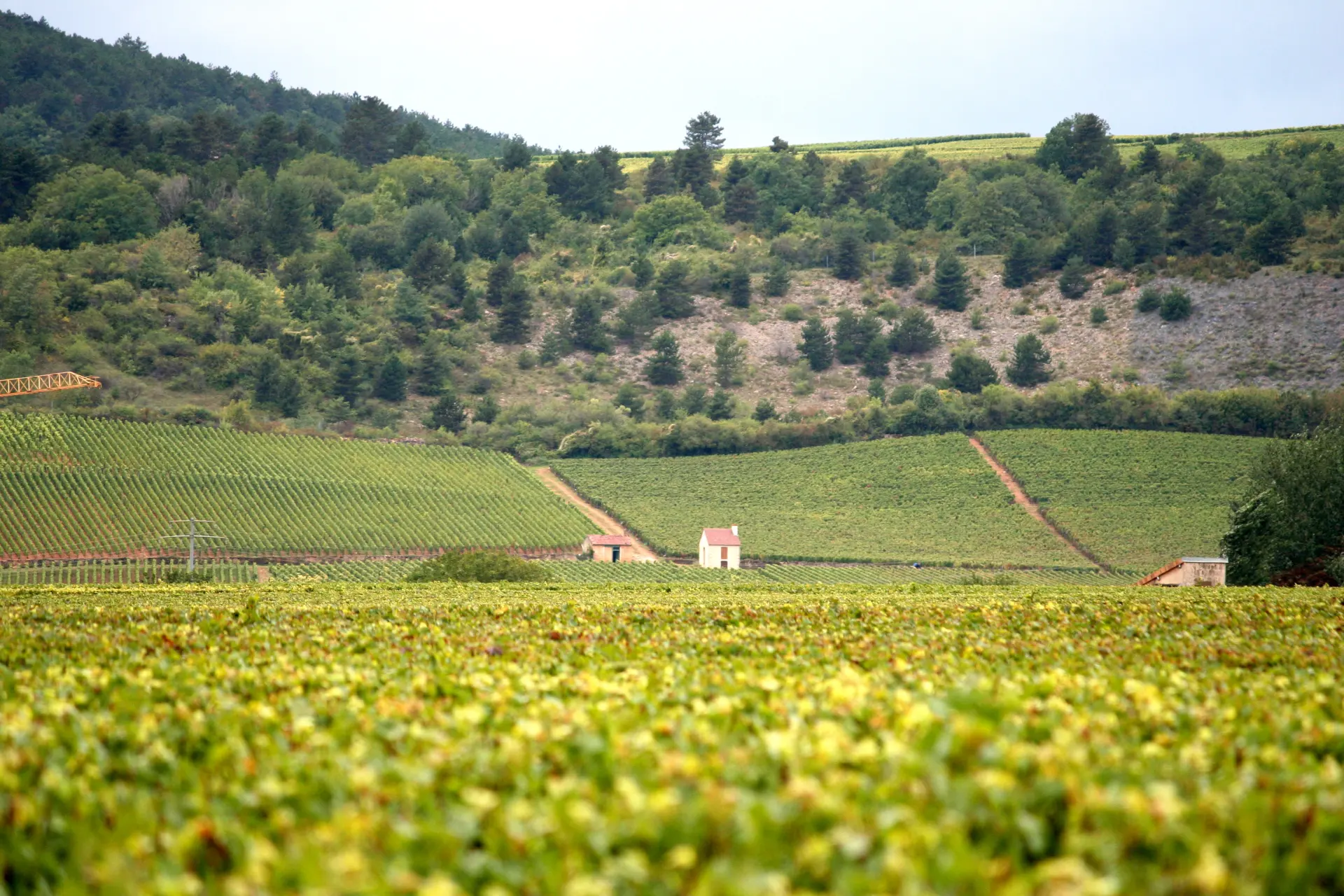
Local history tells that Chablis soil holds the secrets of an ancient sea that covered these lands 150 million years ago. It's the tiny oyster shells, fossilized in Kimmeridgian marl, that impart to the local wine that unique minerality, which connoisseurs call 'flinty taste' or 'sea breeze'. Here, amidst green hills, the famous white wine is born, its character shaped not only by the Chardonnay grape but by the very geology of the region.
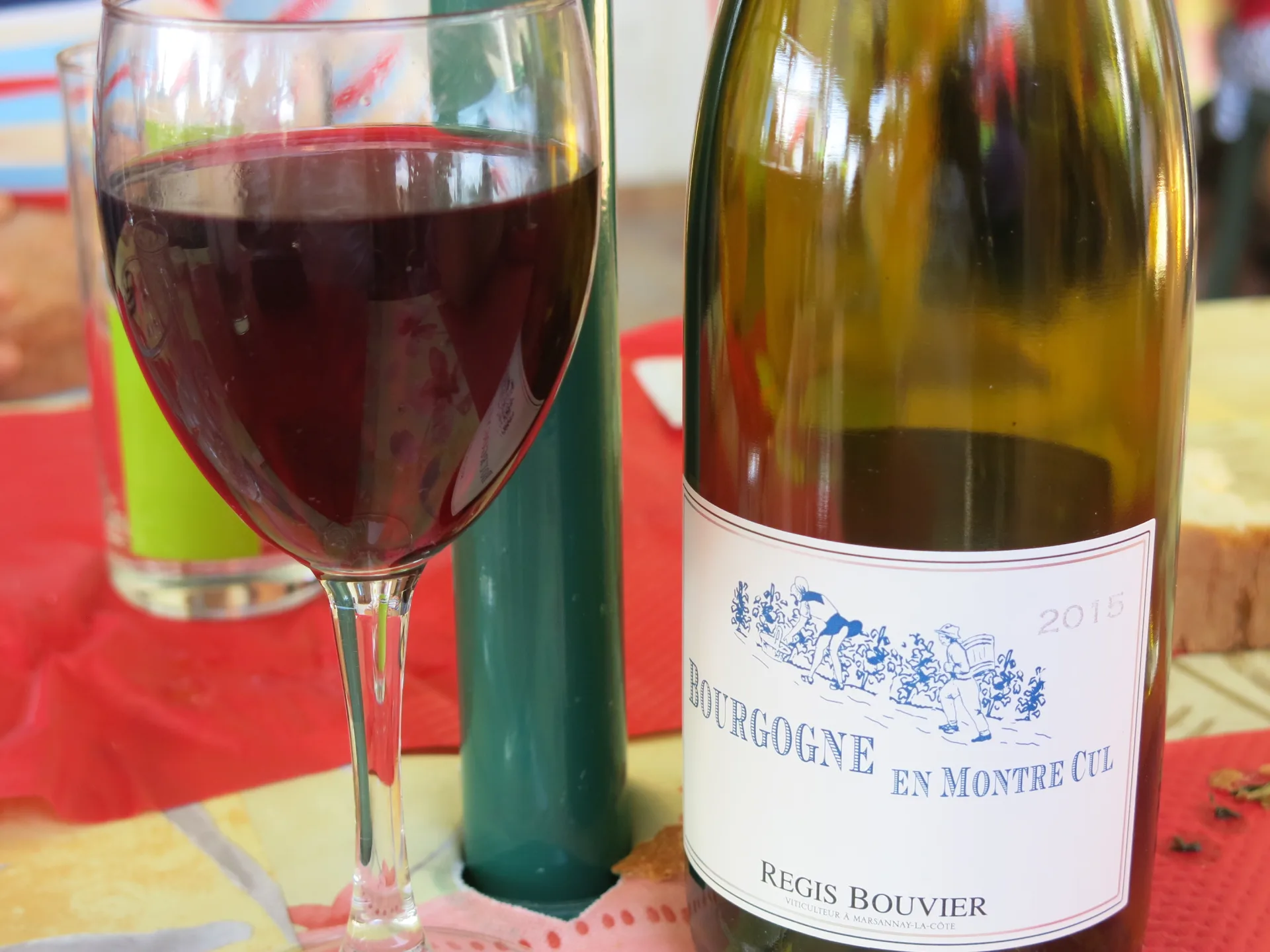
Behind every Burgundian wine lies not just a winery, but an entire family history, rooted in centuries past. Here, on these lands, vineyards are divided into unique plots, known as 'climats', each with its own name and character. It's said that these minute differences in soil and exposure, carefully passed down through generations, make every Burgundy wine truly unique. Experience an art where each bottle is the result of labor and age-old traditions.
Perched atop a hill, like a guardian of centuries, stands Vézelay – a village where every stone breathes history. Home to the famous Basilica of Saint Mary Magdalene, a UNESCO World Heritage site, it served as a starting point for Crusades in the Middle Ages. Local legend claims the relics of Mary Magdalene are preserved here, drawing pilgrims worldwide. Stroll its narrow streets and feel the spirit of millennia that lingers in the air of this astonishing place.
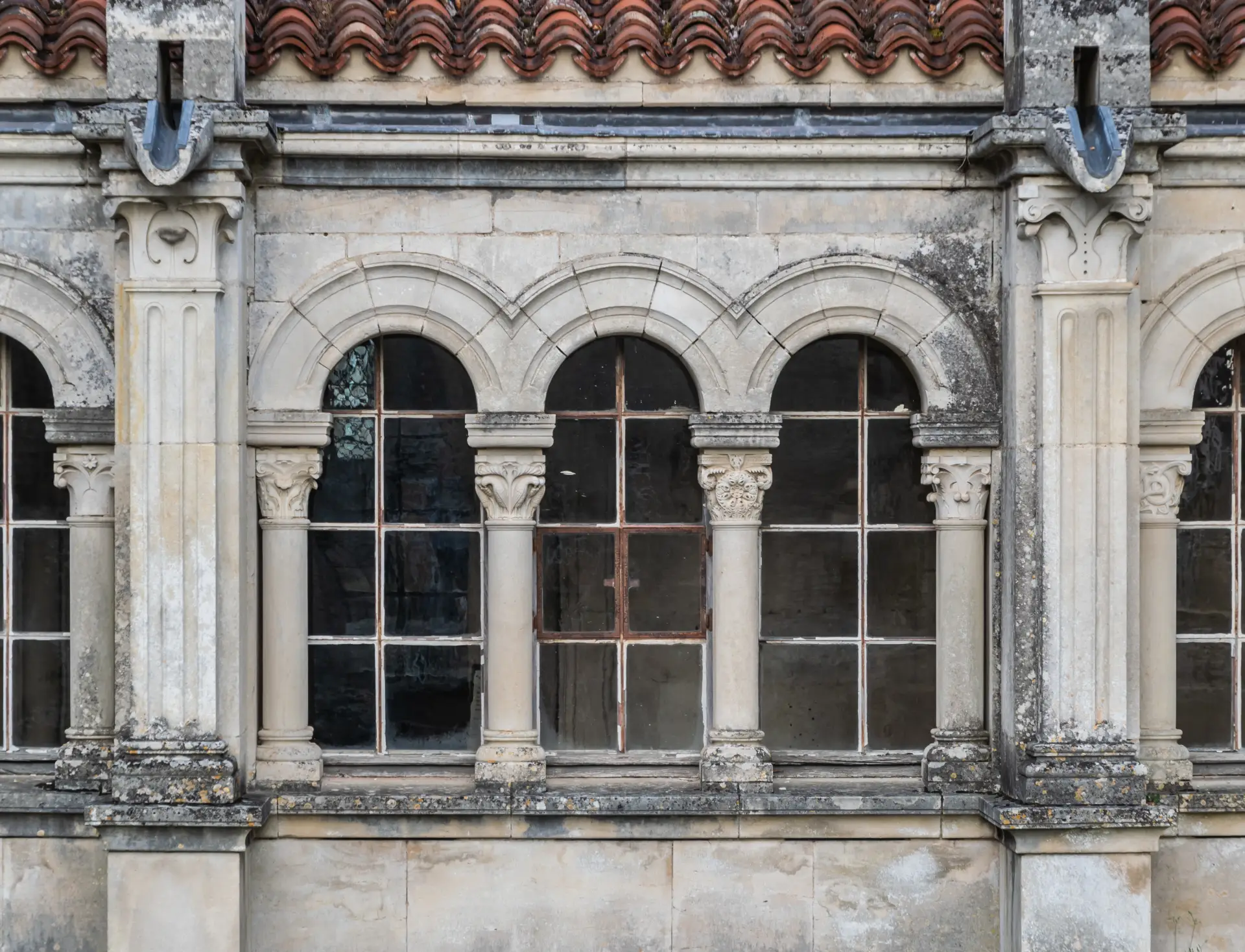
Vézelay, home to the Basilica of Saint Mary Magdalene, holds a tale of a peculiar relic. It's said that the remains of Mary Magdalene rest here, though debates about their authenticity have persisted for centuries. This pilgrimage site, a masterpiece of Romanesque architecture, features columns and capitals that narrate biblical stories. At midday, shafts of light create a mystical effect, illuminating the pilgrims' path.
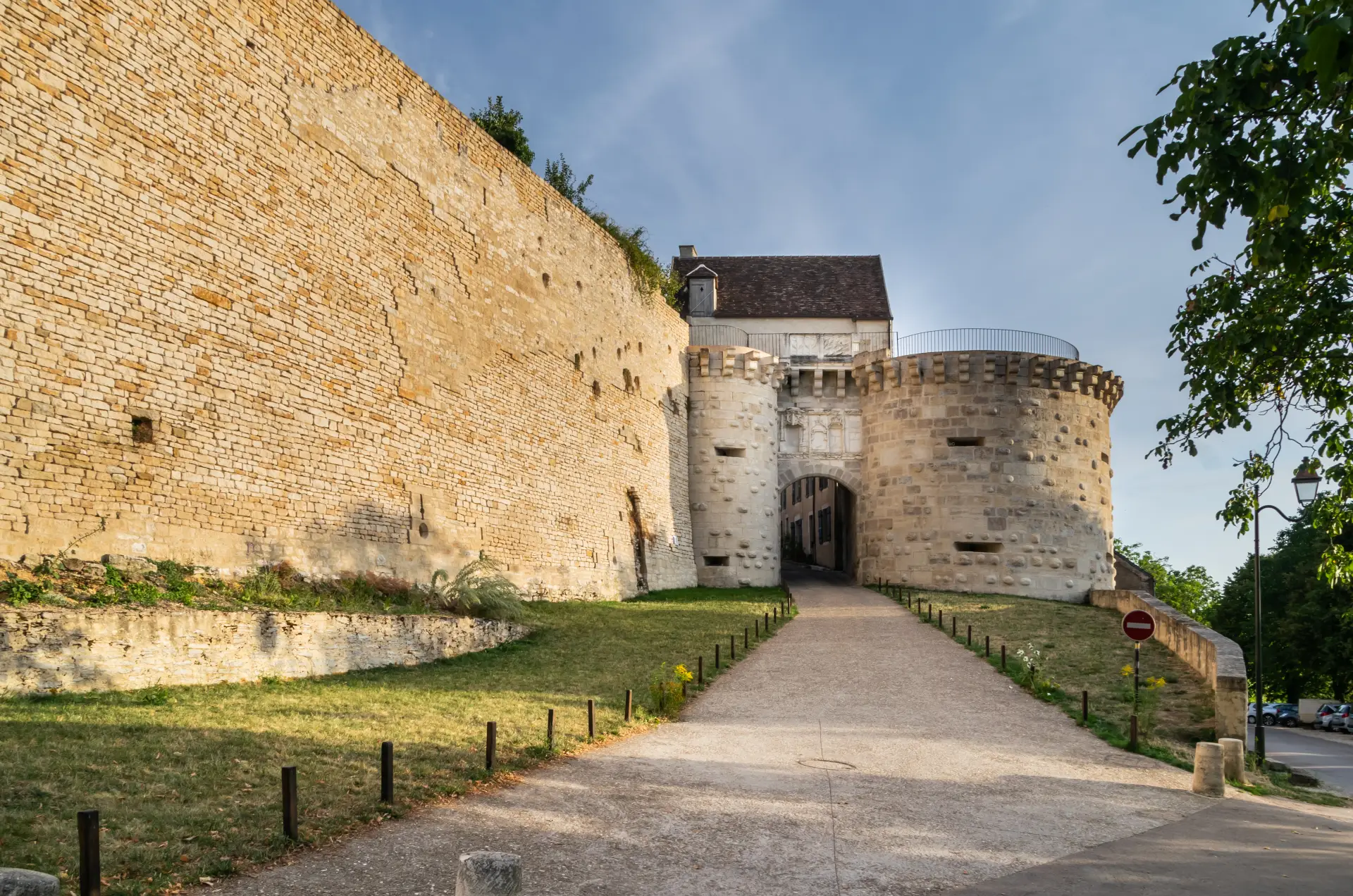
The city of Beaune, the heart of Burgundy, is not merely a capital of great wines but also a witness to centuries. Here, behind ancient walls, the fates of dukes were decided, intrigues were woven, and legends were born. A stroll through its cobbled streets is an immersion into a medieval atmosphere, where every stone remembers tales of knights and merchants. Locals will share how winemaking shaped this region.
Before you stands the Hôtel-Dieu, or Hospices de Beaune – an architectural masterpiece that bears no resemblance to a hospital. Its vibrant tiled roof, seemingly woven from colorful patterns, conceals a remarkable history of charity that began in the 15th century. Here, the poor were treated, and funds for this were raised, in part, from vineyards owned by the hospital.
Within ancient Burgundy cellars, where stone preserves the coolness of centuries, we'll touch the true heart of the region. Here, every glass of Pinot Noir or Chardonnay tells its own story of the land, the sun, and the winemaker's hands. It's said that Burgundian monks were the first to meticulously study the terroir, and their legacy lives on in every bottle. We'll discover why these wines are so prized and what sets them apart.
Let's step into a world where mustard is not just a condiment, but an art form. La Moutarderie Fallot, Burgundy's last independent factory, still uses stone mills, preserving centuries-old traditions. Local legend has it that the unique taste of their Dijon mustard depends on special water and carefully selected seeds. We'll witness the entire production process and, of course, sample various varieties.
Dijon – a city where the history of the Dukes of Burgundy intertwines with gastronomic delights. Its ancient streets hold many secrets: from elegant mansions to the unique Burgundian tiles on the roofs, gleaming under the sun. Local legend claims that it was here, in the shadow of the magnificent Palace, that many culinary masterpieces originated. We will experience its unparalleled atmosphere.
In medieval Troyes, the capital of Champagne, time seems to have stood still. Narrow streets wind among half-timbered houses, painted in all shades of ochre and terracotta, while the Cathedral of Saints Peter and Paul, built over 400 years, rises above the city. Local history suggests that the famous Chaource cheese originated here in the 13th century. Stroll through the Renoir quarter, where every alley holds stories of local merchants and artisans, whose homes still stand like sets from an old fairy tale.