

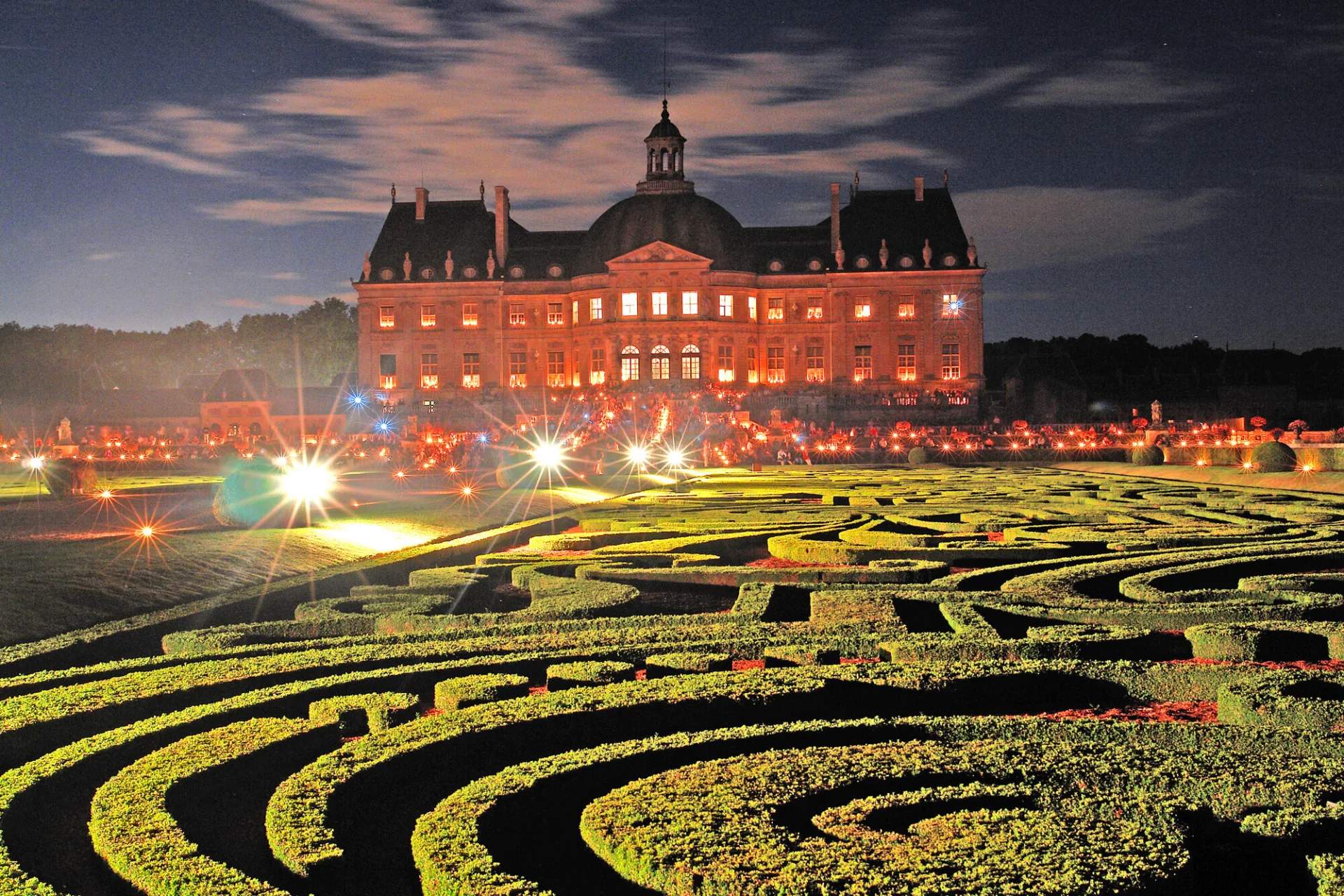
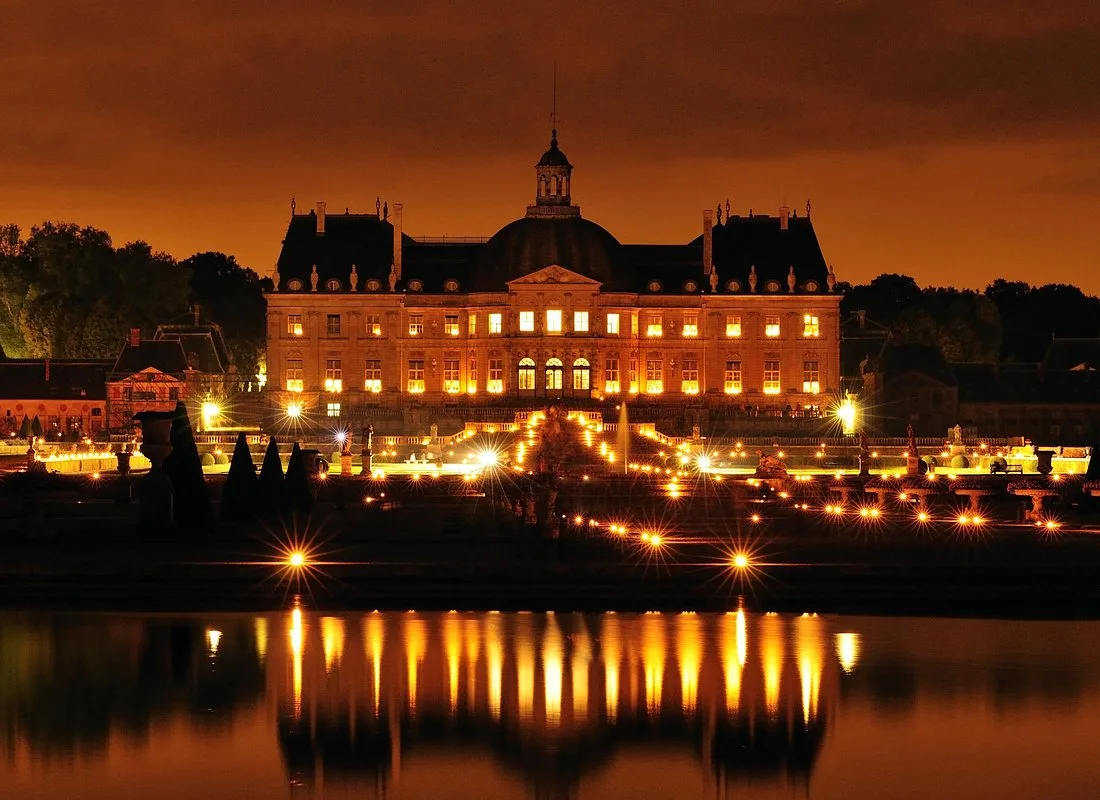
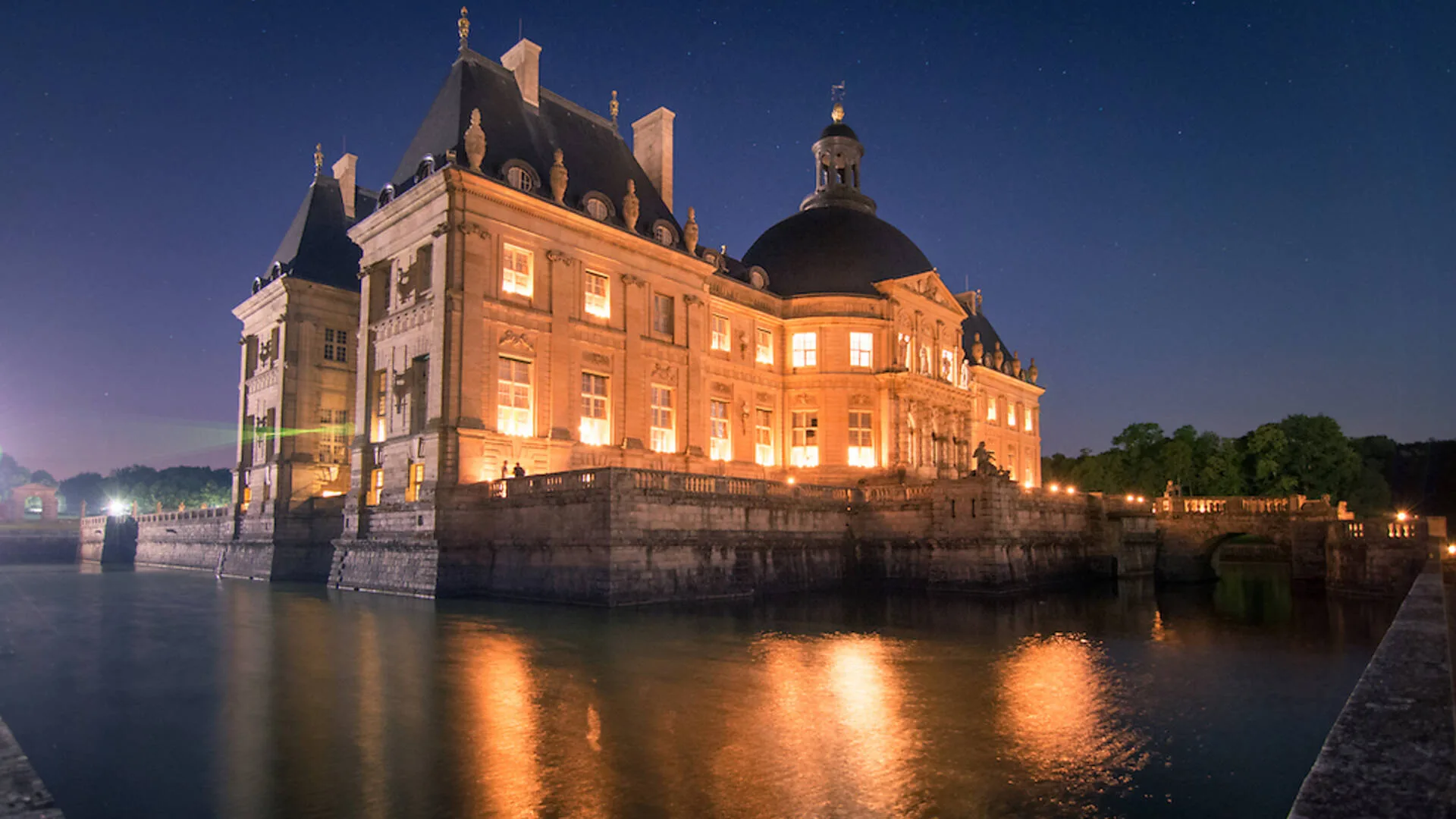
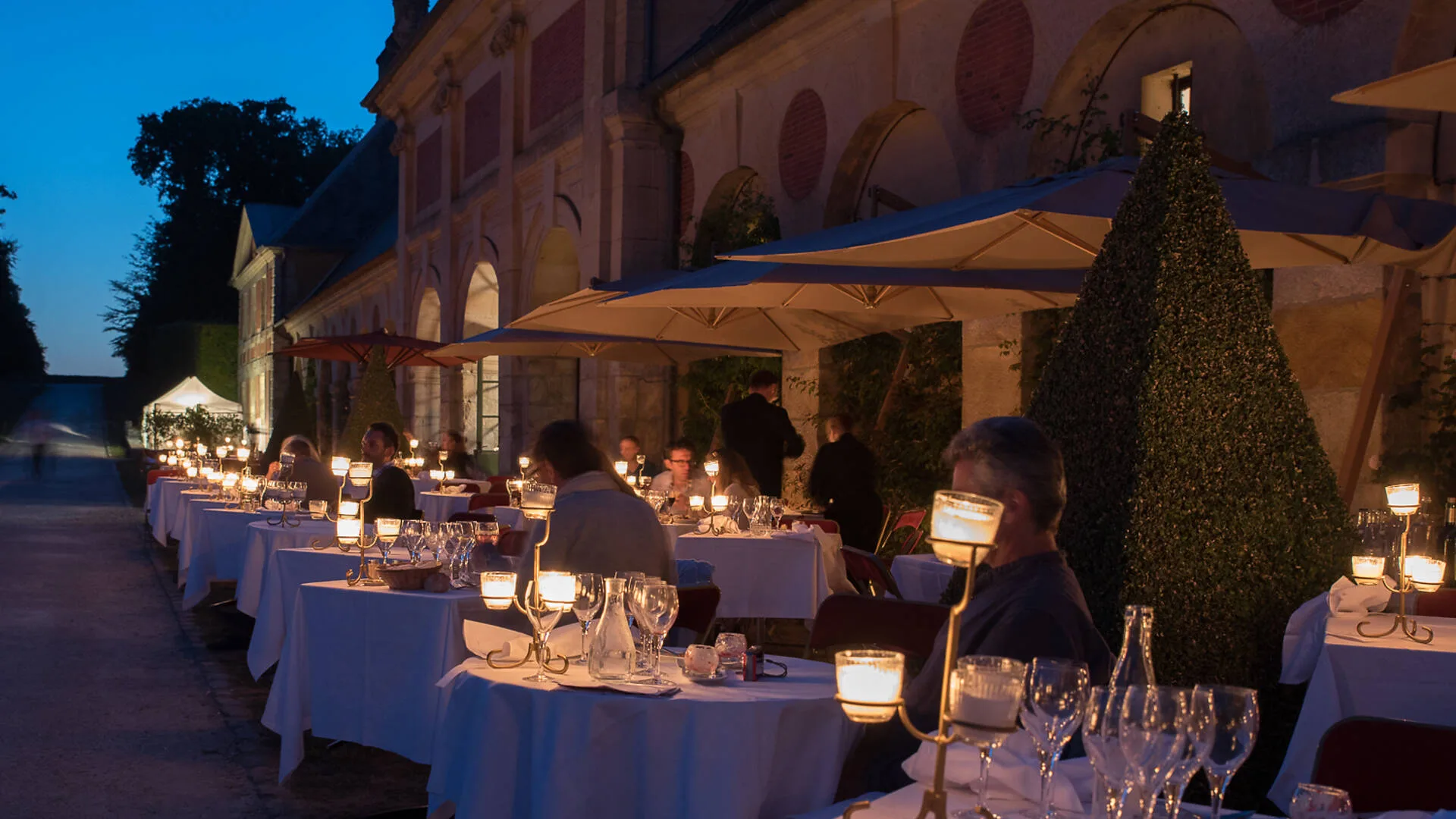
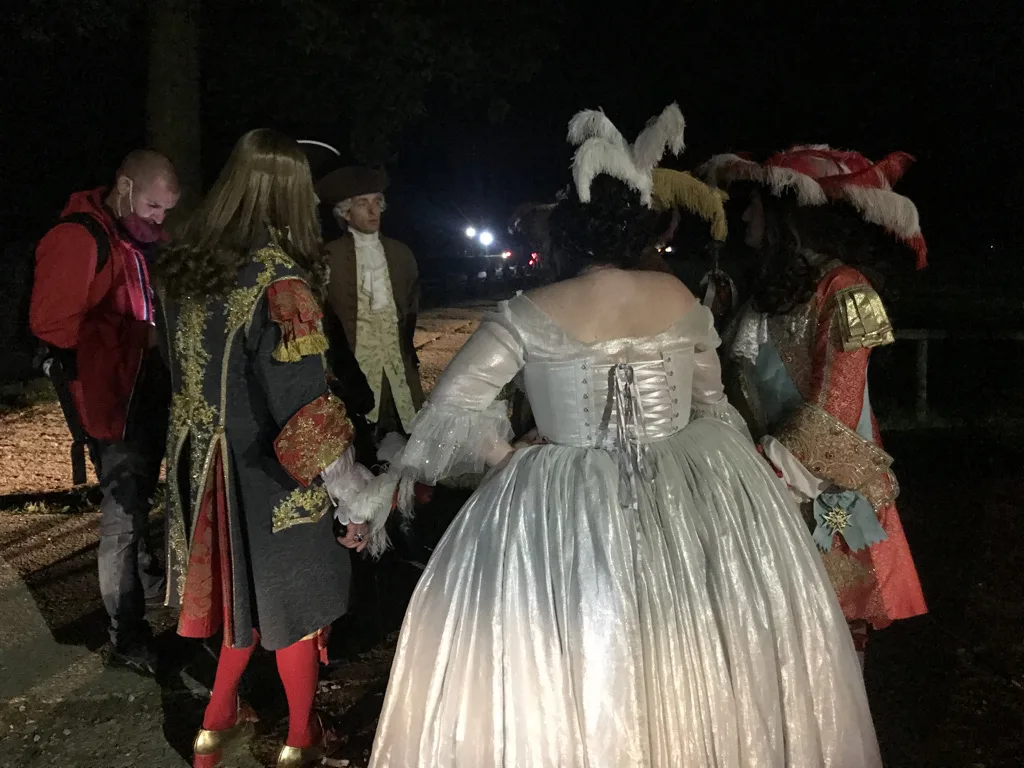
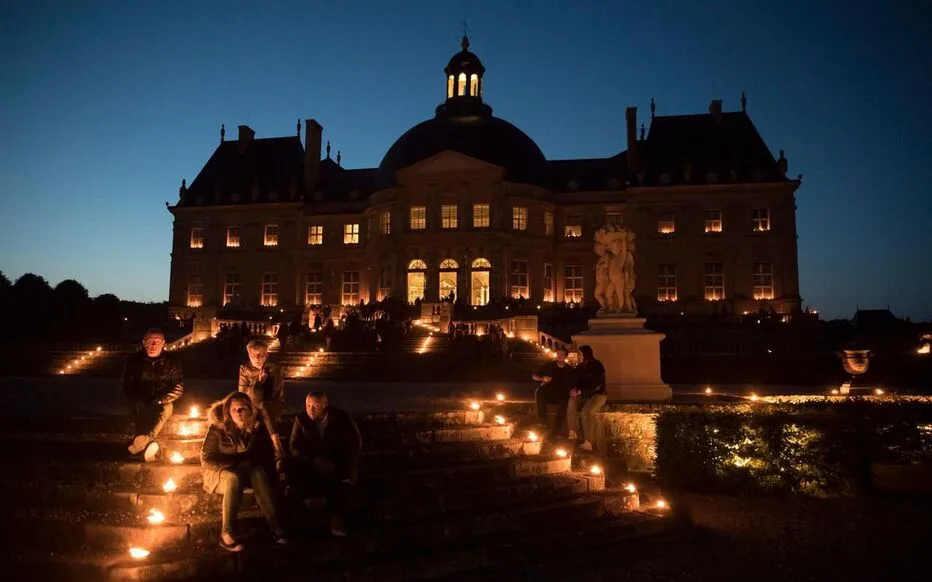
Imagine: twilight descends upon a majestic château, and hundreds of flickering candles are lit to illuminate its halls and gardens. This isn't just a tour; it's an immersion into a living fairy tale, where every flame whispers stories of unheard-of luxury, audacious ambition, and a swift downfall. Have you ever wondered what price one might pay for beauty that surpasses even royal splendor? Château de Vaux-le-Vicomte, the creation of three geniuses – architect Louis Le Vau, painter Charles Le Brun, and landscape designer André Le Nôtre – became precisely that price for its owner, Nicolas Fouquet.
We will journey to Yvelines to witness with our own eyes this architectural masterpiece, which served as the inspiration for Versailles itself. But before it became a symbol of French grandeur, it was the personal triumph of Louis XIV's Superintendent of Finance. Few visitors know that it was precisely within these walls that a drama unfolded, changing the fate of one of France's most powerful men and forever etching his name into history. We will walk the same paths as Fouquet, sensing the magnificence of his vision and the premonition of his demise.
Our journey will begin in the main courtyard, where you can grasp the scale of the design. Then, we will delve into the interiors, each room holding its own secrets. You'll discover why Charles Le Brun's frescoes still spark debate among art historians, and how he managed to create the illusion of infinite space. We'll walk through opulent bedrooms, salons, and studies, where state affairs were discussed and intrigues were woven. Ask yourself, why did Fouquet need such wealth, and what was he trying to prove to his young king?
We will pay special attention to the gardens, a masterpiece by André Le Nôtre, who first applied the principles of the French formal style here. You will see perfect symmetry, fountains, reflective ponds, and hidden grottoes. A secret is hidden here: how Le Nôtre created such harmony using a complex system of water channels and optical illusions that still amaze to this day? We will stroll along the avenues where, it is said, Louis XIV himself was struck by a splendor surpassing anything he had seen before.
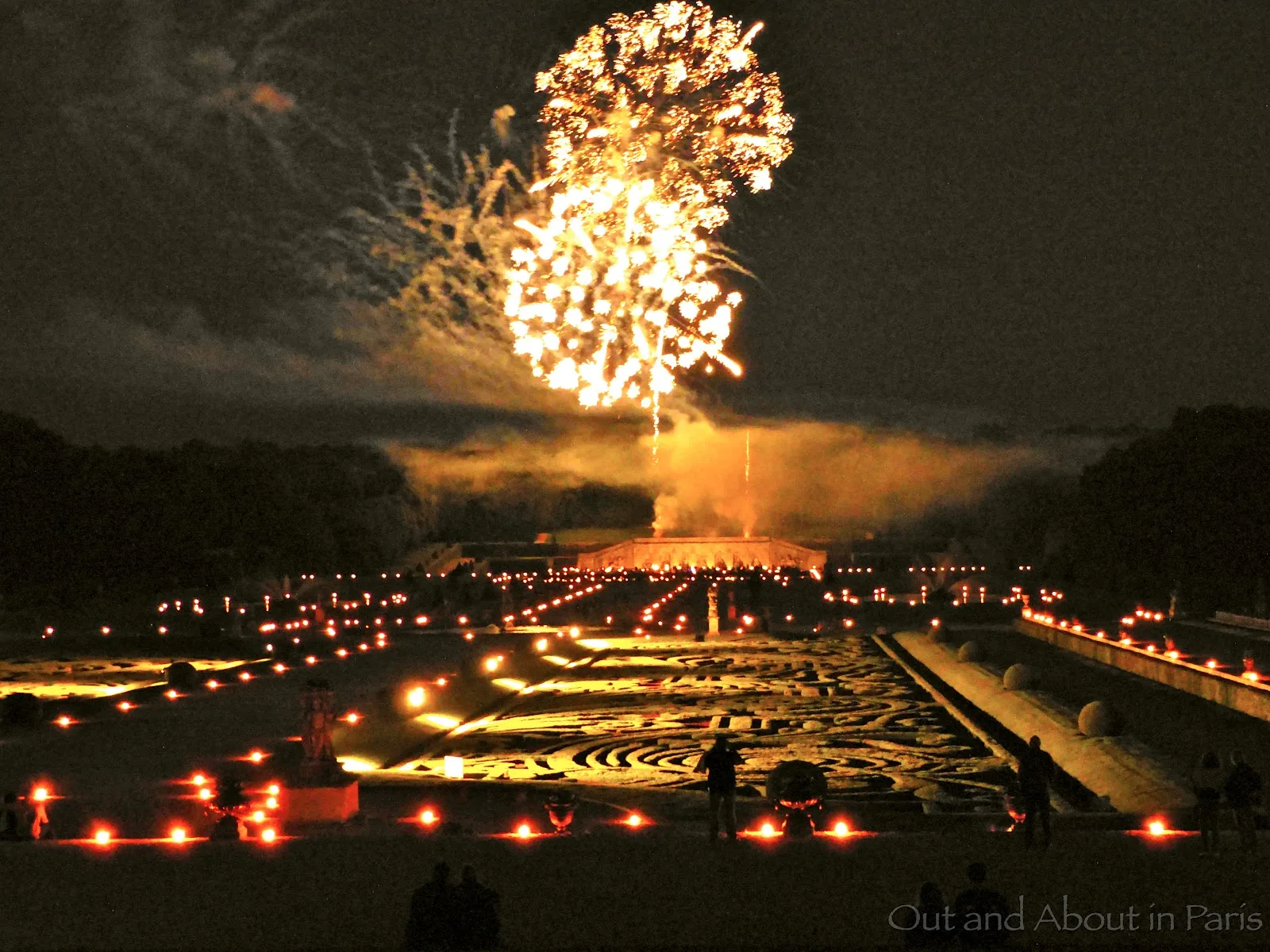
But the culmination of our journey will be the famous fête of August 17, 1661. On that evening, as the entire court gathered at Vaux-le-Vicomte to enjoy Molière's theatrical performances and fireworks, Fouquet's fate was already sealed. Few people know the exact reason for Fouquet's arrest – was it the king's envy, Colbert's intrigues, or did his excessive luxury truly threaten the crown? After this place, you will look differently at the history of the French monarchy and understand how one evening changed not only a man's life but also the course of history.
Join us for an unforgettable evening at Château de Vaux-le-Vicomte by candlelight. Allow yourself to immerse in the 17th-century atmosphere, feel the breath of history, and unravel the mysteries that these walls still hold. This will not just be a tour, but a true journey through time, where every corner of the château will tell you its story, and the flickering candles will add magic and intrigue.
Vaux-le-Vicomte isn't merely a château; it's a daring manifesto of taste and power, forged by Nicolas Fouquet's ambition. His masterpiece, shaped by Le Vau, Le Brun, and Le Nôtre, became Versailles' blueprint, yet also a swift downfall for its owner. Local lore has it that the sheer opulence here ignited the king's furious envy. We'll reveal how such breathtaking beauty became a dangerous weapon of fate, sparking one of the French court's most dramatic stories.
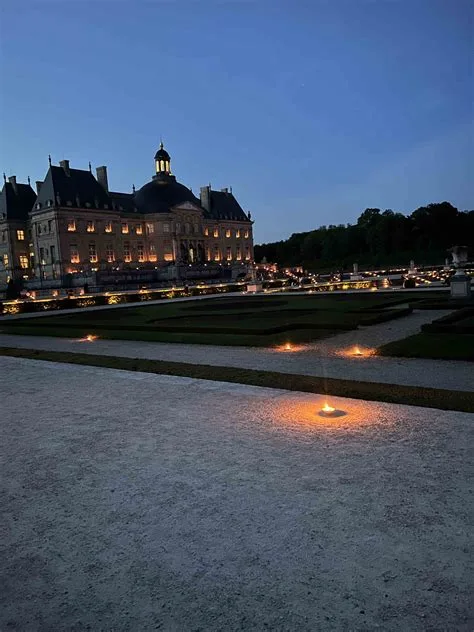
Here it is, the main courtyard of Vaux-le-Vicomte, appearing before us exactly as Nicolas Fouquet's guests saw it. Few visitors notice how skillfully perspective is played with here: the courtyard seems endless, and the château unattainable, though in reality, it's André Le Nôtre's ingenious optical illusion. By candlelight, this interplay of light and shadow becomes even more dramatic.
Outside, Château de Vaux-le-Vicomte is magnificent, but the real magic begins when we step inside. The Grand Vestibule is a threshold into a world designed to astound. Imagine how the light of hundreds of candles plays on the marble floors and walls, casting intricate shadows and highlighting every detail. Here, from your very first steps, you will feel the breath of past luxury and the ambitions of Nicolas Fouquet.
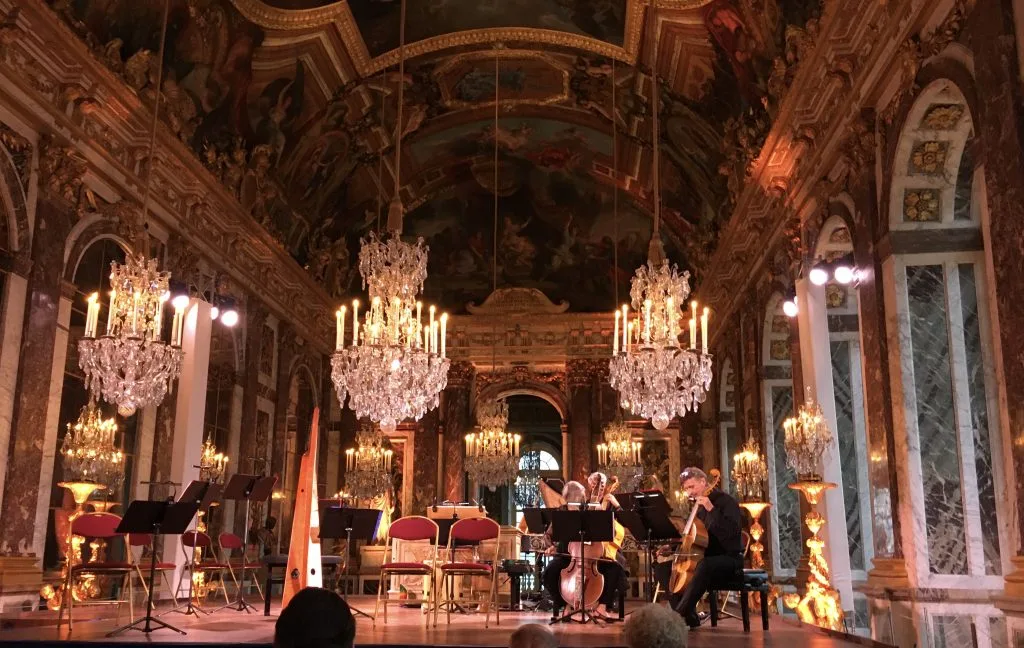
Stepping into the Oval Salon, its unusual form, defying conventional geometry, immediately strikes you. This is the château's true heart, designed by Le Vau, where candlelight, local lore has it, danced on the walls, mirroring the glitter of courtiers at Fouquet’s legendary balls. It was here, beneath Le Brun’s magnificent painted dome, that the most lavish receptions unfolded, becoming a fateful prelude to his swift downfall. Feel how these very walls still hold not just the echo of music, but also the palpable whisper of envy.
The nine Muses, inspiring Le Brun’s frescoes in this salon, were far more than mere decoration for Nicolas Fouquet. Amidst these ancient goddesses, he sought wisdom and patronage for his grandest schemes. Local lore has it that here, surrounded by whispers of inspiration and a premonition of great achievements, Fouquet hatched plans that propelled him to power and his fateful encounter with Louis XIV. What secrets do these silent walls still guard, having witnessed his dramatic ascent and swift, crushing fall?
The Grand Drawing Room’s very air still whispers of silk rustling and glasses clinking, recalling Fouquet’s illustrious guests. Here, beneath Le Brun’s Sun frescoes, the most lavish receptions unfolded. They say Louis XIV, witnessing this splendor, couldn't hide his envy; his fateful decision about the superintendent solidified within these walls. What silent secret does this grand hall guard, a witness to the beginning of the end?
Behind these walls, Nicolas Fouquet’s true self emerges, his personal taste unburdened by court etiquette. These aren't just rooms; they’re a portrait of a man who dared to outshine the king. Here, he entertained, plotted, and, local lore has it, even concealed secrets. Every velvet drape, every gilded detail, whispers of his soaring ambitions and the shadow of impending drama. We’ll uncover how he truly lived before that fateful feast changed everything.
Beyond the dazzling reception rooms, Nicolas Fouquet carved out a private sanctuary: his study and library. Here, amidst thousands of leather-bound volumes, he didn't just conduct business; he indulged a profound passion for knowledge and art. Local lore has it that within these very walls, surrounded by his cherished books, Fouquet made choices that could sway France's destiny. What secrets did these silent witnesses hold in his final days of freedom, before the fateful knock at the door?
When the sun dips below the horizon, the gardens of Vaux-le-Vicomte transform. We invite you on an incredible stroll through André Le Nôtre's illuminated French gardens, where every bush, statue, and fountain comes alive in the soft glow of hundreds of candles. This is not just a walk; it's an immersion into the magic created by the genius landscape architect and Nicolas Fouquet's ambitions.
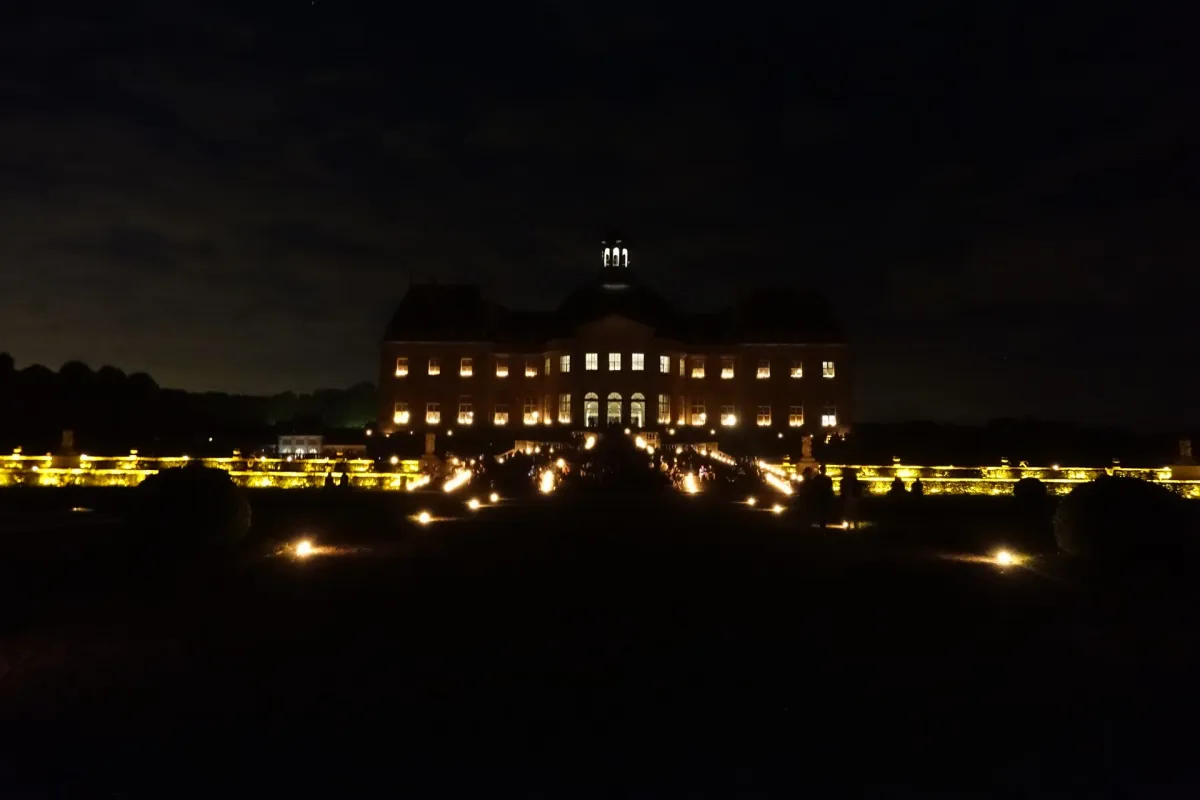
Imagine: twilight deepens, the air fills with the scent of old stone and fresh greenery, and ahead, like a mirage, emerges Vaux-le-Vicomte, illuminated by thousands of candles. When you first see it from the Grand Parterre, you will feel history come alive around you. This is not just a view; it's a portal to the 17th century, to an era of audacious ambitions and incredible luxury that cost one man too dearly.
Imagine: you walk along the avenues, and suddenly, through the rustling of leaves, you hear the melodic murmur of water. These are the cascades and fountains of Vaux-le-Vicomte, which, in the evening candlelight, transform into something utterly magical. Their shimmering glow, reflected in the water's surface, creates the sensation of a living, breathing garden, its pulse.