

Centre-Val de Loire
Imagine standing on the threshold of a magical fairytale, where every corner of an ancient castle holds not just history, but genuine intrigues, secrets, and whispers of long-gone eras. The Loire Valley is not merely a picturesque landscape; it is a living book of French history, where kings and queens, favorites and artists left their mark. We invite you on a journey that will change your perception of palaces and their inhabitants.
Our path will lead through emerald valleys, where the air is imbued with the scent of centuries, where the silhouettes of majestic châteaux appear around almost every bend. We will venture into the heart of the Loire Valley to touch its brightest jewels: the royal Château Amboise, the elegant Chenonceau, which seems to float above the water, and the grandiose Chambord, an embodiment of ambition and genius. You will discover why these places became the cradle of the French Renaissance and what passions simmered behind their impregnable walls.
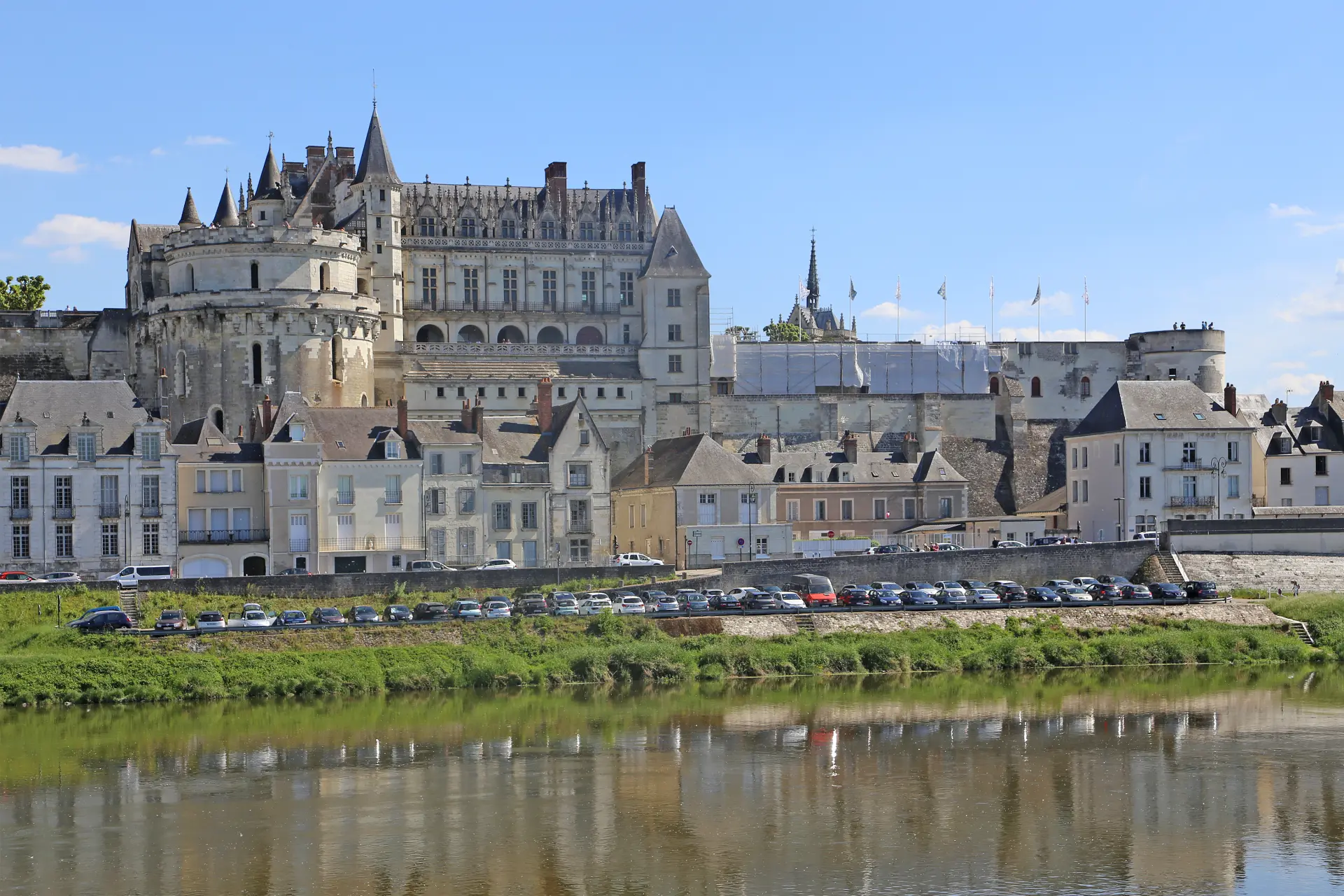
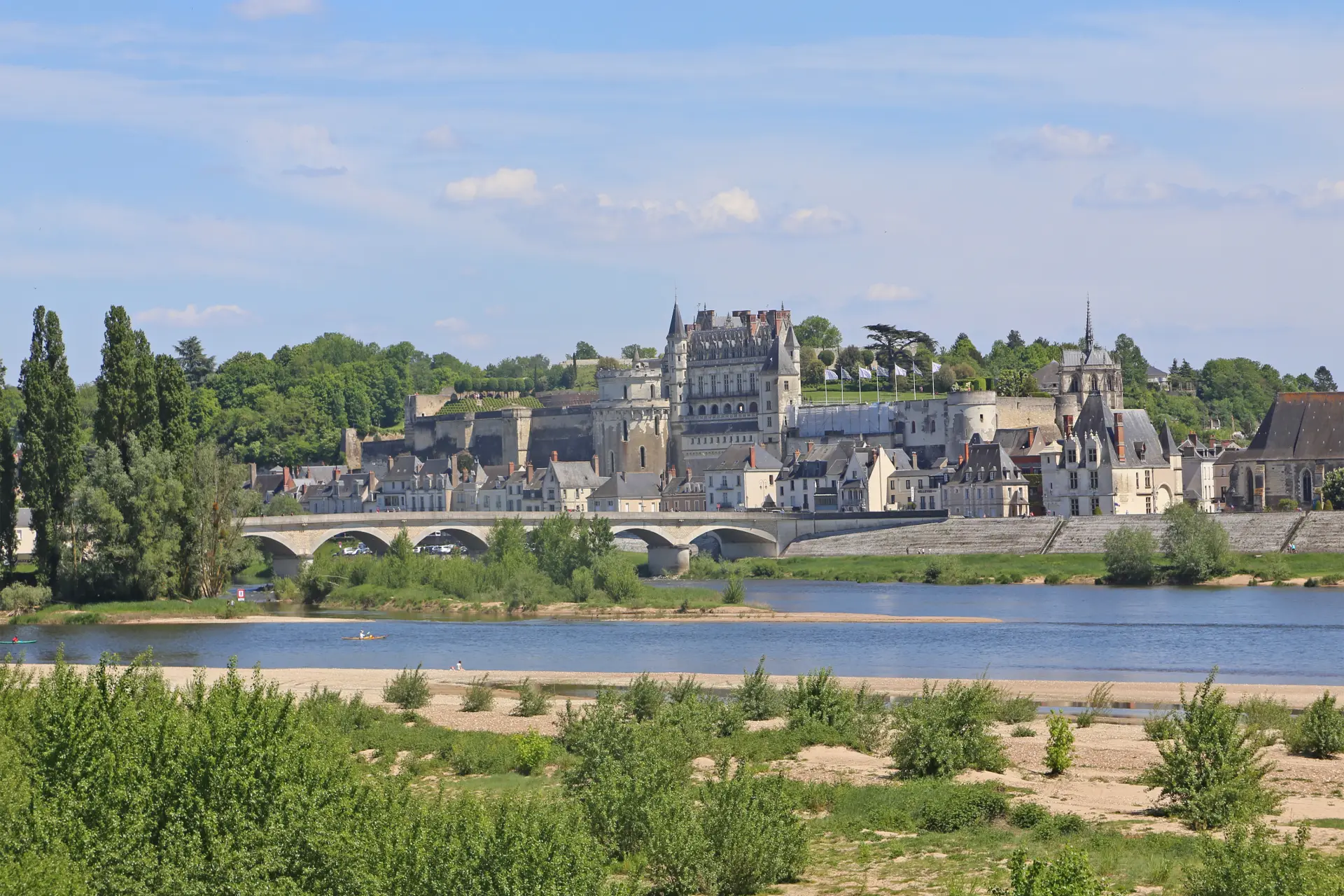
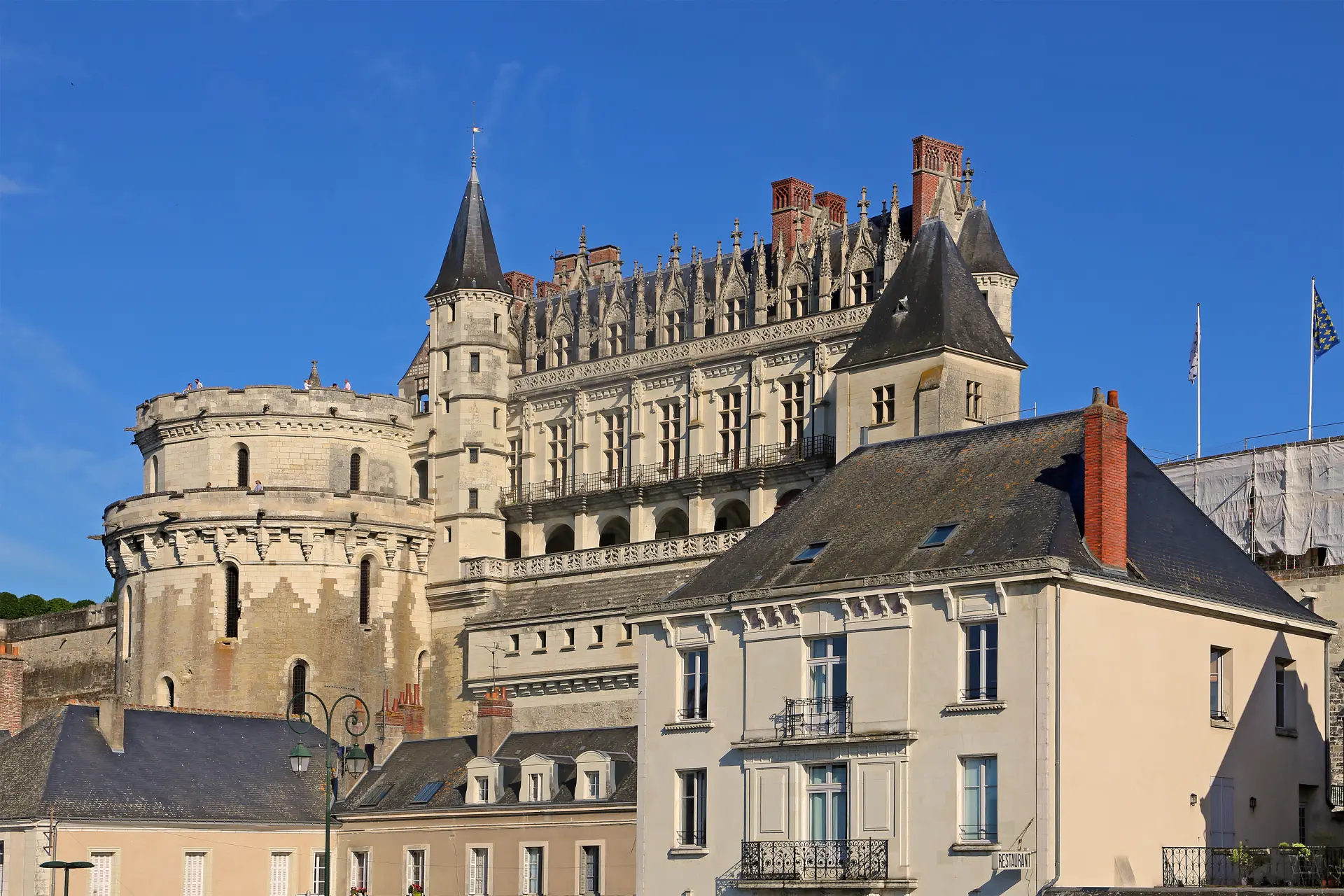
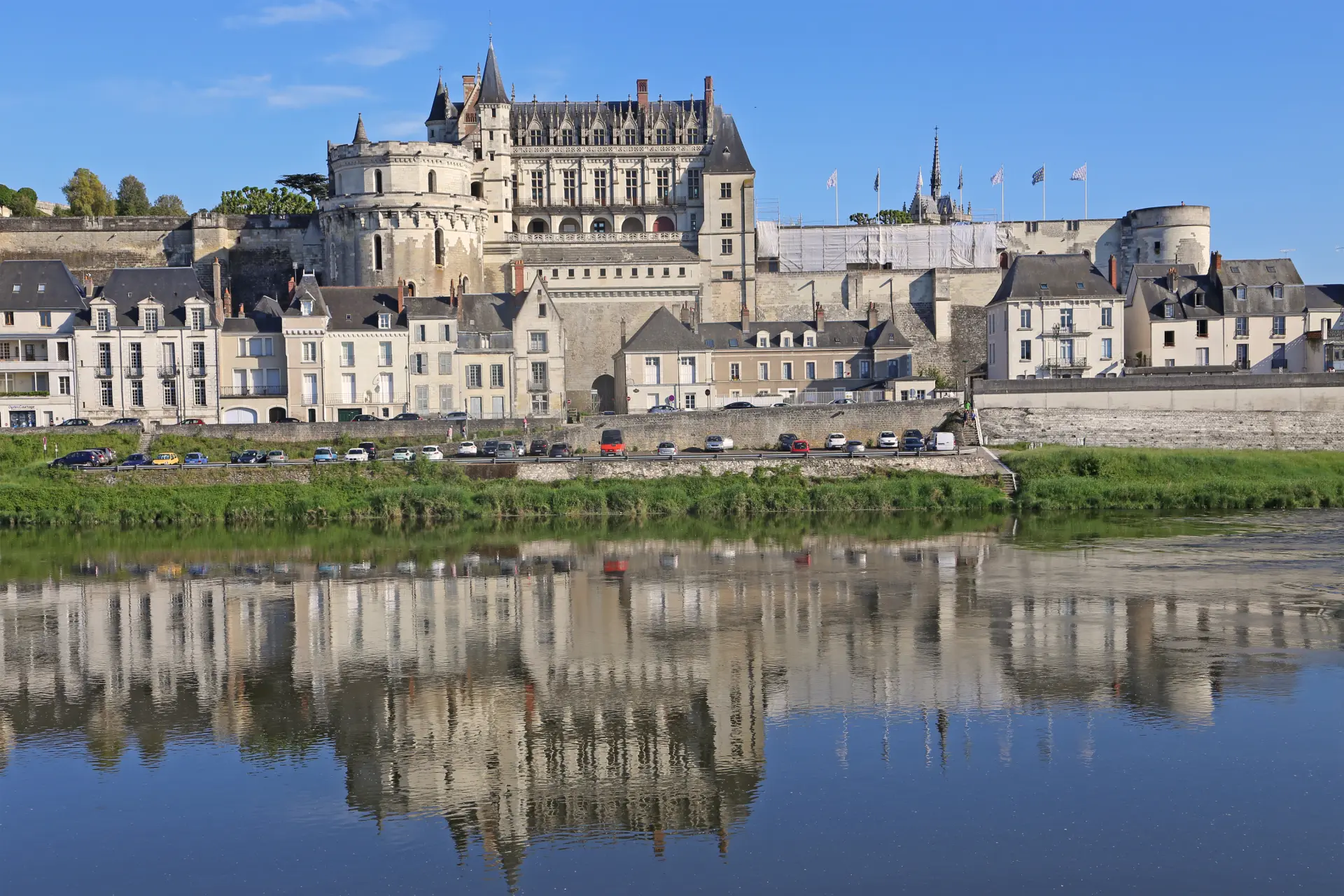
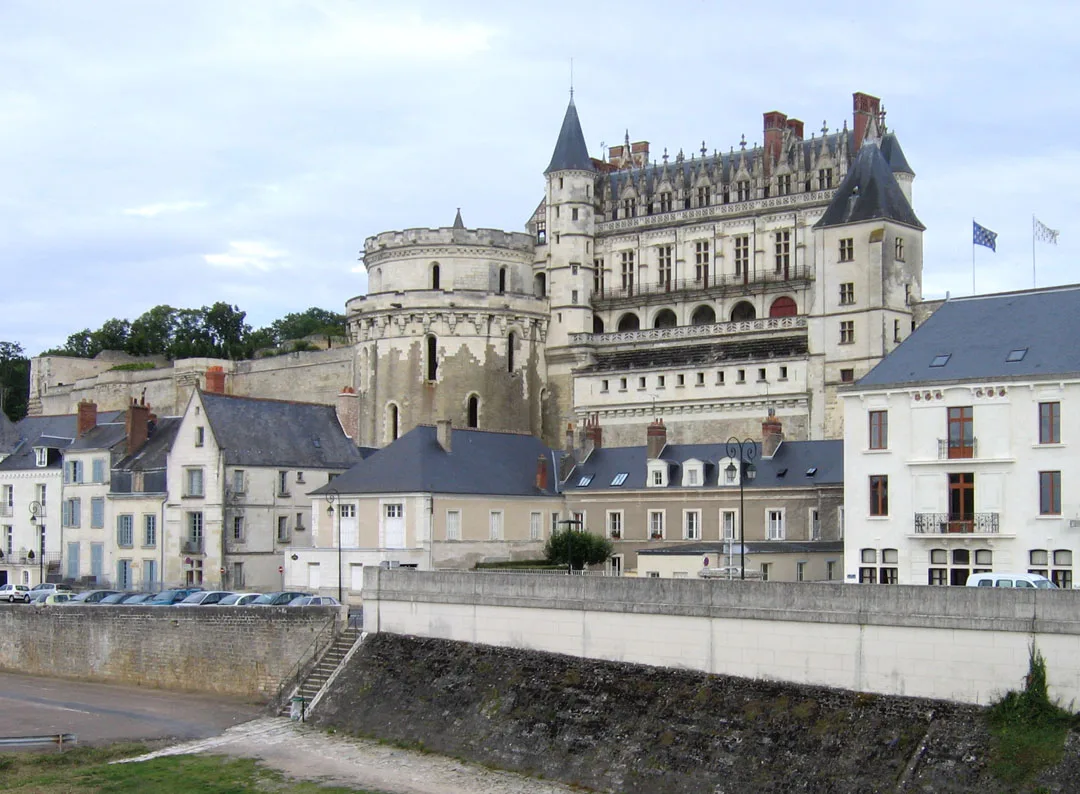
Our first stop is the royal Château Amboise, majestically rising above the Loire River. Here, within these walls, French history was forged; kings lived and died here. We will walk through its halls, imagine the feasts and intrigues, and then visit the small Chapel of Saint-Hubert. Few people know that it is here, beneath the shadow of this chapel, that the remains of the great Leonardo da Vinci rest. You will learn why the genius of the Renaissance spent his final years in France, and what secrets he took with him.
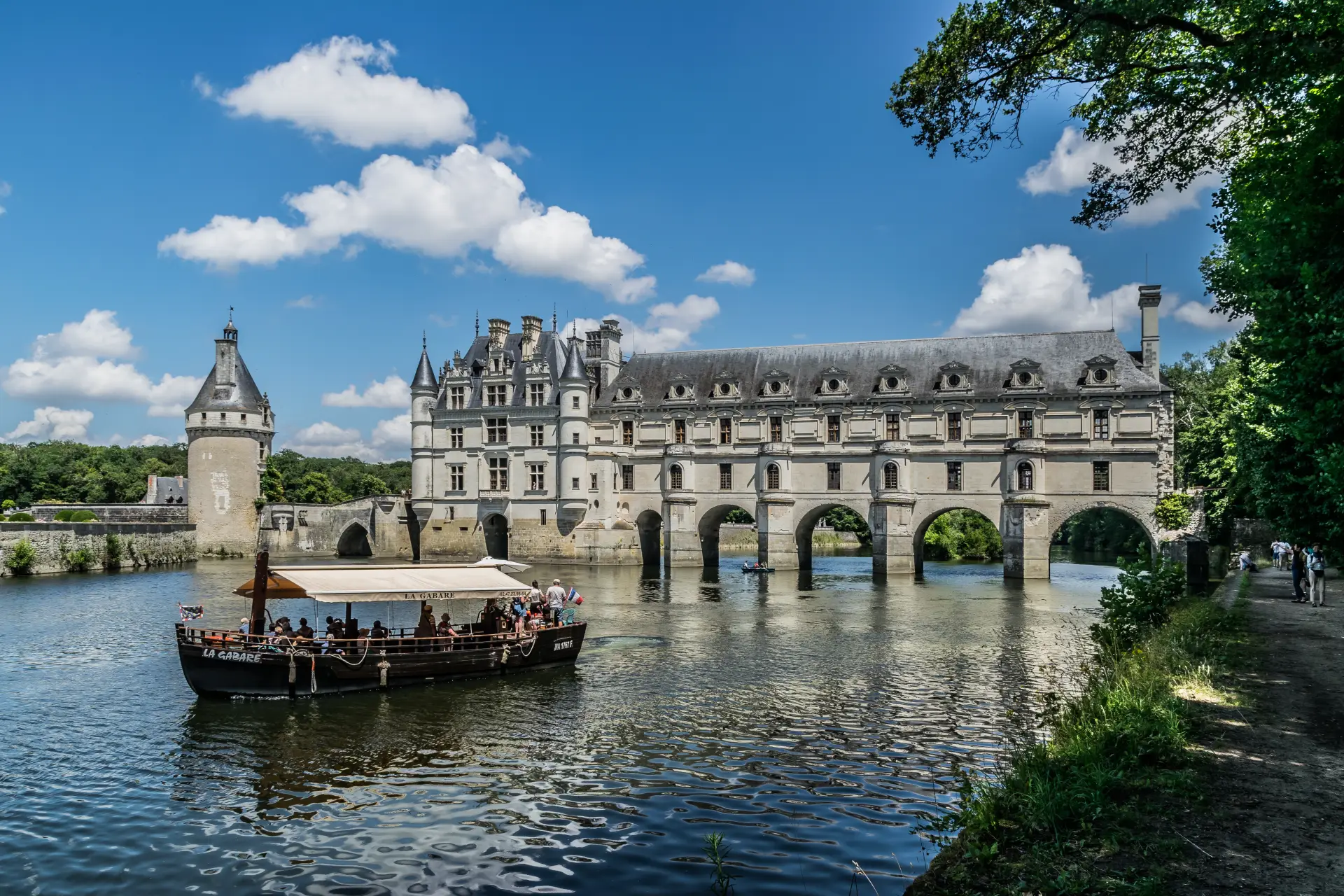
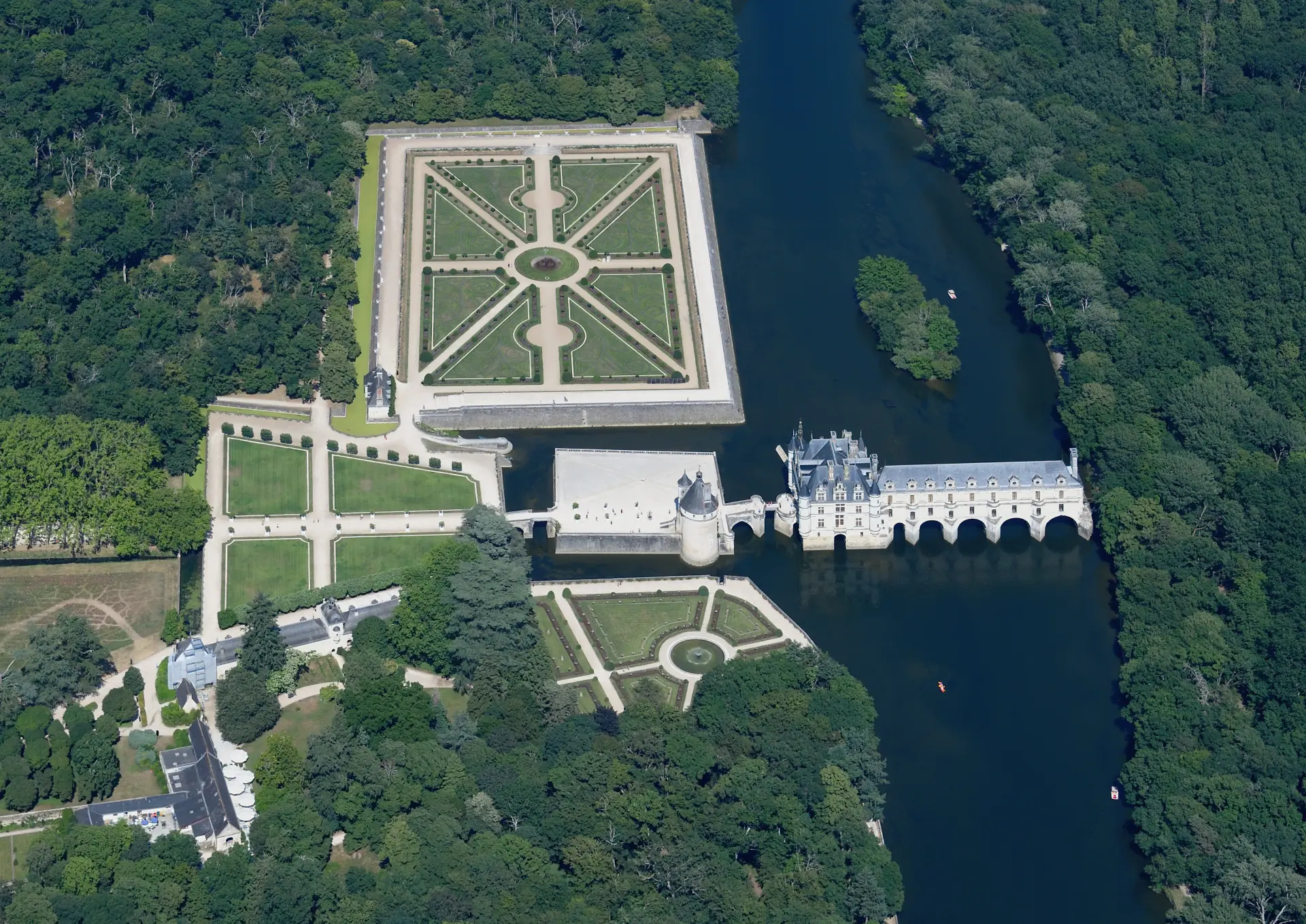
Next, our journey takes us to Chenonceau, rightly called the 'Château of the Ladies.' This place is a true theater of women's destinies and power struggles. Two great women reigned and rivaled here – Diane de Poitiers and Catherine de' Medici, each leaving her unique imprint. Ask yourself, why did Catherine de' Medici add a gallery to the château, spanning across the Cher River? And whose initials can still be found on the walls, if you know where to look? We will walk through its exquisite interiors, hear legends of its inhabitants, and perhaps feel their invisible presence.
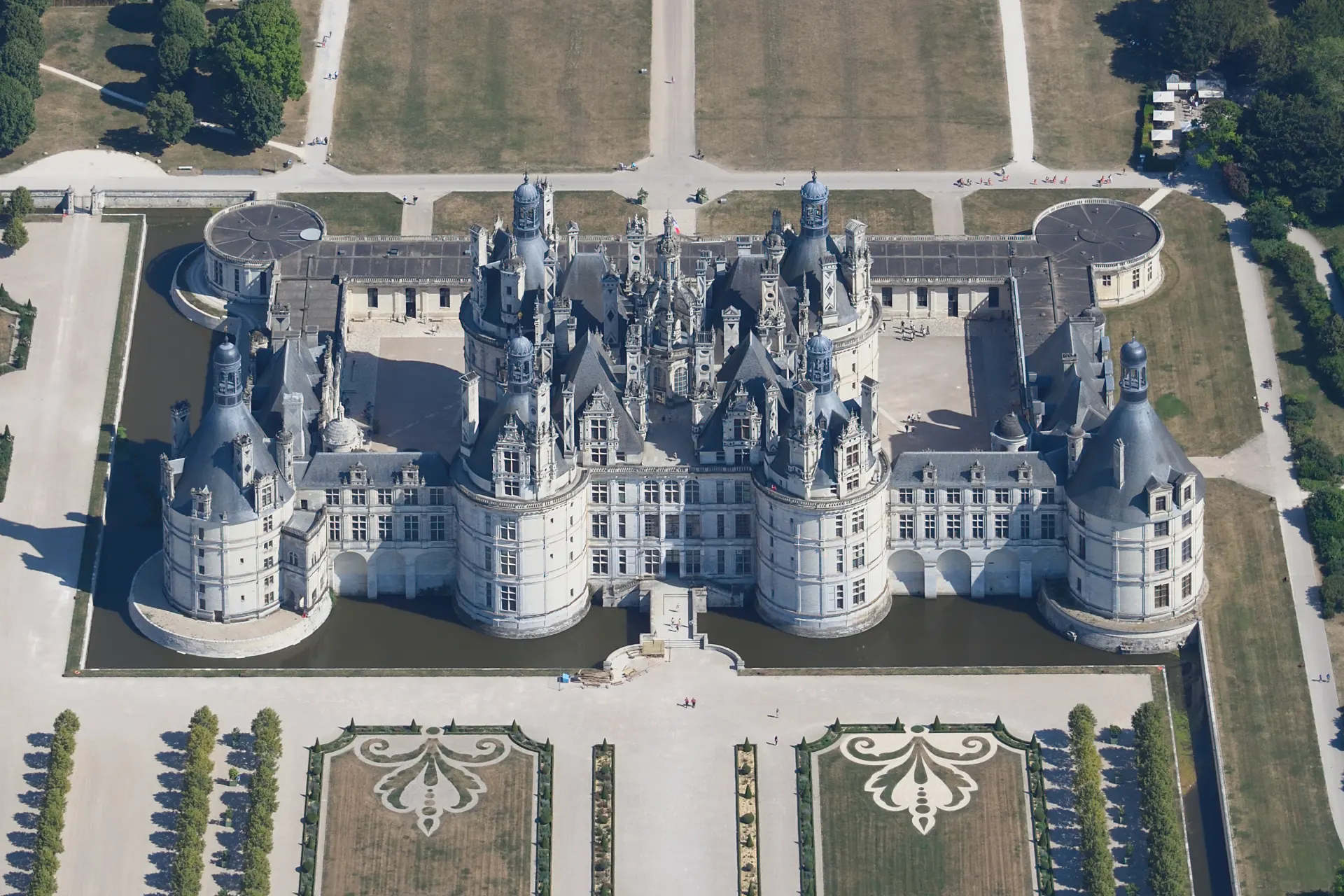
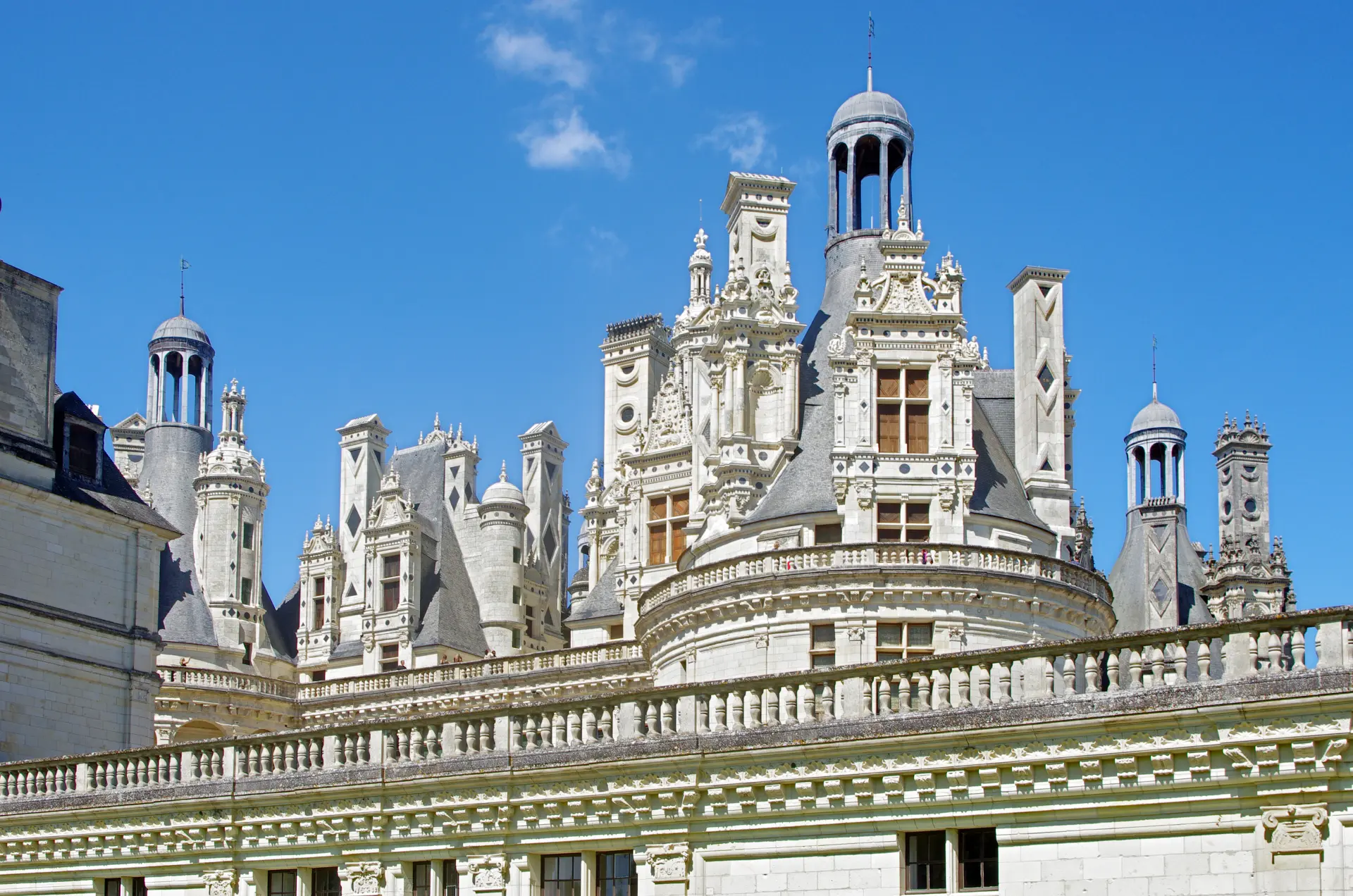
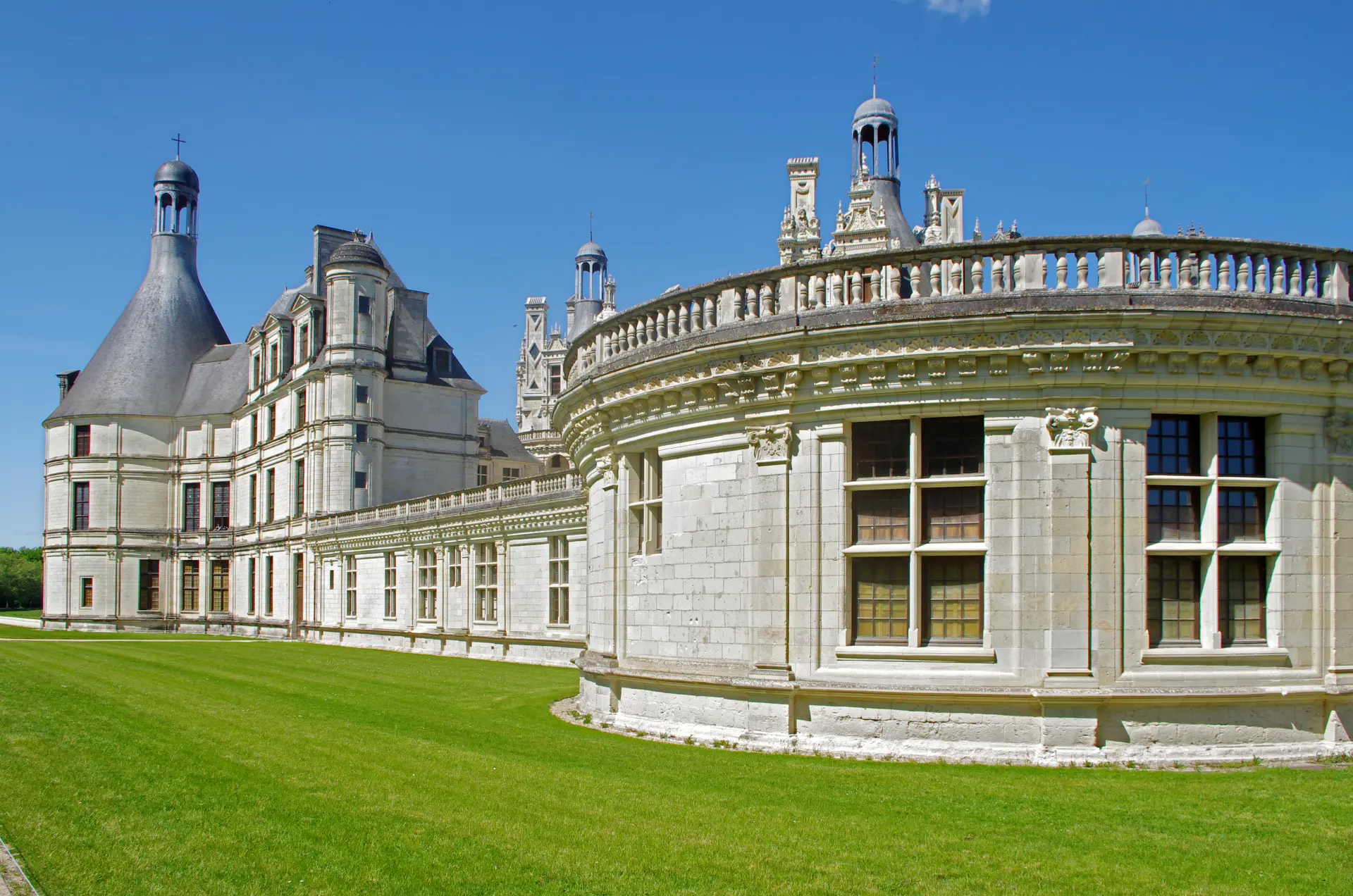
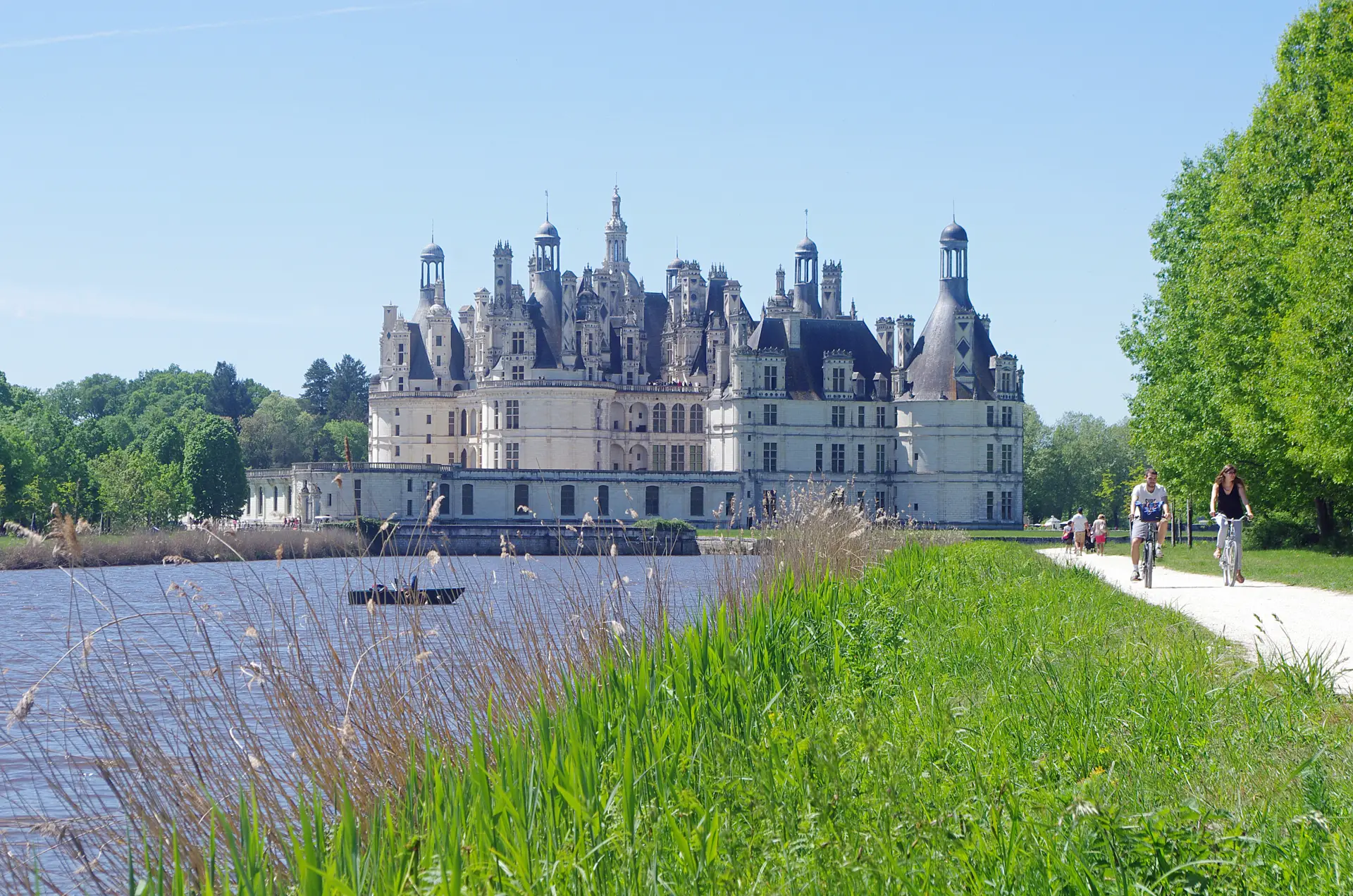
Our journey will conclude with an exterior viewing of Chambord – the largest and, arguably, the most mysterious château of the Loire. This is not just a castle; it is a manifesto of Francis I's grandeur, his dream made real. It is enormous, luxurious, yet surprisingly impractical for living. Here lies the secret of the famous double-helix staircase, which, according to one theory, was designed by Leonardo da Vinci himself. We will try to decipher the symbols and allusions that permeate Chambord's architecture and understand why the king spent a fortune on its construction, never fully enjoying it to the fullest.
After this tour, you will look at the history of France, the strength of female character, and the genius of human thought differently. This is not just a trip to castles; it is an immersion into an atmosphere of grandeur and secrets, where every turn of the road opens a new page. Join us, and let the Loire Valley reveal its most cherished secrets to you.
High above the Loire, on a rocky cliff, rises Amboise – a witness to turbulent events in French history. Its walls remember the young King Francis I, who spent his childhood here, and, of course, Leonardo da Vinci. The great master spent his final years at the nearby Château du Clos Lucé, but his spirit still lingers over Amboise.
A huge spiral ramp several meters wide replaces the ceremonial staircase here. In his time, King Charles VIII was either in a terrible hurry or loved making dramatic entrances even at the threshold of his own chambers.
Here, guards sounded the alarm, and ambassadors waited in anticipation of an audience. The hall takes its name from the musicians who played on a special platform during balls and solemn receptions.
The room where decrees were born that changed the map of Europe and cost thousands of subjects their lives; here monarchs listened to spies' reports and signed death sentences.
A bedchamber that remembers Francis I and Henry II, as well as the schemer Catherine de' Medici, who knew everything about poisons.
Above the entrance to the Chapel of Saint-Hubert, frozen in stone, stands a hunter with a horn and dogs. This bas-relief is not merely decoration, but a symbol of the patron saint of hunters who gave the shrine its name. But far more important is that within these walls, beneath a modest slab, lies the man who changed the world – Leonardo da Vinci. Here, far from Italy, he spent his final years, and it is said his spirit still lingers among these ancient stones, guarding his final secrets.
Like a green amphitheater, the terraced gardens of Amboise descend toward the Loire, offering breathtaking views of the river and surroundings. It was here, among neat flower beds and shady alleys, that French kings and their favorites strolled, and Leonardo da Vinci himself, it is said, drew inspiration for his inventions. Imagine how many court intrigues and romantic rendezvous these trees have witnessed! And one of the most unusual details – an underground passage that leads directly to the river. What was it for?
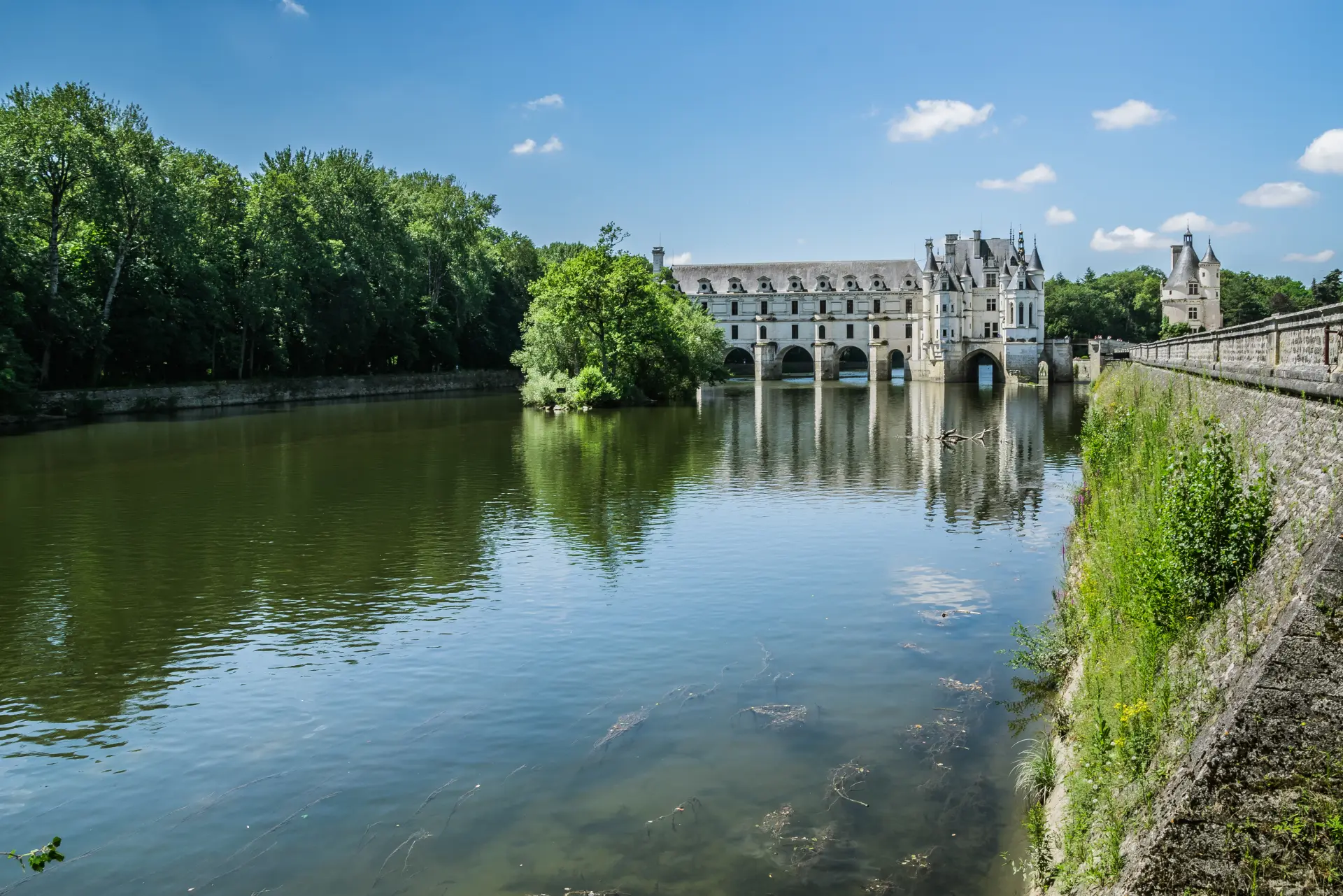
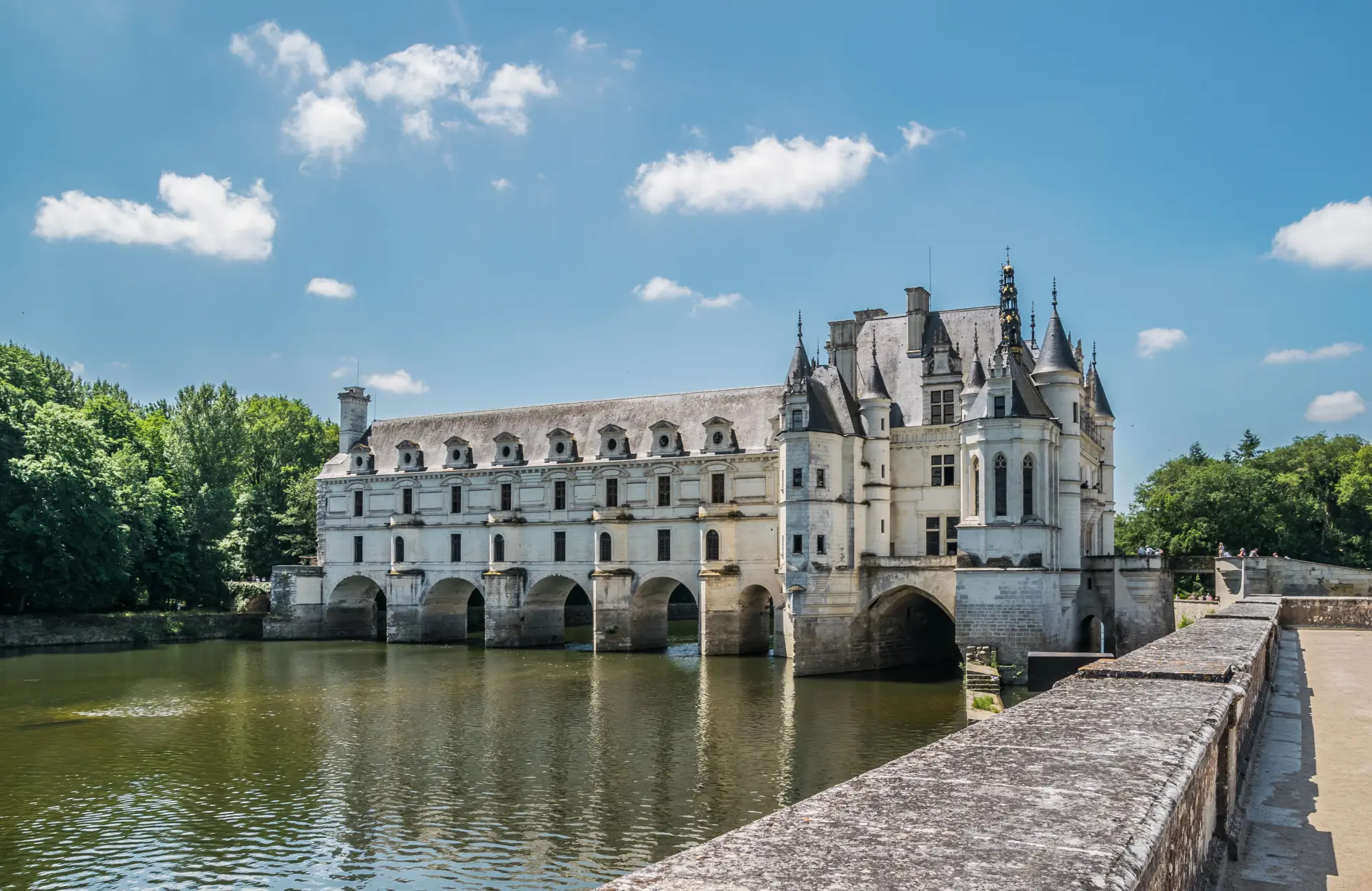
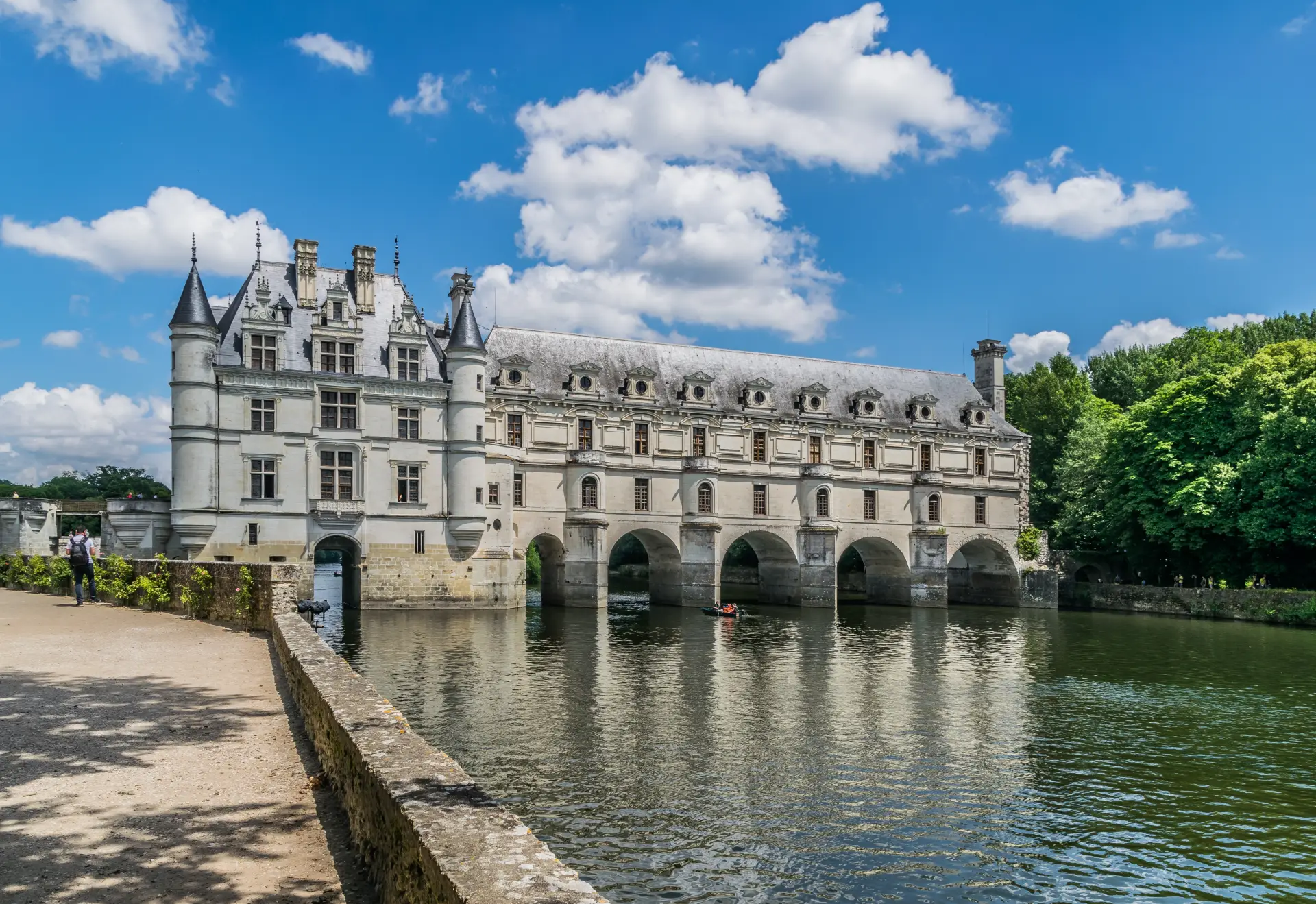
Before us stands Chenonceau, a château that seems to grow from the waters of the Cher River. Its elegant arches, spanning the river, immediately reveal its uniqueness. Here, within these walls, the destinies of great women unfolded: Diane de Poitiers and Catherine de' Medici. Each left her mark, her story, her intrigues. We will follow in their footsteps, see their chambers, the gardens they so loved. It is said that sometimes one can hear the whisper of their conversations.
The elevated bedchamber of King Henry II's favorite, with a luxurious canopy bed and a view of the garden she created. It symbolizes the triumph of a woman who won the monarch's heart, but after his death was ruthlessly banished by her rival.
A gloomy workspace, steeped in the atmosphere of political conspiracies, of the queen mother. From here she ruled France, wove a web of intrigues and, according to rumor, decided the fates of enemies with poison.
A vast 60-meter ballroom, soaring directly above the water's surface. Catherine de' Medici had it built atop her former rival's bridge to host grand masquerades where, in the silence, state secrets were decided.
Chambers named in honor of five crowned daughters and brides of Catherine de' Medici, including the tragic Mary Stuart.
Vast vaulted rooms at the bridge supports, where a very different life thrived. Here heavy copper pots clanged and lavish feasts were prepared for royal receptions, contrasting with the fragile elegance of the upper floors.
In the gardens of Chenonceau, as if in a mirror, the history of two strong women is reflected. Diane de Poitiers created her famous parterres here, and Catherine de' Medici, upon coming to power, added new terraces and water mazes. Strolling along these alleys, you feel the invisible presence of their rivalry, embodied in the landscape. Every flower bed, every fountain holds secrets that we will unravel together, enjoying the view of the bridge-castle.
During the tour, we will visit a wine cellar for a tasting of local wines. The Loire Valley is unique in its mosaic diversity. Here there is no monotony: the region combines several climatic zones and types of soil, allowing the creation of absolutely contrasting yet invariably elegant wine styles. Local white wines are renowned for their piercing acidity, aromas of flint, green apples, citrus, and freshly cut grass. Loire wines are made to pair with food. They do not overwhelm the palate, but delicately enhance the flavor of dishes — from tender goat cheese to refined game. Sauvignon Blanc and Chenin Blanc varieties reach their absolute world peak here.
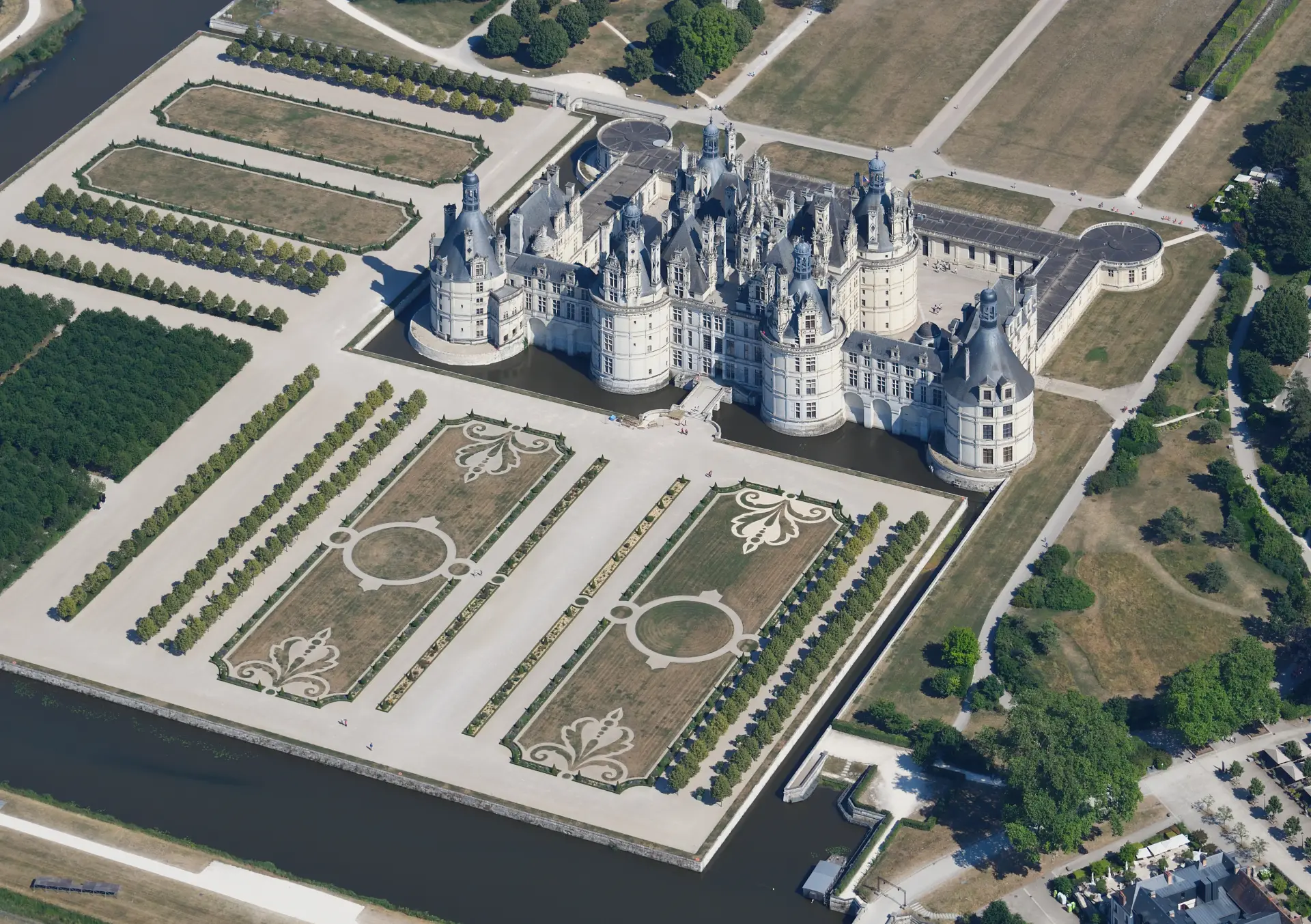
Château Chambord is not merely a royal residence, but the greatest architectural deception and an encrypted message from King Francis I and, perhaps, Leonardo da Vinci himself. The expression 'symphony in stone' perfectly describes Château Chambord — the most grandiose, recognizable, and romantic masterpiece of the French Renaissance in the Loire Valley. This metaphor highlights the incredible harmony, symmetry, and musical rhythm of its architecture.