

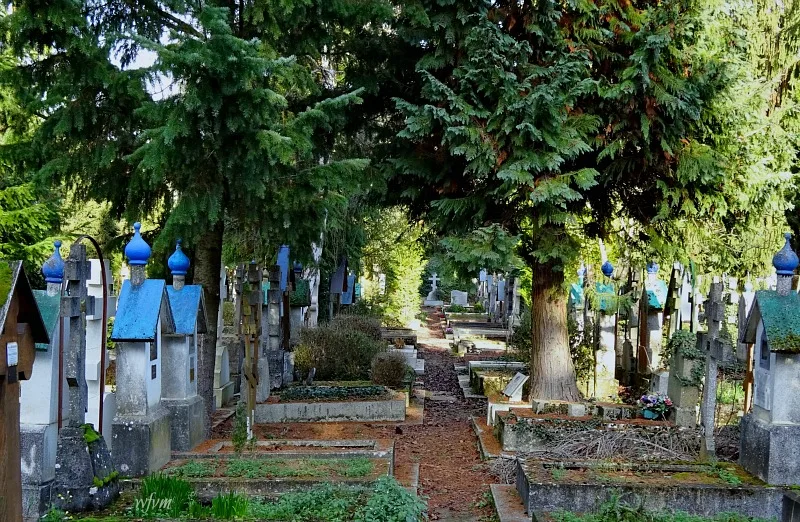
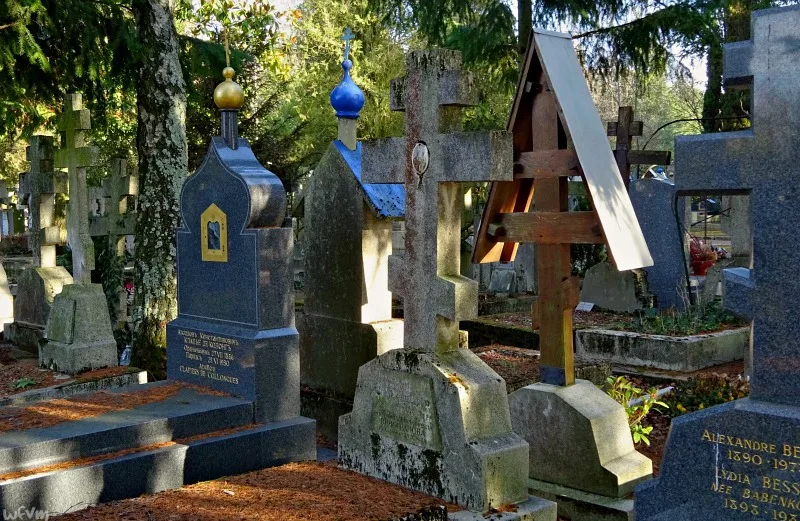
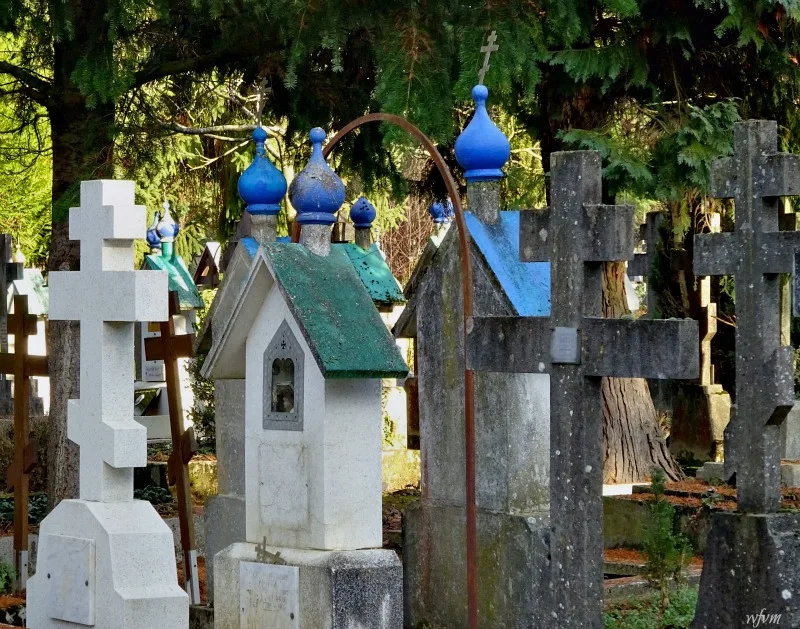
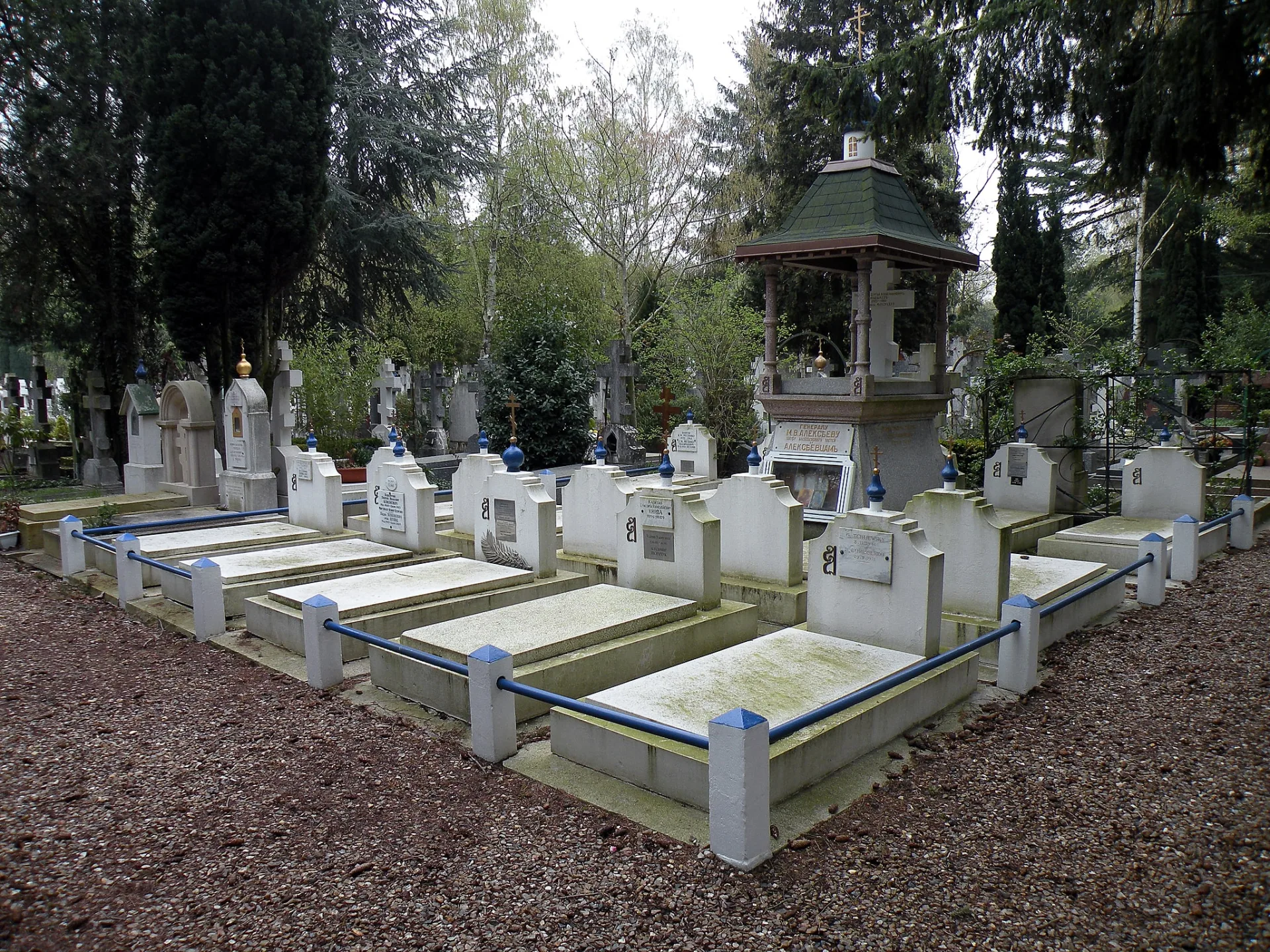
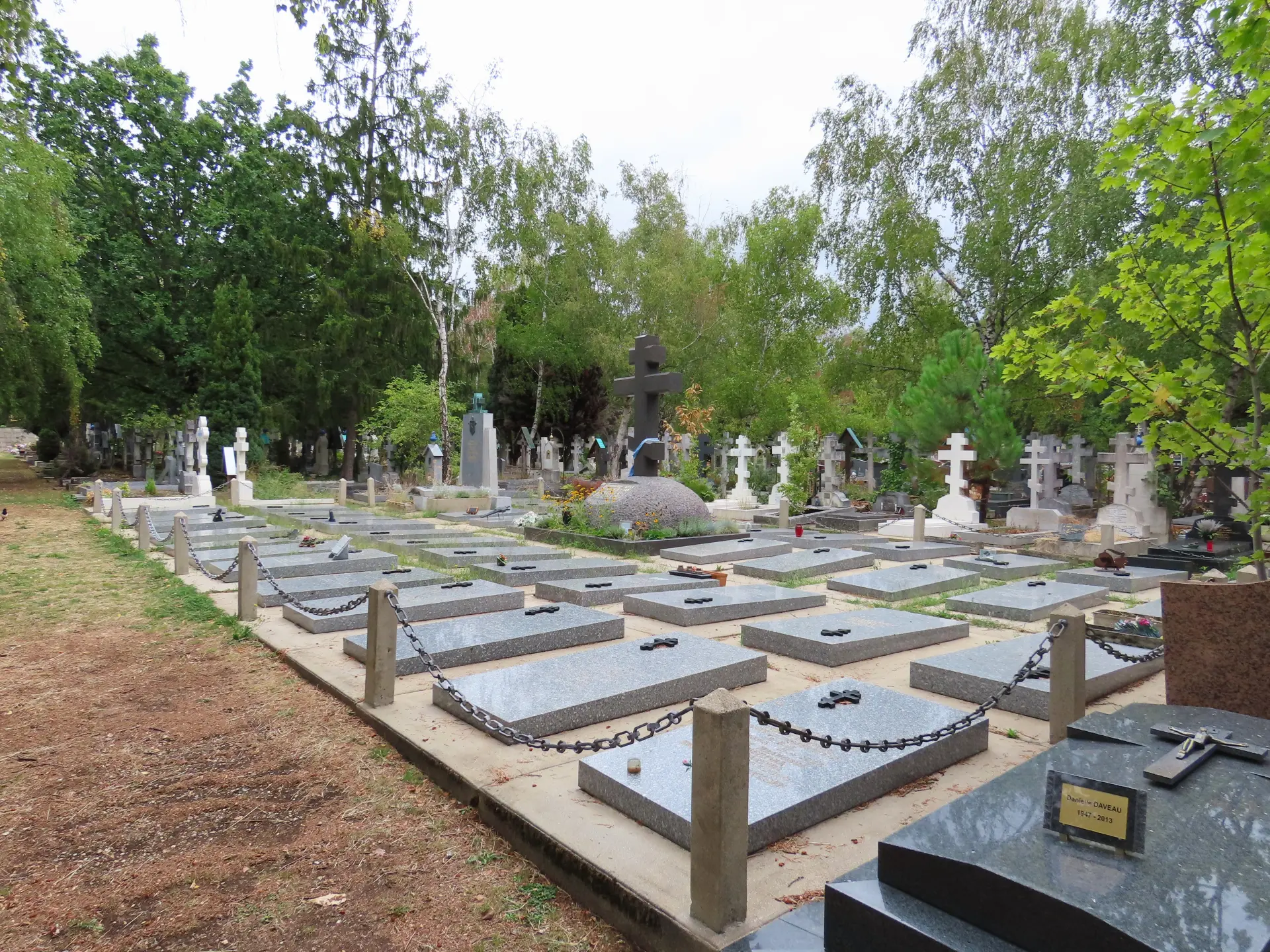
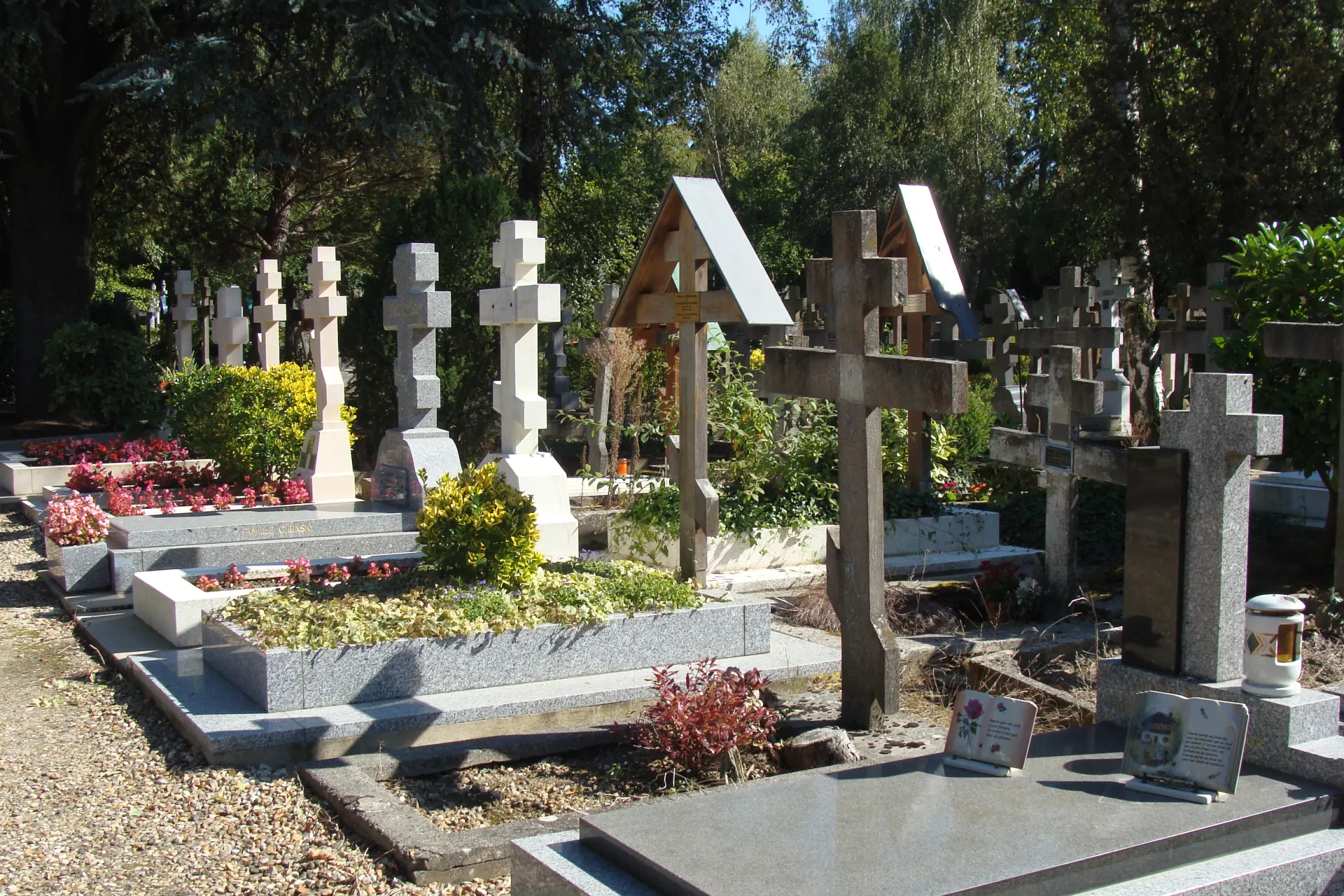
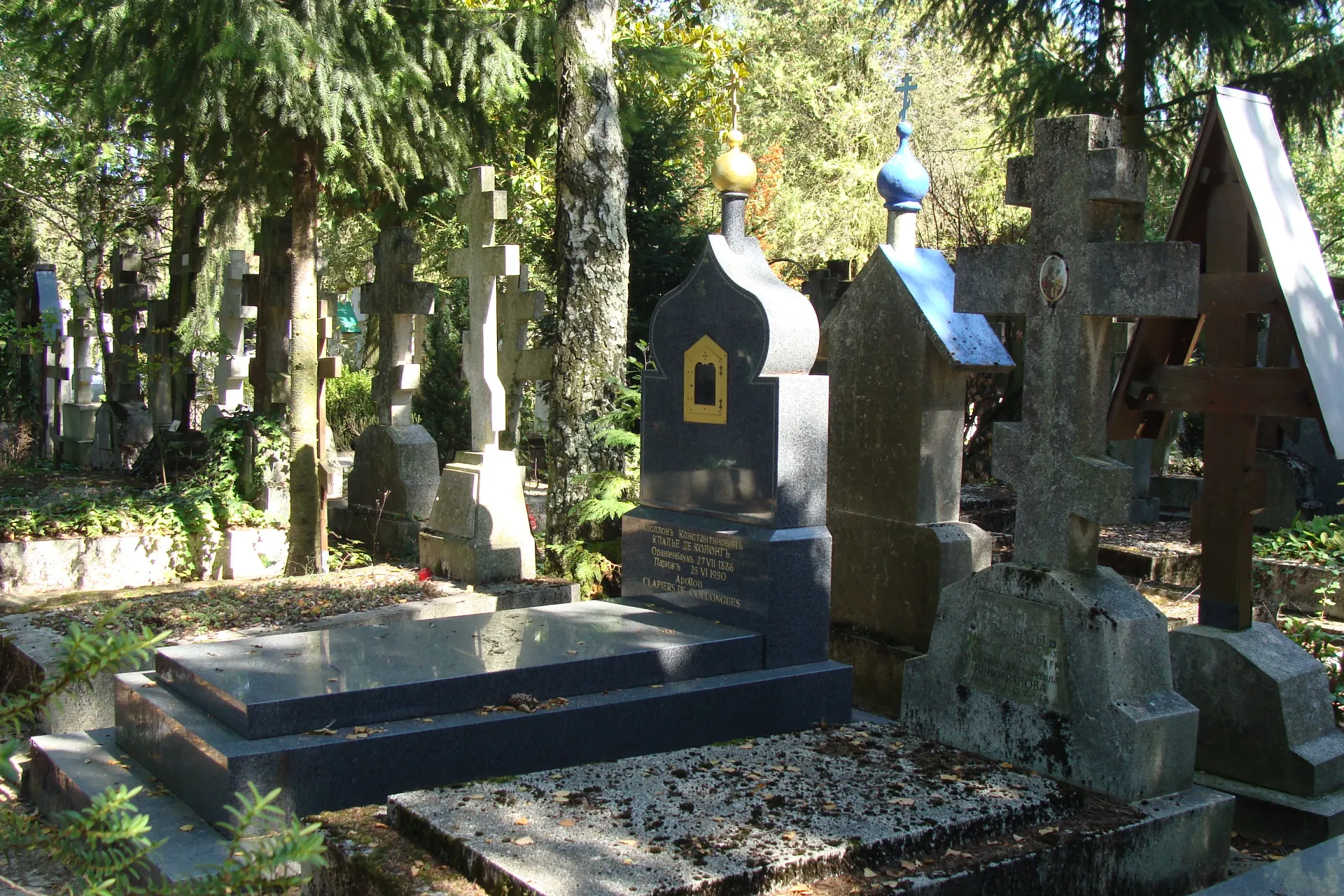
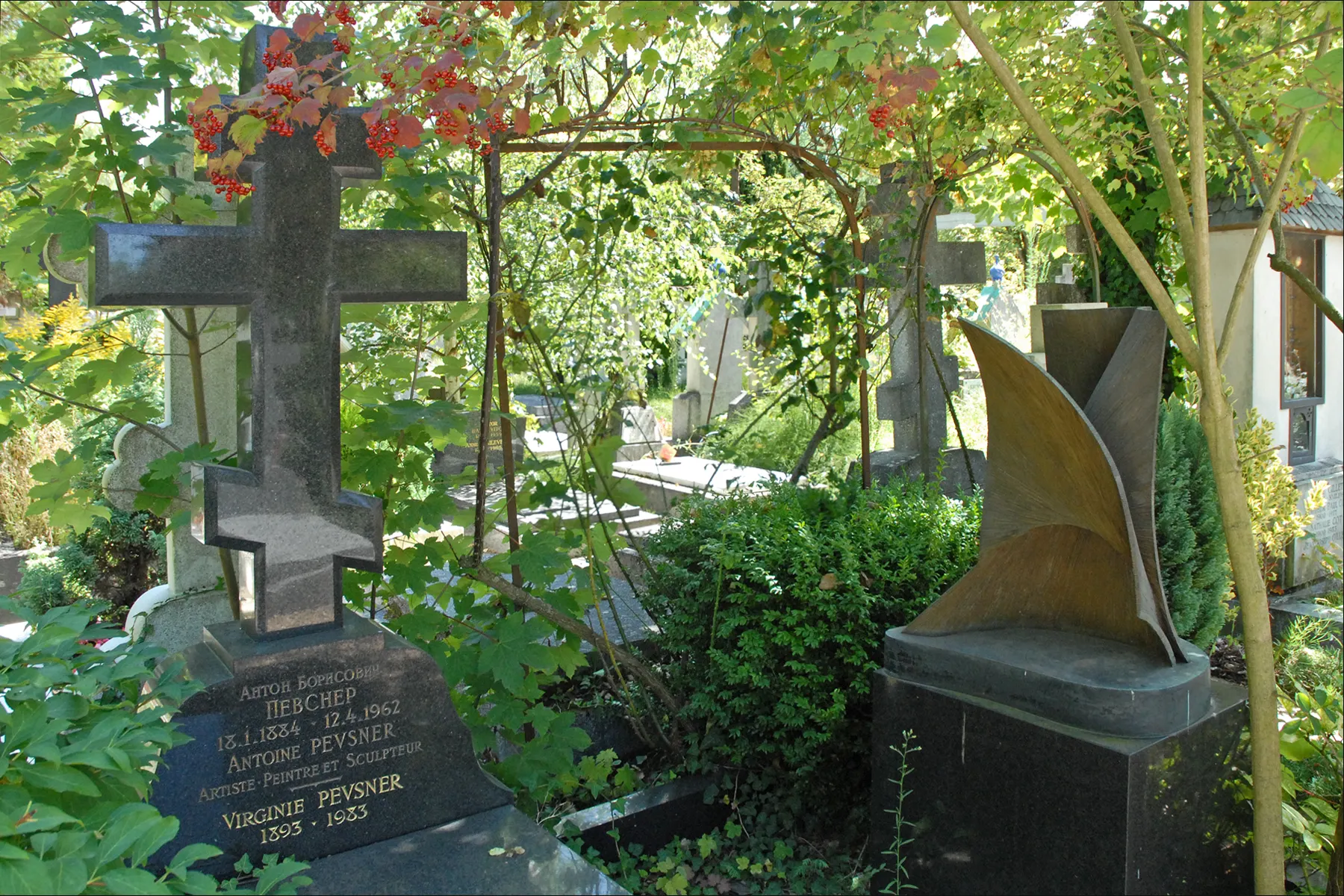
Imagine a place where the history of Russia intertwines with French soil, where in the shade of ancient trees rest not just bodies, but entire epochs. This is not merely a cemetery; it's a true Russian necropolis, a living open-air museum, full of whispers from the past and untold stories. Here, every tombstone is a page from a novel, and every path is a journey through someone's destiny. Prepare for a voyage that will touch the deepest chords of your soul.
We will walk past humble crosses and majestic monuments, and you will discover why many famous Russian figures found their final resting place right here, near Paris, rather than in their homeland. This won't just be a list of names, but an immersion into the destinies of those who were forced to leave Russia and build new lives in exile, all while preserving their culture and faith. We will try to understand their pain, their hopes, and their endless longing for a lost homeland.
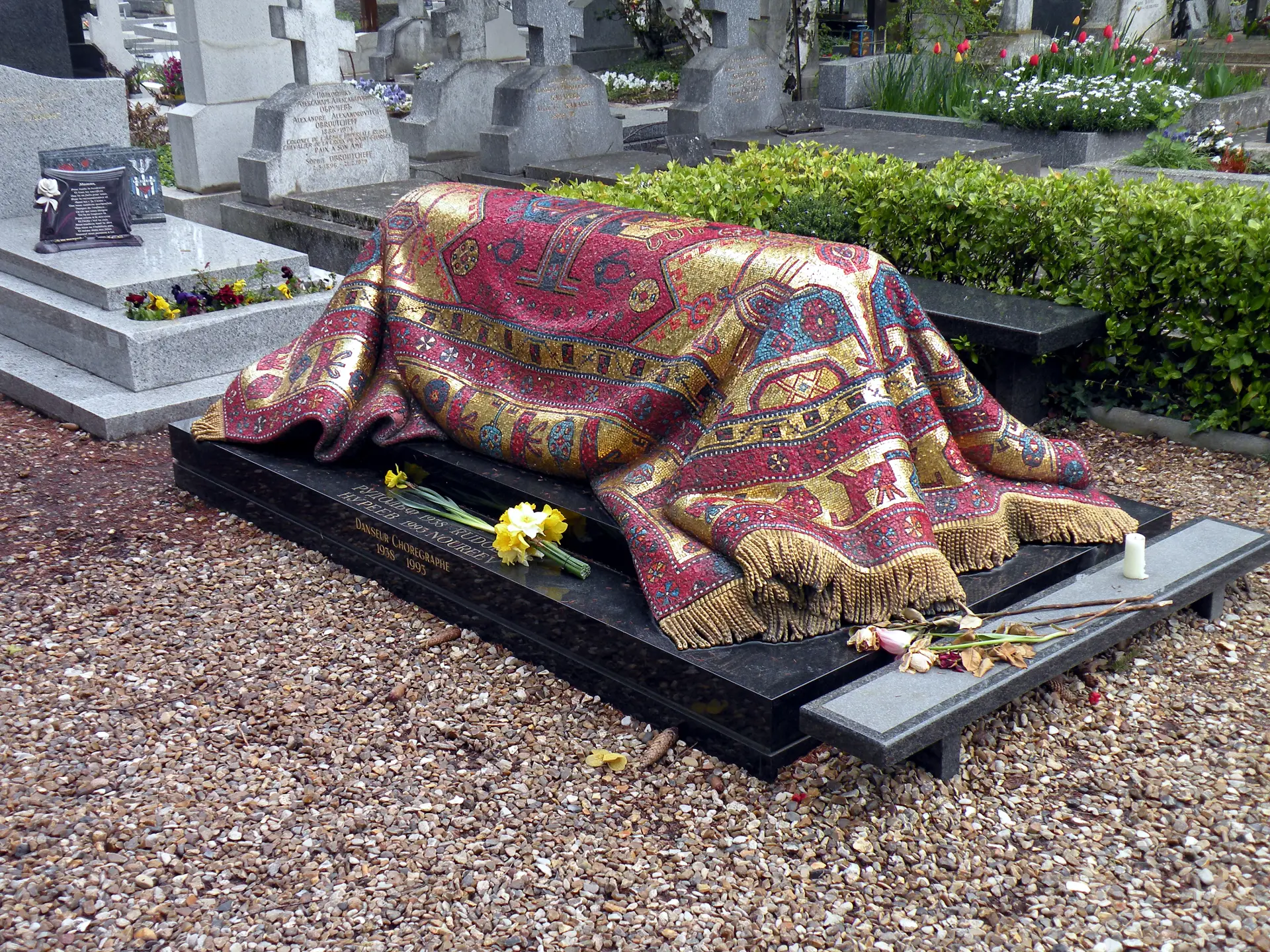
I will show you Rudolf Nureyev's grave, over which rises an extraordinary oriental carpet made of mosaic. Few visitors realize what secret this masterpiece holds and why the great dancer, whose life was dedicated to freedom and art, chose such an image for himself. We will pause at the humble burial site of Ivan Bunin – the first Russian Nobel laureate in literature. Here, we will try to unravel what compelled him to return again and again to the theme of Russia, despite being so far from it, and how this pain was reflected in his poignant works.
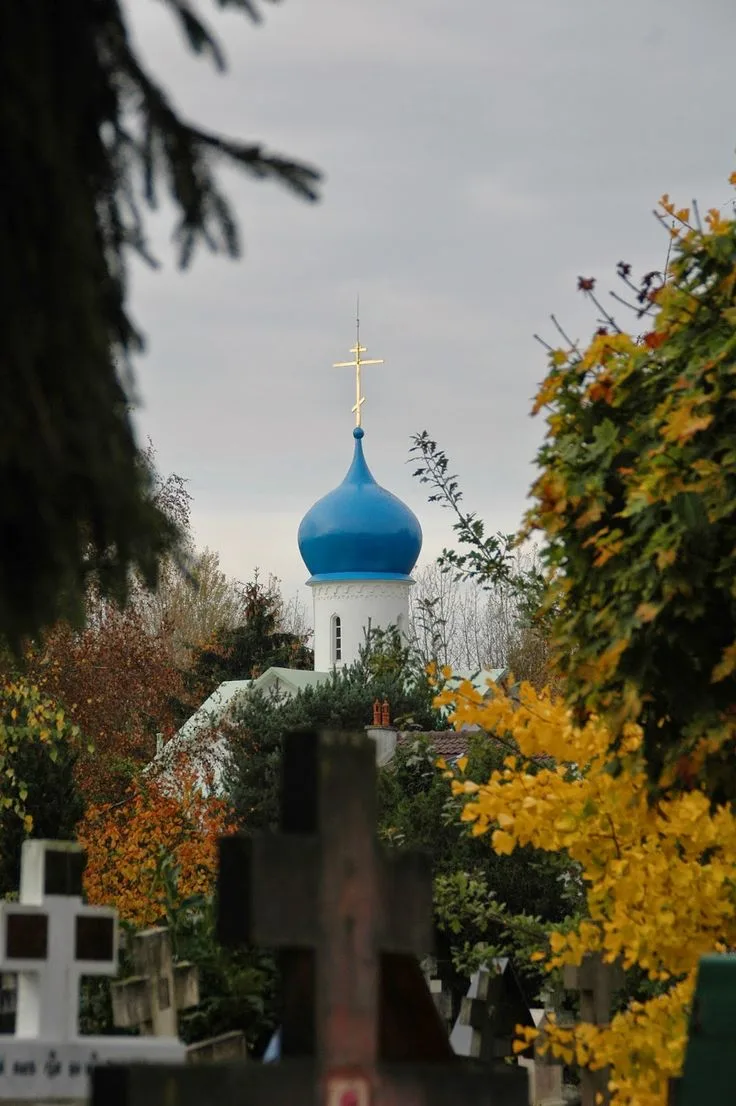
Of course, we will visit the unique Dormition of the Mother of God Church, built according to Albert Benois' design. Ask yourself, why did this Orthodox jewel appear among the French hills, and which Russian aristocrats invested their soul and resources into it to preserve a piece of Russia on foreign soil? Inside, you will feel the special atmosphere of a hallowed place, where every corner breathes history and faith.
You will also see other names familiar from history and literature textbooks: from the Yusupov princes, implicated in Rasputin's murder, to artists, writers, and philosophers whose lives were cut short by revolution and civil war. This tour is not just a walk, but an immersion into a living, breathing memory waiting to be discovered. You will learn:
After visiting this place, you will look at the history of Russian emigration differently, feeling its depth and tragedy. This will not just be information, but an emotional experience that will leave a profound mark on your memory. Here lies the secret of an astonishing resilience of spirit and loyalty to one's roots. Join us, and I will open the doors to this amazing world, full of mysteries and great destinies.
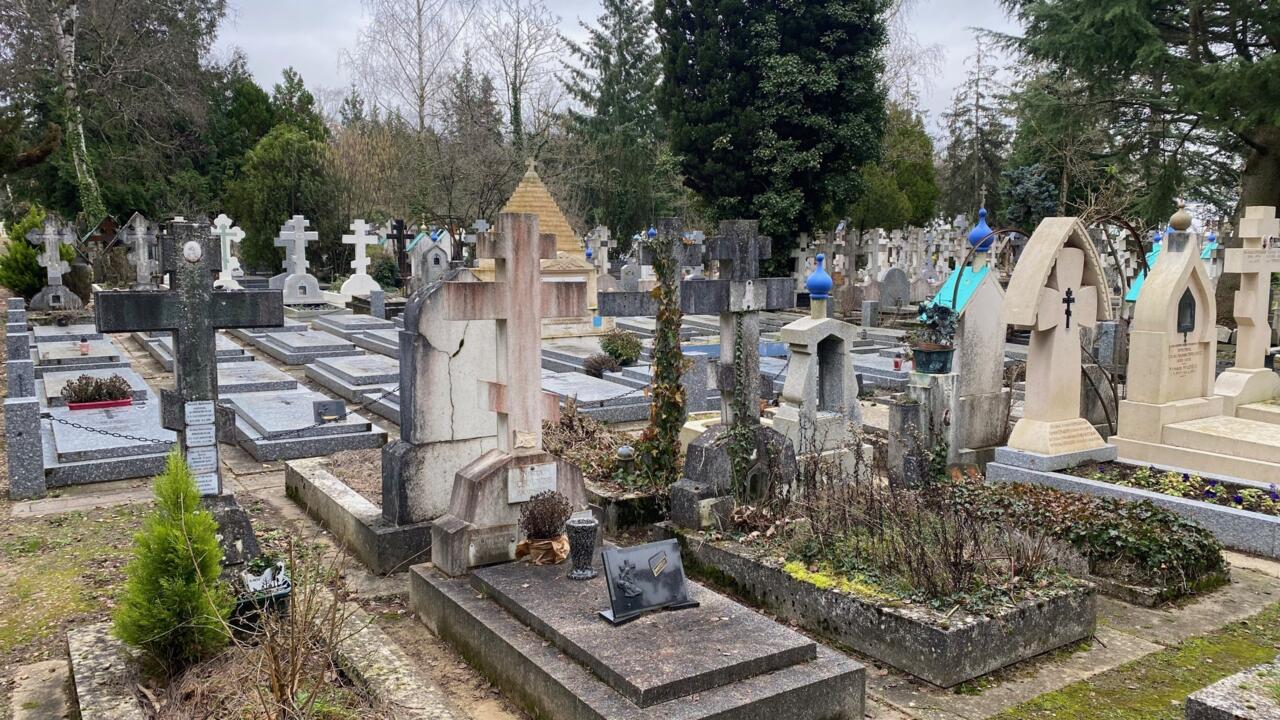
In Sainte-Geneviève-des-Bois, France tenderly holds and preserves the memory of Russian emigration. Established 1927, this cemetery became a quiet, final haven for thousands fleeing revolution. Here, aristocrats, Cossacks, and writers intertwined. We'll uncover how French soil became the keeper of their enduring legacy.
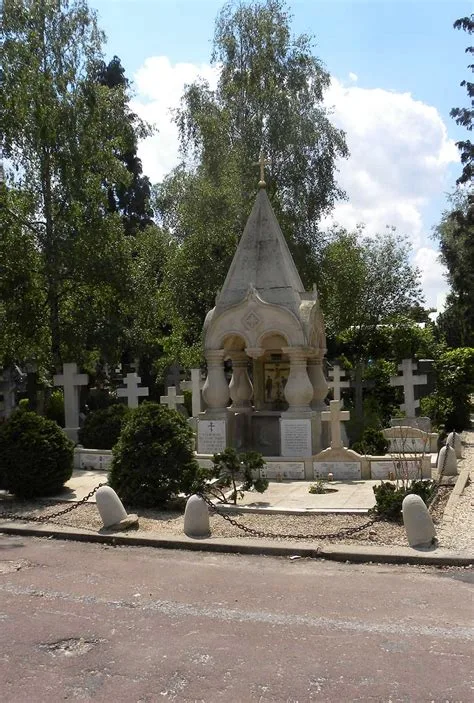
Look at this wonder: amidst the French landscape, a domed Orthodox Church of the Dormition of the Mother of God emerges – the heart of the Russian Cemetery. Its golden domes shine under the Parisian sky, reminiscent of distant Russia. Built in 1939 by Albert Benois, it became a spiritual center for thousands of emigrants. Few know its construction was a true feat for the diaspora, a spiritual anchor in a foreign land.
Amidst Sainte-Geneviève-des-Bois’s modest crosses, one bursts with color: Rudolf Nureyev’s grave. His final resting place isn't cold stone, but a breathtaking mosaic carpet, an oriental dream woven in vibrant glass. It’s a vivid echo of a genius's tumultuous life, his soul’s yearning. We'll uncover its hidden symbols and the artist's secret.
Here, beneath a humble cross, rests a great Russian writer, Ivan Bunin – the first Russian Nobel laureate in literature. His burial, devoid of pomp, speaks volumes if you know how to listen, reflecting his complex fate and profound connection to Russia. Bunin spent most of his emigrant life in France, his final years filled with bitterness and an endless nostalgia for his lost homeland. Ask yourself what the loss of his homeland meant to him, and how this deep pain was reflected in his poignant work, full of longing and love for Russian nature.
Just steps away lies Alexander Galich, the bard whose biting satire and poignant, whispered anthems voiced an entire era. Forced from his homeland, he never stopped exposing Soviet injustice. Local lore has it his tragic death in Paris is shrouded in mystery, a secret we’ll begin to unravel right here at his quiet resting place.
Under this very stone, Zinaida Gippius and Dmitry Merezhkovsky, two titans of the Silver Age, found their final rest, their destinies woven into one. Their intellectual, mystical union was a legend in Petersburg and among Parisian émigrés. Local lore has it their souls still debate Russia's fate, continuing their eternal dialogue beyond the grave.
Andrei Tarkovsky's grave, that of a visionary director, holds a riddle: the stone, they say, symbolizes his eternal yearning for Russia. Though he found peace far from his homeland, his films still stir souls with questions of faith and humanity. This spot silently testifies to prophetic art, whose secrets we'll unveil.
The soil of Sainte-Geneviève-des-Bois cradles Serge Lifar, the great dancer who once soared like a bird. Diaghilev’s muse, he brought the Russian ballet school to European stages. His tombstone, unassuming at first glance, holds the whirlwind of his life and passion. Here, an invisible presence of dance lingers, a story we’ll uncover.
Behind a humble, iron-wrought fence rest the Yusupov Princes, heirs to Russia's vast fortunes. Their names echo with palace intrigues, immense wealth, and Rasputin's murder. Local lore whispers a portion of their fabled treasures, perhaps even a jewel-encrusted Fabergé egg, was never recovered, its whereabouts a tantalizing secret.
Konstantin Korovin, the painter whose canvases burst with audacious color, rests in Sainte-Geneviève-des-Bois. His Parisian days pulsed with bohemian extravagance, yet his final years faded into quiet hardship. This Russian Impressionist master left a luminous legacy, but his humble grave holds a poignant, whispered secret.
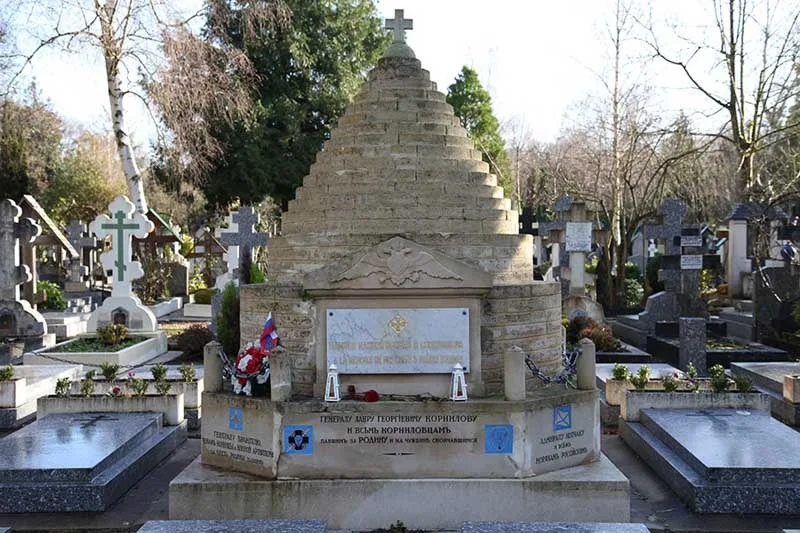
A distinct corner of this cemetery holds the memory of Cossacks fiercely loyal to their traditions. Under the French sky, Don, Kuban, and Terek warriors rest – an army in exile. Local lore has it they still gathered for their krugs, far from their steppes. We'll uncover their symbols and hear tales of an indomitable spirit.