

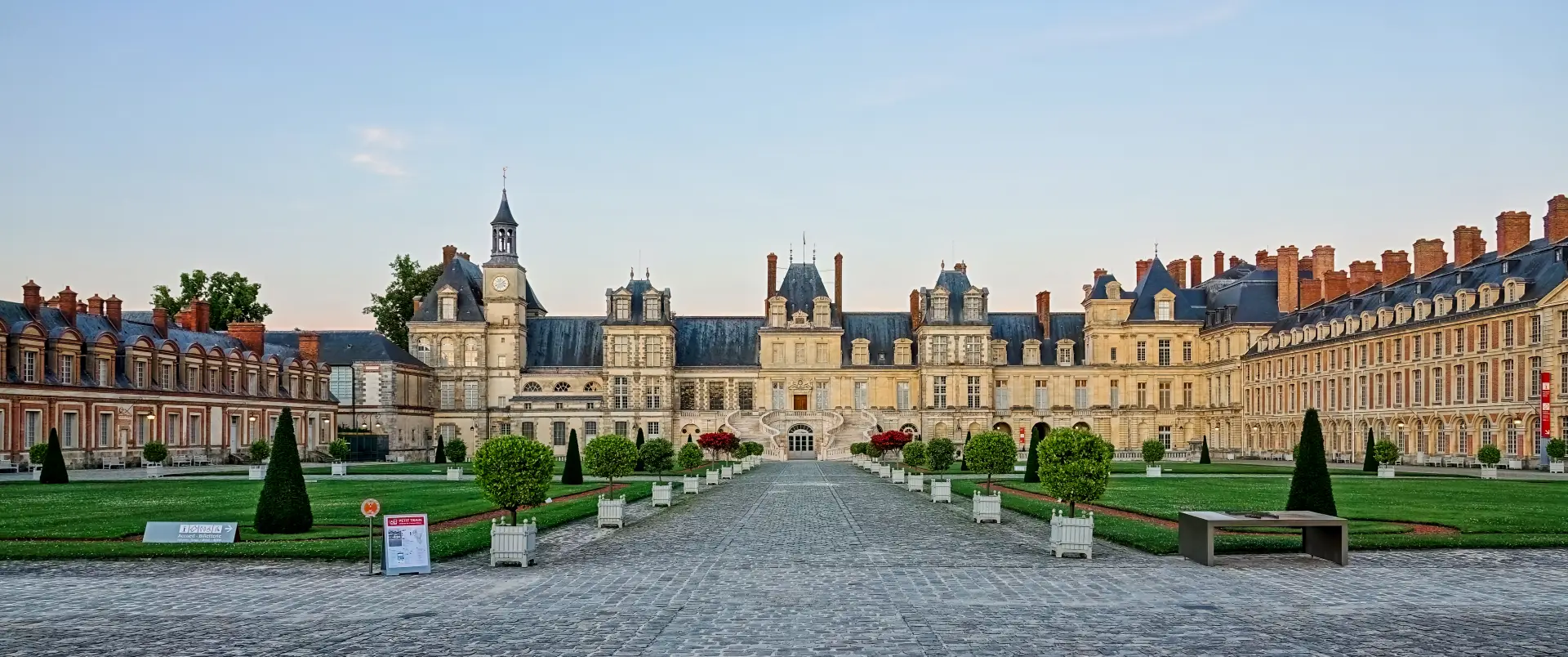
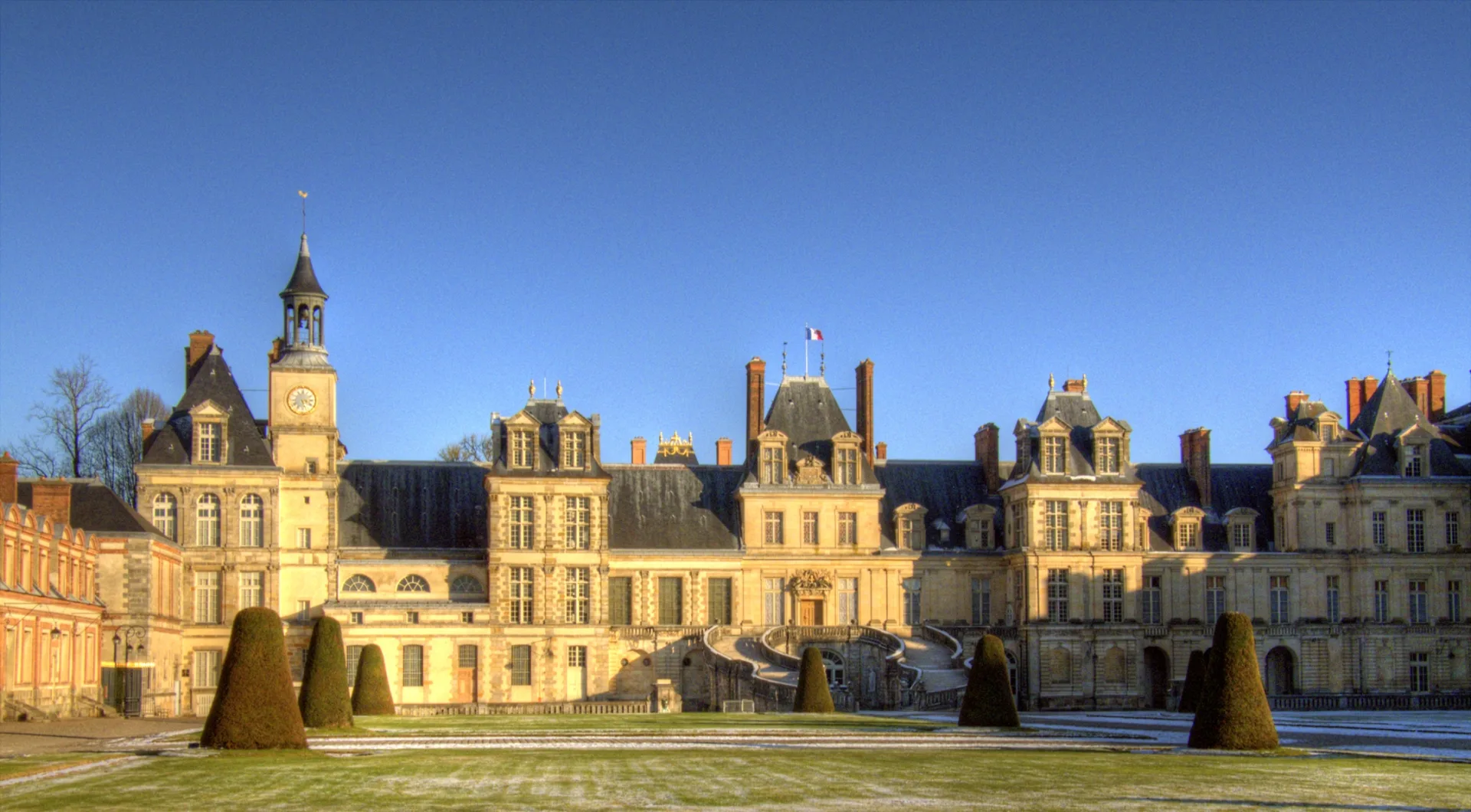
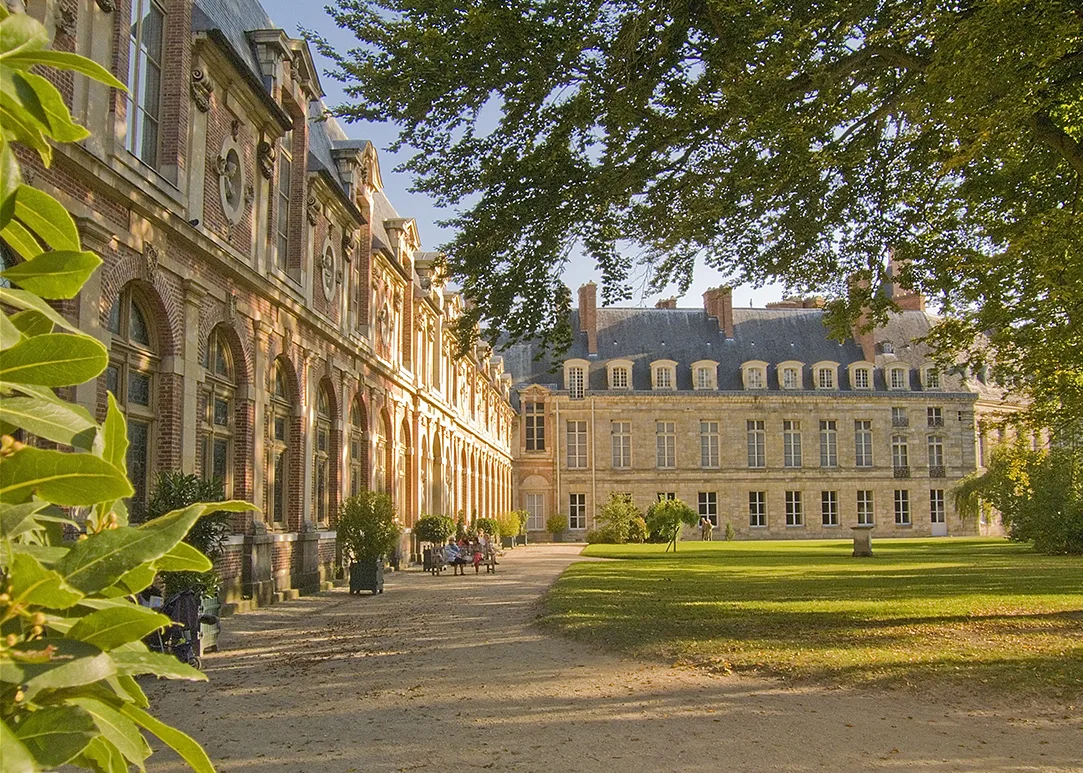
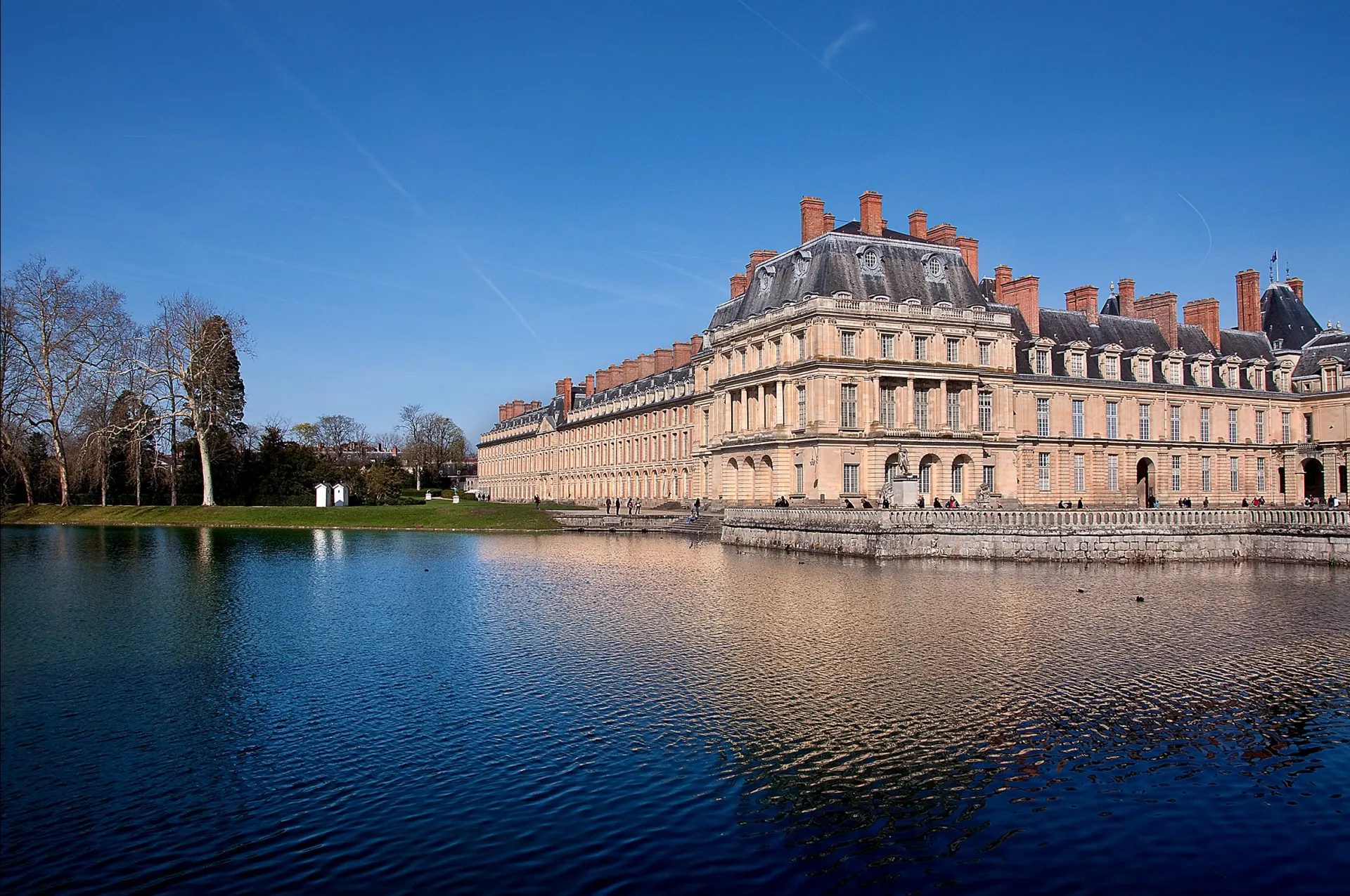
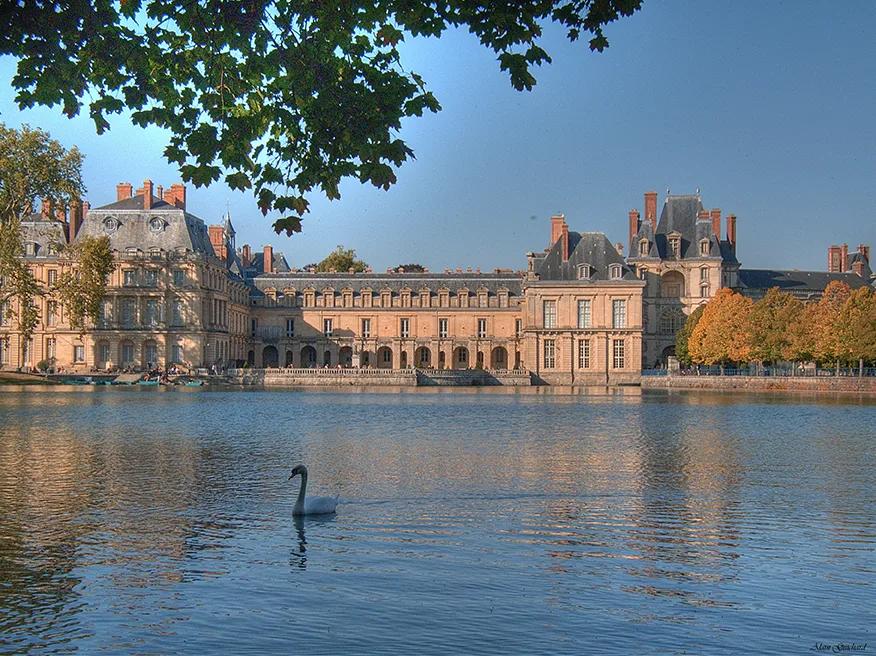
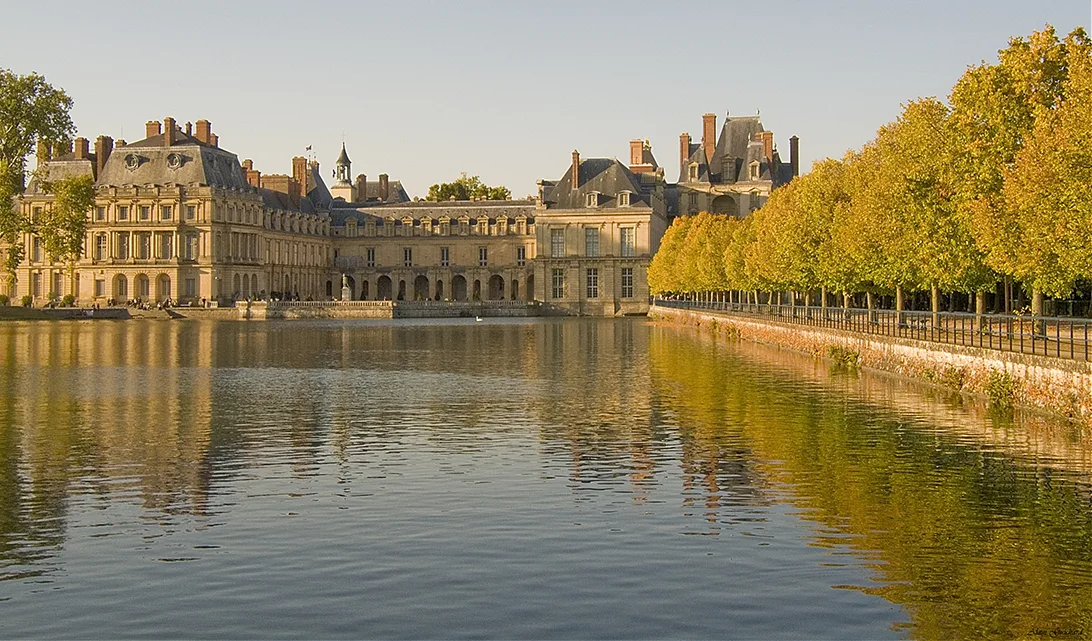
We invite you on a journey through time, to a place where the walls literally breathe history – to the Château de Fontainebleau, the 'house of centuries, abode of kings'. This isn't just another royal residence; it's the only palace in France that continuously served French rulers for nearly eight centuries! Ask yourself, why did thirty kings and two emperors, from Louis VII to Napoleon III, cling so persistently to these grounds, leaving their indelible mark here? We will embark on unraveling this mystery together.
Few visitors know that it was right here, in Fontainebleau, that the famous School of Fontainebleau originated, marking the beginning of French Mannerism. You'll discover how, at the invitation of King Francis I, outstanding Italian Renaissance masters – Rosso Fiorentino, Francesco Primaticcio, and Benvenuto Cellini – gathered here. Their work not only adorned the palace but also profoundly influenced the development of all French art, architecture, and palace decoration, forever changing France's artistic landscape.
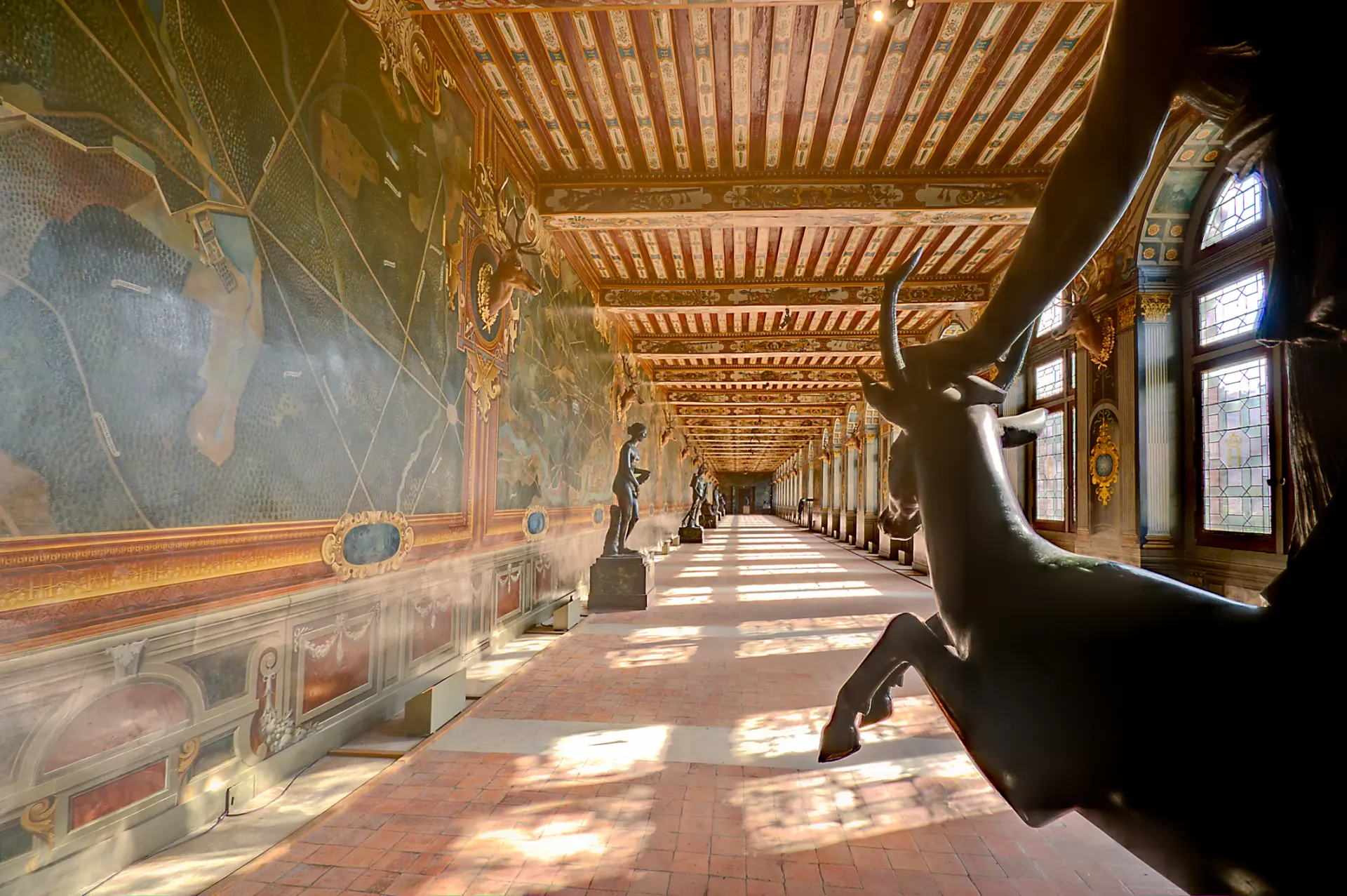
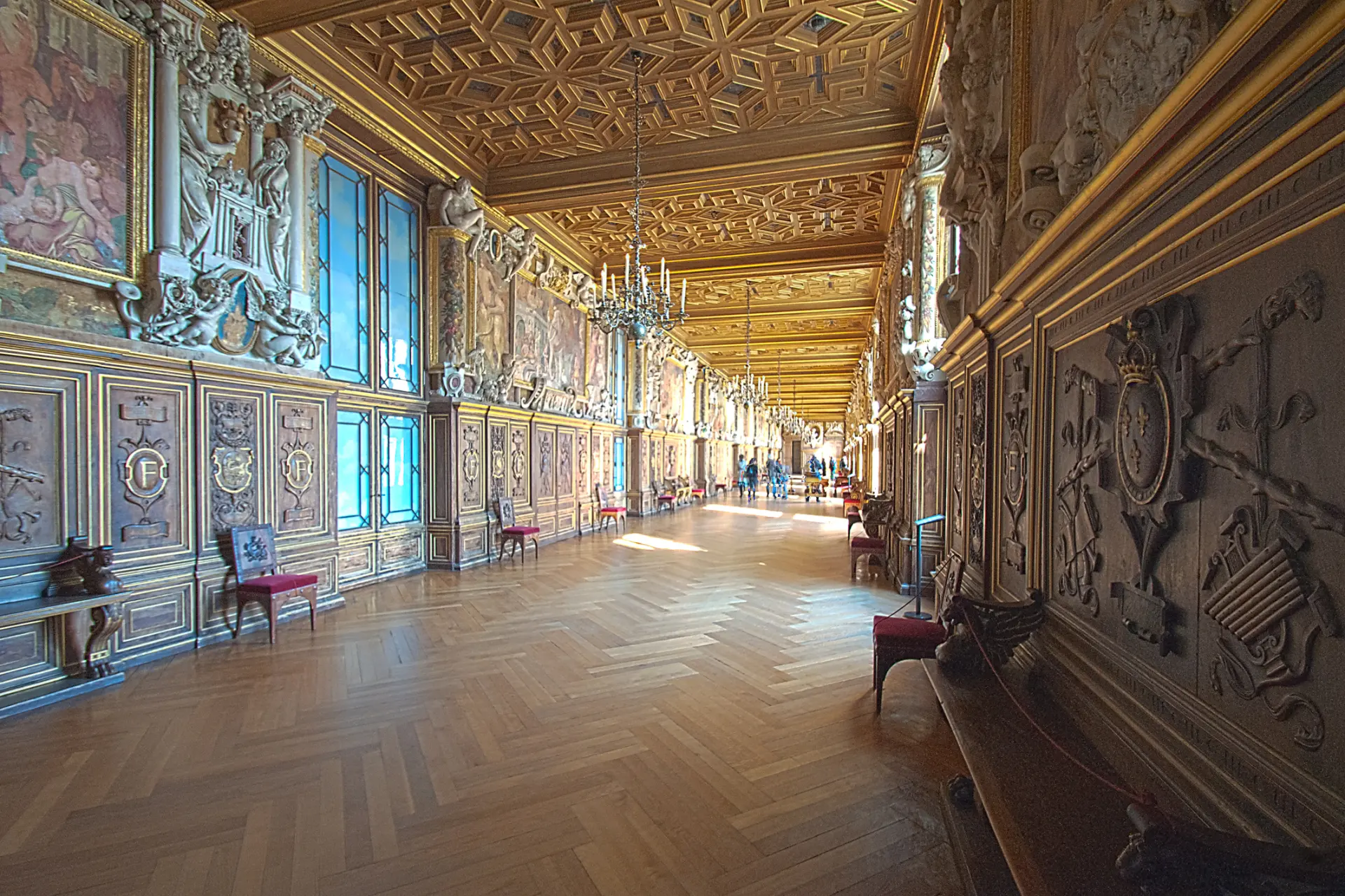
During our tour, we will walk through the magnificent royal apartments, where each room holds whispers of intrigues and grand decisions. You will see the famous Gallery of Francis I, the Papal Apartments where the Pope himself once stayed, and the majestic Chapel of the Holy Trinity. But most importantly, we will visit the only authentic Throne Room preserved in France, where Napoleon I's throne still majestically stands. It was here that the most important state ceremonies of the First Empire took place, and you will feel that power.
Here lies the secret of one of the most dramatic moments in French history: it was in Fontainebleau that Napoleon I signed his first abdication. We will pause in the Courtyard of the White Horse, or the Courtyard of Farewells, where he delivered his famous farewell speech to the Old Guard. After this place, you will view the fate of the great commander differently and understand how one person can change the course of history, only to later become its prisoner.
We will not only see all these beauties but also discover how the château changed over eight centuries, why every French ruler sought to leave their mark here, adding new wings, galleries, and gardens. And, of course, we will understand how Fontainebleau differs from Versailles – this château is much older, more intimate, and perhaps holds more personal stories of monarchs.
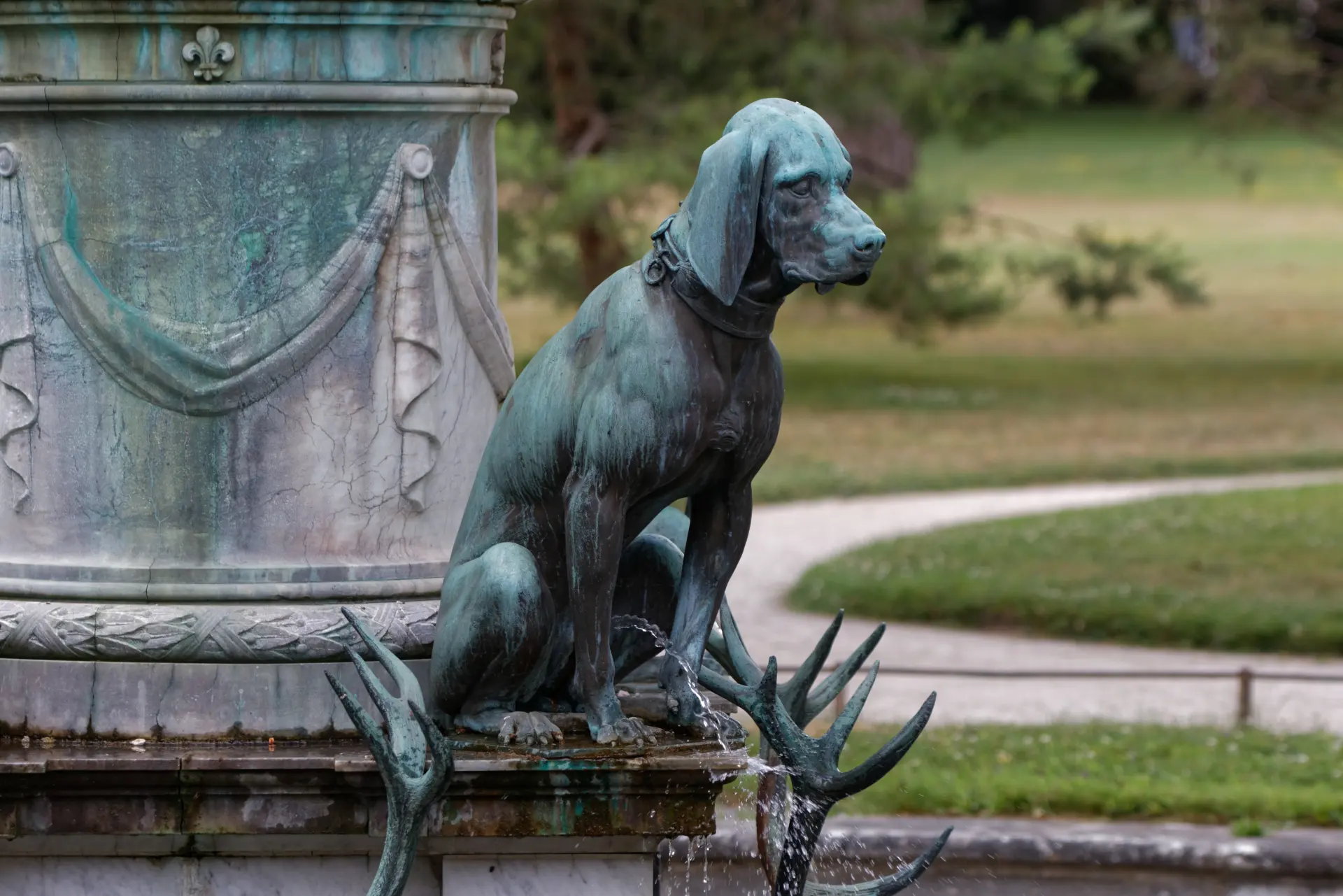
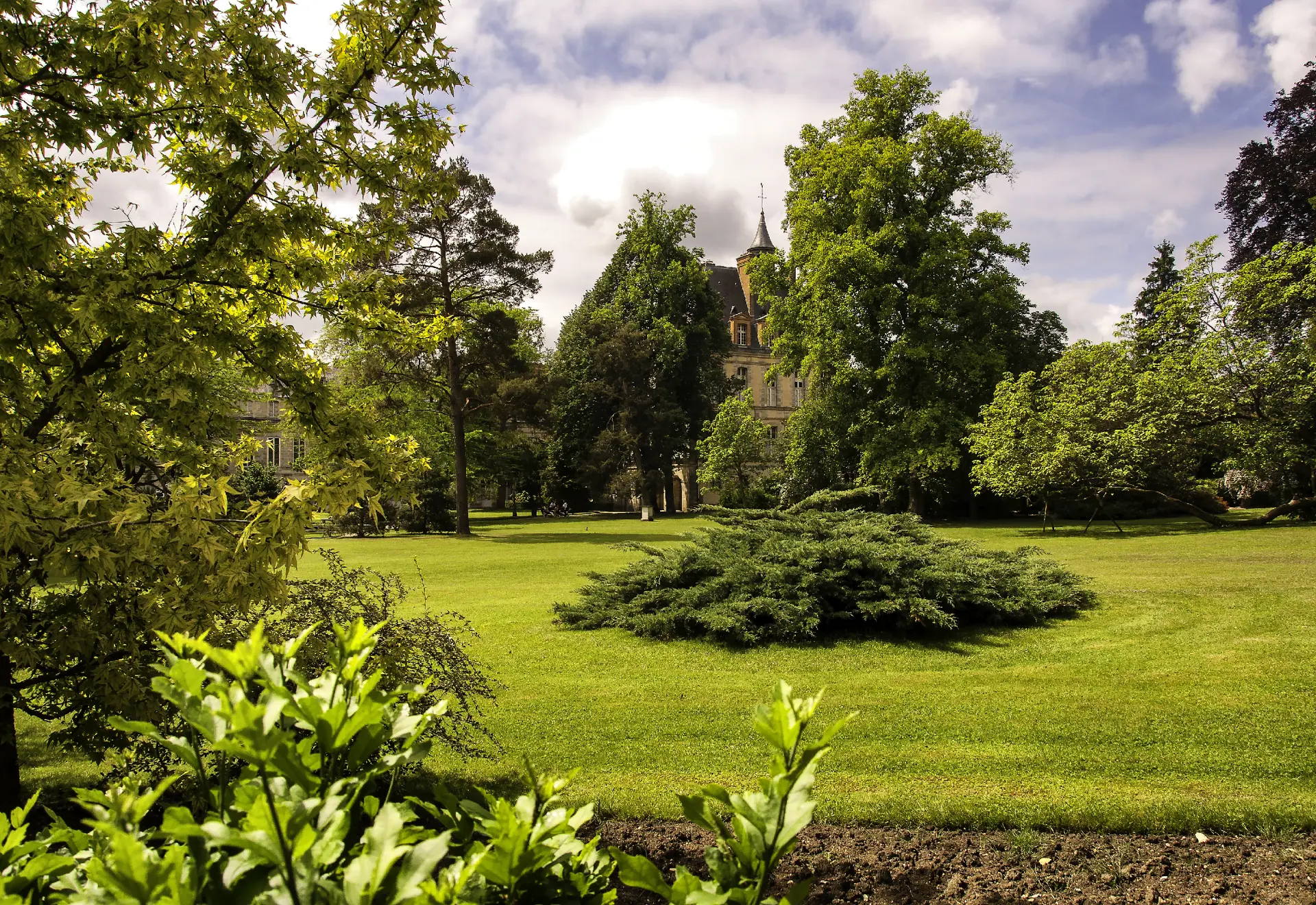
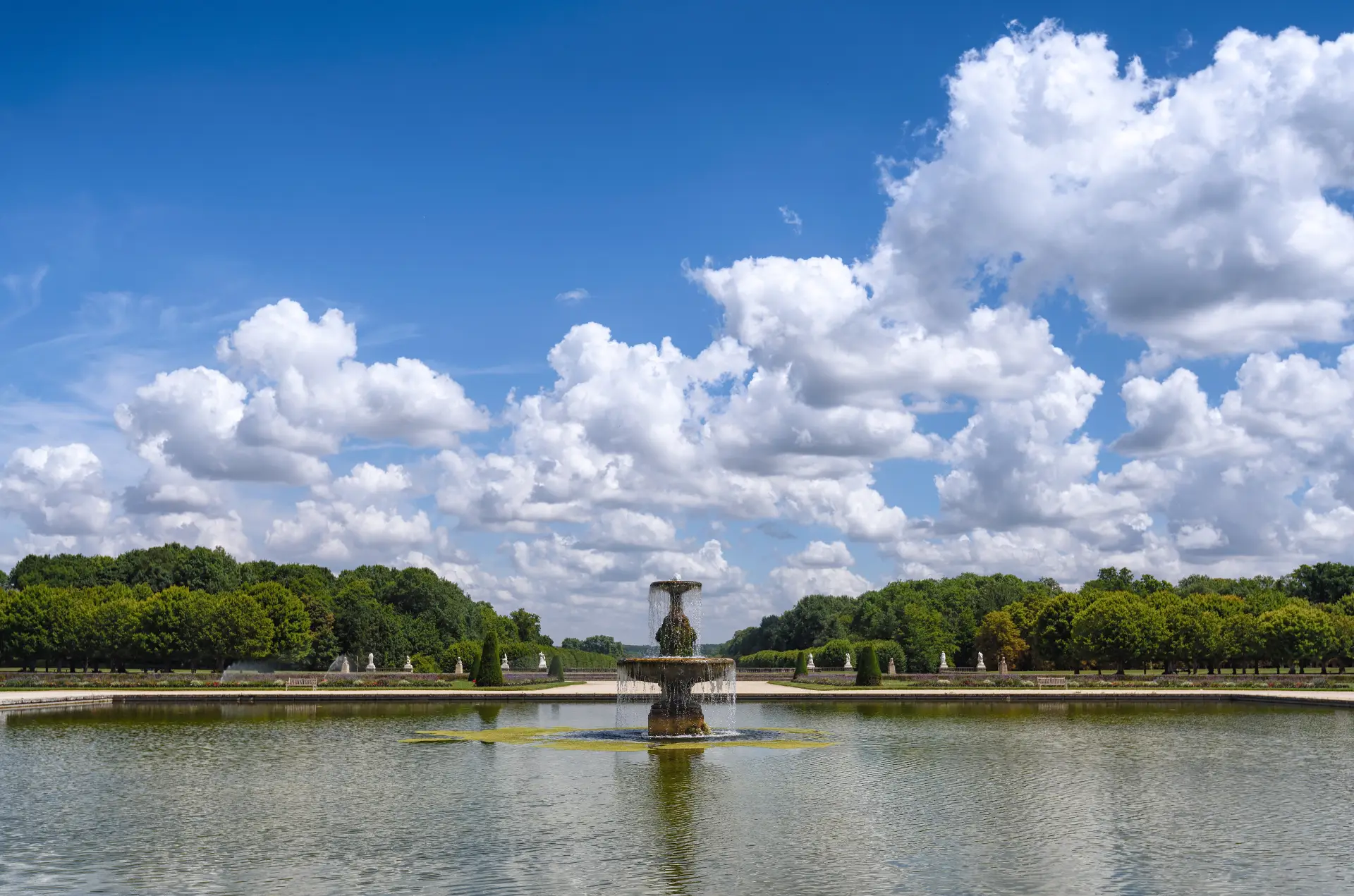
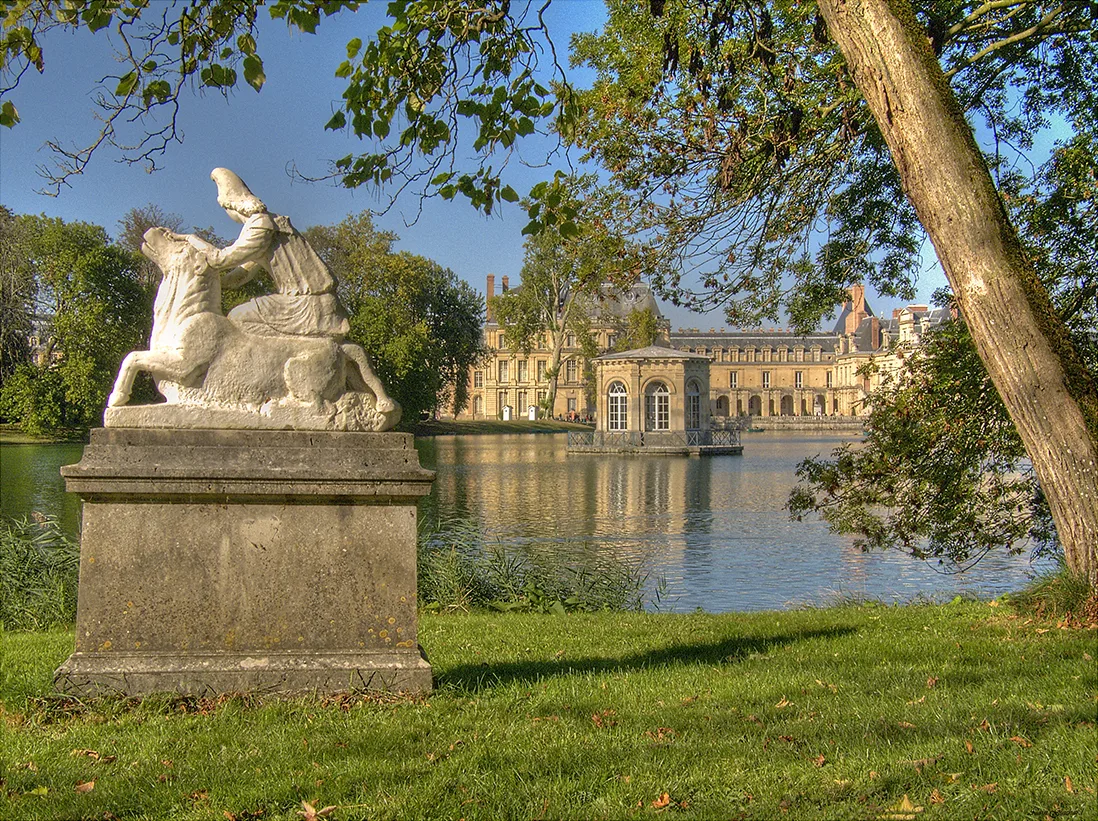
After delving into the palace's secrets, you will have the opportunity to stroll through the château's magnificent gardens and parks. They are considered some of the most beautiful historical parks in France, where every corner invites contemplation. Local lore has it that it was here that kings found solitude from courtly bustle, and the air is imbued with the scent of centuries and blooming roses.
For those who wish to delve even deeper into the history of French châteaux, we can complement the trip with a visit to Vaux-le-Vicomte – a masterpiece of 17th-century French architecture that served as the prototype for Versailles itself. You will learn about the astonishing fate of Nicolas Fouquet, see André Le Nôtre's first formal French gardens with their famous optical illusions, and discover how this very château changed the history of French architecture and became the cause of the king's envy, leading to the creation of Versailles.
Come to Fontainebleau on weekdays, when there are significantly fewer visitors. This will allow you to calmly enjoy the palace interiors and a stroll through the magnificent gardens without the crowds, feeling like a true guest of kings. We await you to unveil this astonishing world!
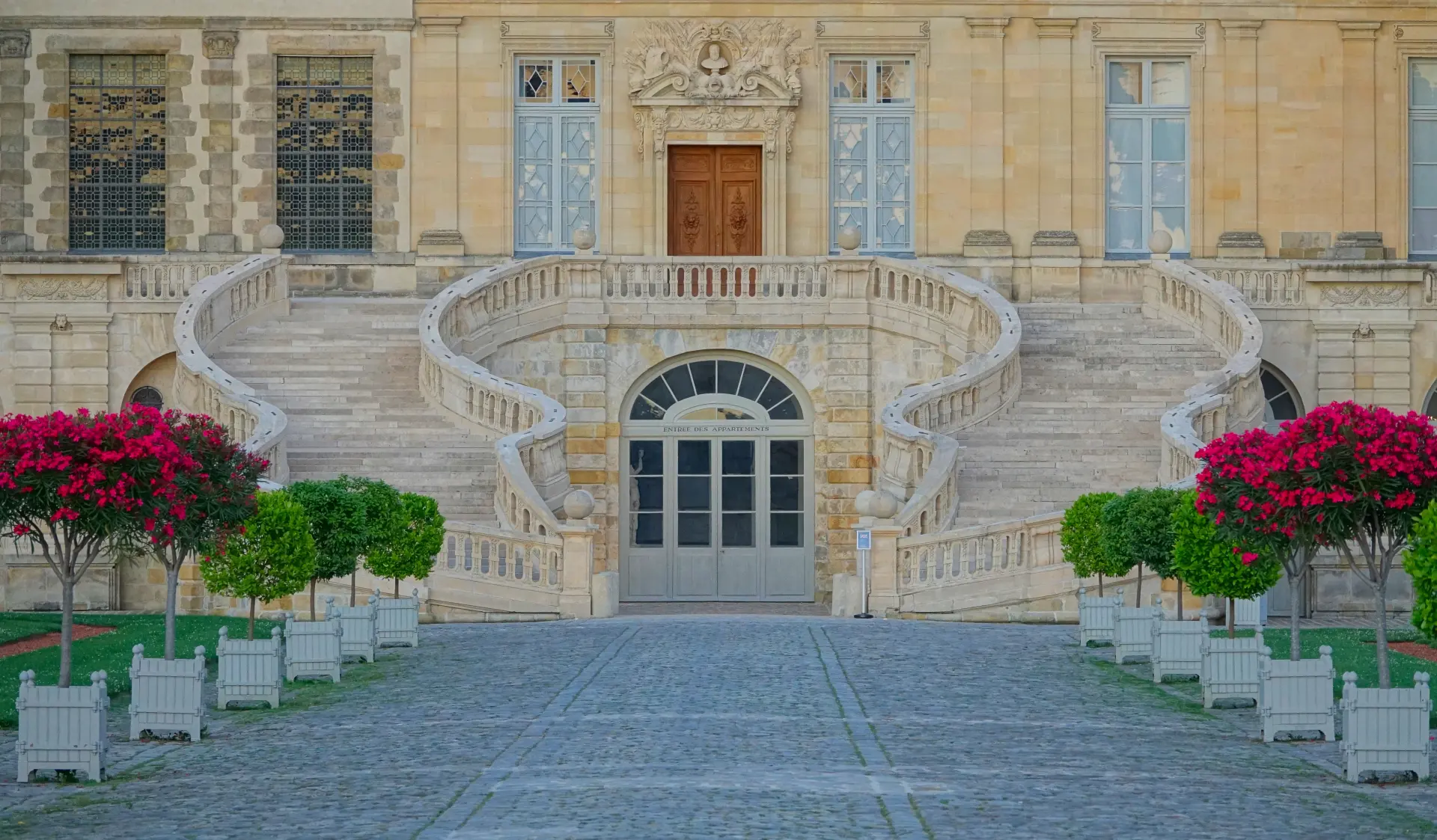
The very stones of the White Horse Courtyard remember April 20, 1814. It was here Napoleon, descending the famed horseshoe staircase, bade farewell to his Imperial Guard. Local lore has it the echo of his “Farewell, my old soldiers!” still whispers, marking the spot where the Emperor left not just a footprint, but a piece of his very soul.
A faint scent of beeswax and centuries-old incense hangs in the air within the Chapel of the Holy Trinity. Above, the frescoes by Fontainebleau masters aren't merely paint; they chronicle royal baptisms, like Louis XIII's. Local lore suggests Primaticcio’s altar holds a cryptic symbol, its meaning guarded until our guide unlocks it.
Stepping into the Gallery of Francis I, you'll be at the heart of the French Renaissance. Ask yourself how a simple gallery became an artistic manifesto that transformed French art? Here lies a secret: it's where the famous School of Fontainebleau originated.
The air in the Ballroom still holds echoes of lavish receptions and royal dances. Here, Henry II and Catherine de' Medici hosted balls, dazzling Europe with luxury and intrigue. Local lore has it that under one fresco, a secret symbol, tied to their complex relationship, remains hidden, still stirring historians' minds.
Prepare to enter the holy of holies – the Royal Apartments, where every corner holds the whispers of centuries. Ask yourself how these rooms, changing owners, have preserved so many unique details? Here lies the secret of Fontainebleau's continuous royal succession.
Enter the Papal Apartments, and you'll immediately feel a special atmosphere. Ask yourself why special chambers for the head of the Catholic Church were created in a royal residence? Here lies the secret of a unique history, connected with faith and Napoleon Bonaparte's political intrigues.
Fontainebleau holds France's *only* throne room that truly remembers Napoleon on his throne. The Emperor transformed Louis XIII's bedroom, filling it with his power symbols: eagles, bees, and the deep crimson velvet. Here, fateful decisions that reshaped Europe were forged. What secrets these gilded walls still whisper, we'll uncover together.
Inside these cases, discover not mere exhibits, but fragments of Napoleon's life. From his campaign bed to his famous hat, uniforms to personal letters—each item whispers his story. Fontainebleau hosted his final days before his first exile. Local lore has it that one object here holds a secret of his last moments, a tale your guide will unveil.
Upon entering the Gardens of Diana, you'll feel palace intrigue give way to serenity. Ask yourself why this garden, named after the goddess of the hunt, became a favorite spot for royal ladies? Here lies the secret not only of its elegant layout but also of many personal stories.
In Fontainebleau, where formal French gardens yield their rigid lines, stretches Napoleon Bonaparte's English Garden. He envisioned a spirit of freedom here. Amidst its winding paths and exotic flora, a grotto lies hidden where, local lore has it, the Emperor concealed his most private letters. Feel the tranquility and glimpse this secret.


Château de Fontainebleau is accessible for strollers and wheelchairs. For visitors' convenience, elevators are available, and barrier-free routes are provided.Fontainebleau is particularly pleasant to visit on weekdays, when there are significantly fewer visitors. This allows for a calm enjoyment of the palace interiors and a stroll through the magnificent gardens without large crowds of tourists.