

Paris — a city of dreams, love, fashion and romance, celebrated in paintings, poetry, songs and novels.
For centuries it has captured the imagination of visitors from around the world. Women’s hearts have long sighed for Paris, while young men dreamed of wielding a sword and the art of seduction with the same flair as the brave musketeers.
Throughout its long history the city has left an indelible mark. Its cobblestone streets remember the Knights Templar and the Communards, while today they are filled with ordinary Parisians hurrying about their daily lives and visitors strolling at a leisurely pace.
To discover the capital of France and see its main landmarks, we invite you to join a panoramic sightseeing tour.
We will outline the main highlights of the excursion, but the exact route and the choice of stops remain at the discretion of the guide.
This street follows the route of the ancient main road of Roman Paris — the Cardo Maximus.
Its name comes from the medieval pilgrimage route to the tomb of Saint James (Saint-Jacques) in Santiago de Compostela in northern Spain.
For millions of pilgrims who began their journey from the Church of Saint-Jacques, this uphill stretch was the first challenge of their pilgrimage.
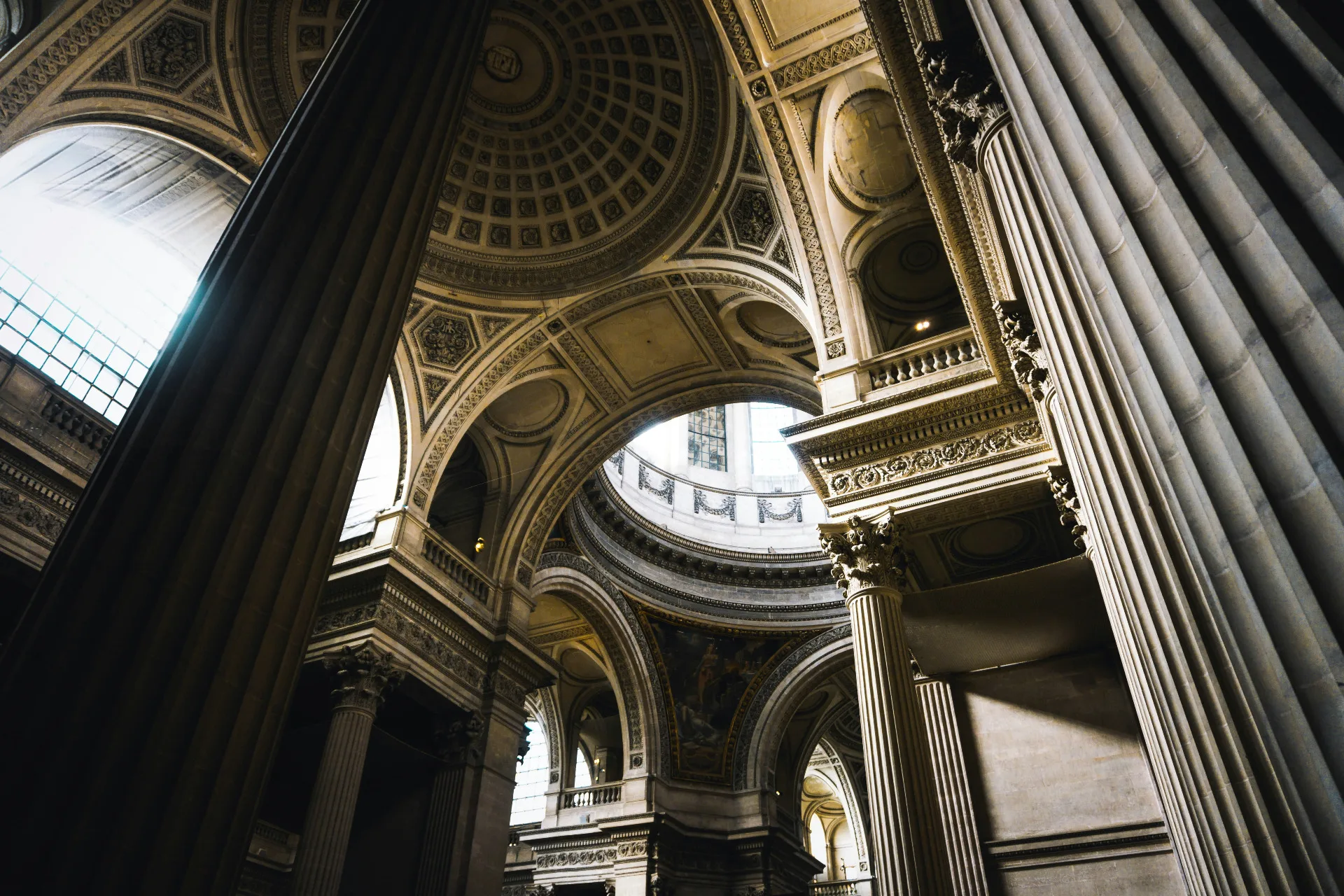
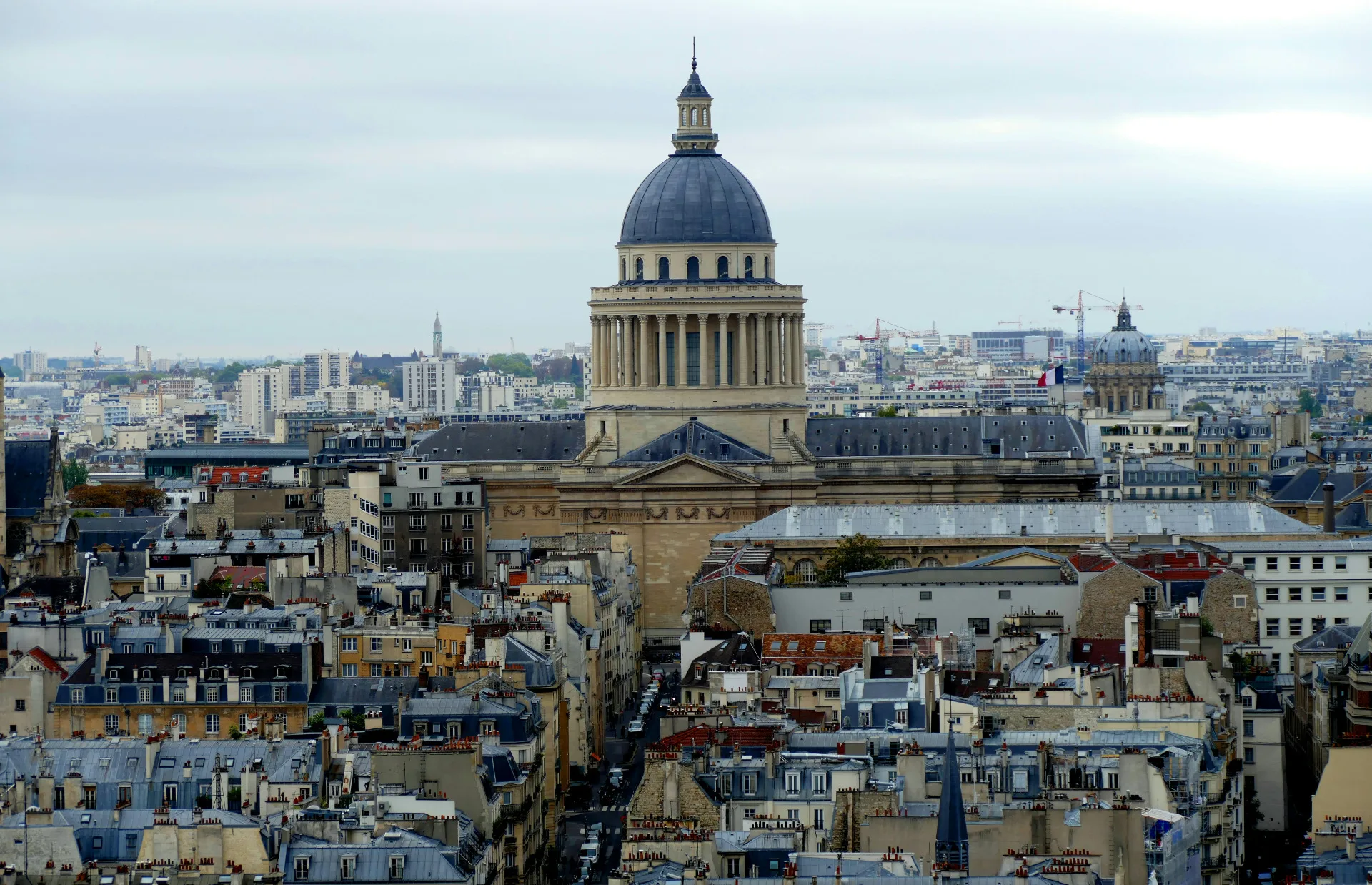
The Panthéon is the burial place of the great figures of France.
Among those resting here are Voltaire, the mathematician Joseph-Louis Lagrange, Pierre and Marie Curie, the writers Alexandre Dumas (father), Émile Zola and Victor Hugo, as well as Resistance heroes Missak and Mélinée Manouchian and many other prominent figures and patriots of France.
Inside the Panthéon you can see Foucault’s pendulum, which demonstrates the daily rotation of the Earth.
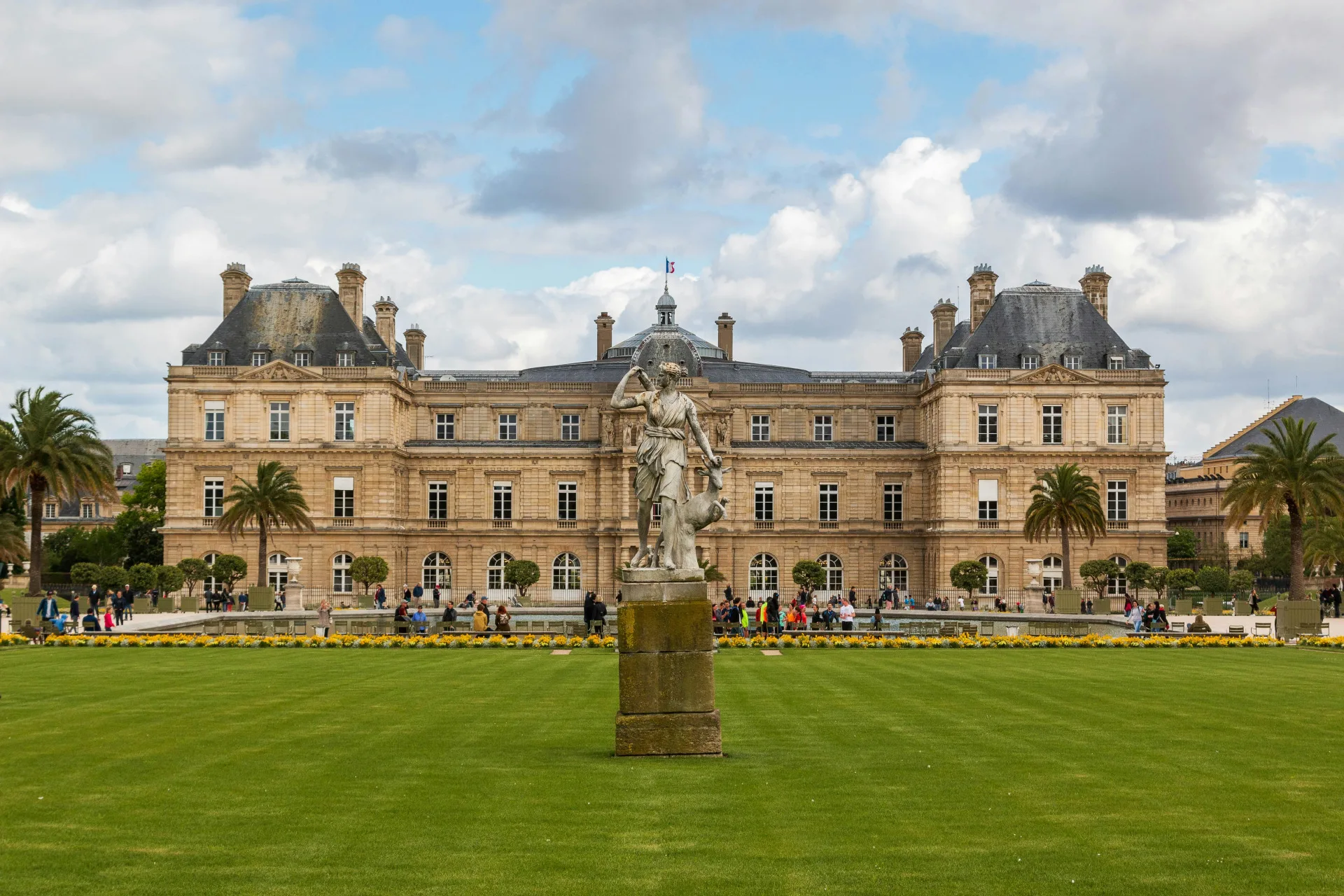
One of the most beautiful parks in Paris, perfect for a leisurely walk and for discovering many interesting sights.
Here you will find the Luxembourg Palace built by order of Marie de Medici, a large fountain basin, numerous statues of French queens, a Statue of Liberty by the sculptor Bartholdi, and the romantic Medici Fountain.
The Military School is a complex of buildings founded during the reign of Louis XV.
Its most famous student was Napoleon Bonaparte.
A vast open area stretching from the Military School to the Eiffel Tower.
It was named during the reign of Louis XV after Mars, the Roman god of war.
Originally it served as a parade ground for military exercises and was also used for experiments promoting the cultivation of potatoes in France.
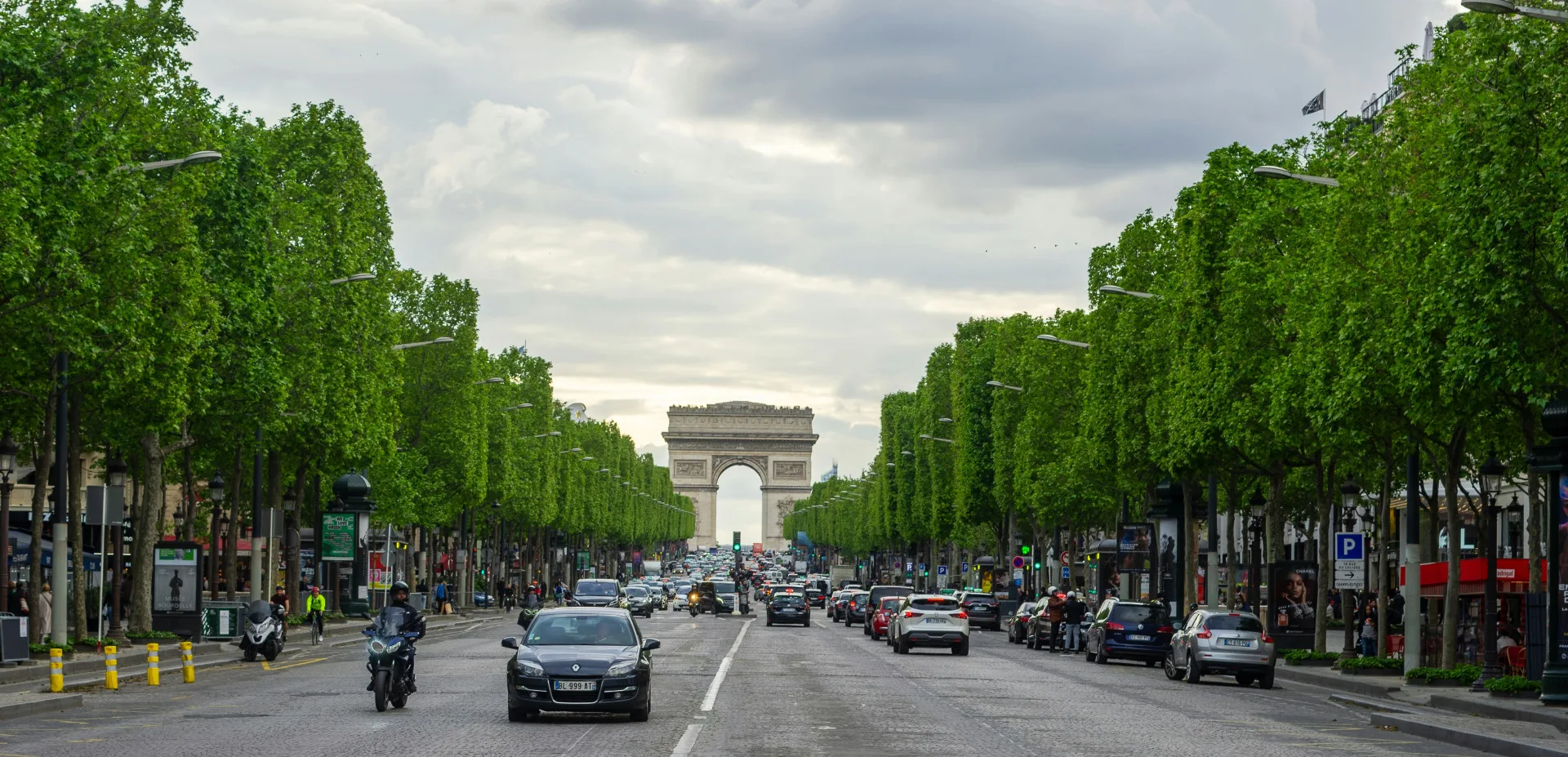
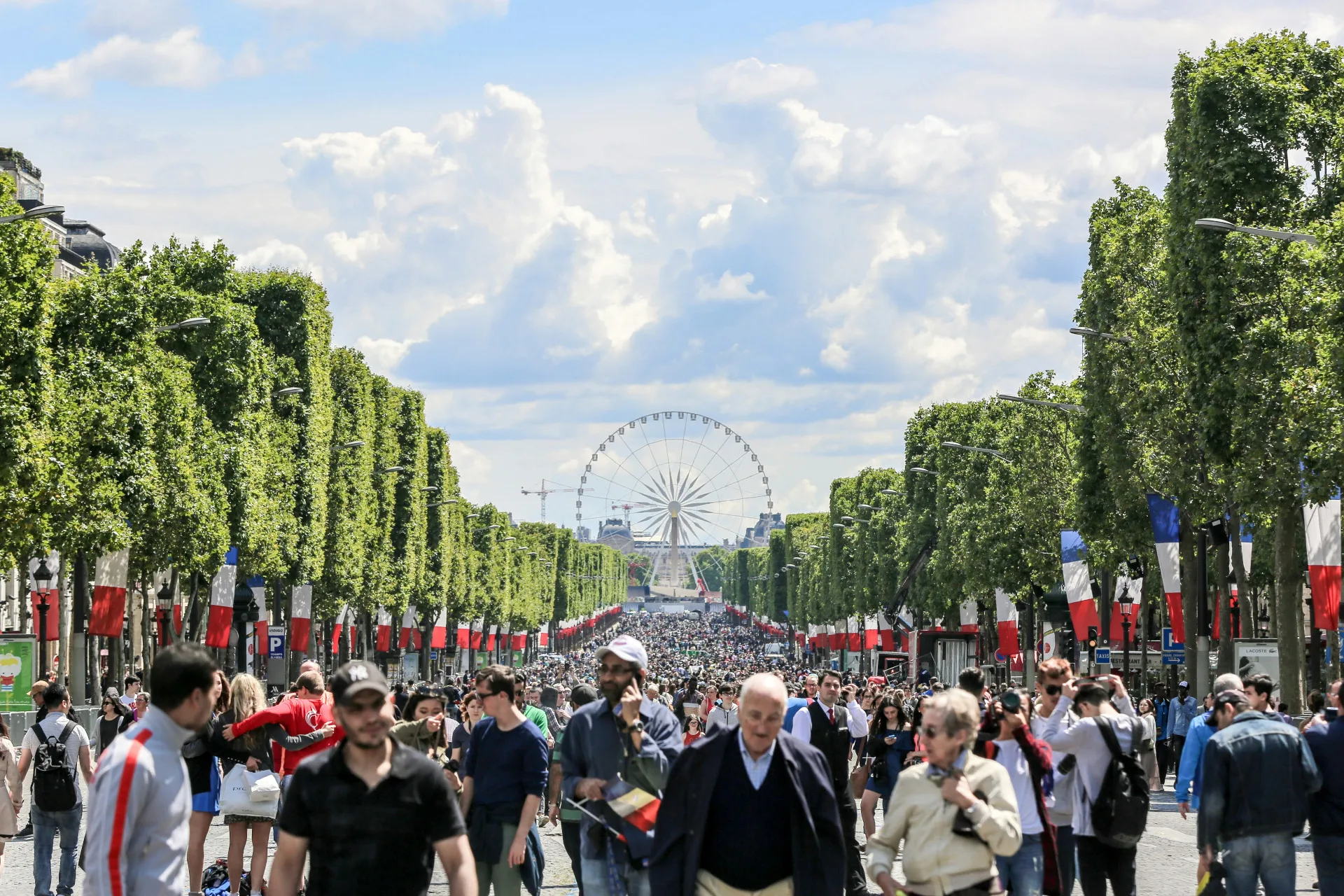
Oh, the Champs-Élysées! The most famous and one of the most beautiful avenues in the world, lined with plane trees.
Its elegant atmosphere, boutiques, theatres and cafés leave no visitor indifferent.
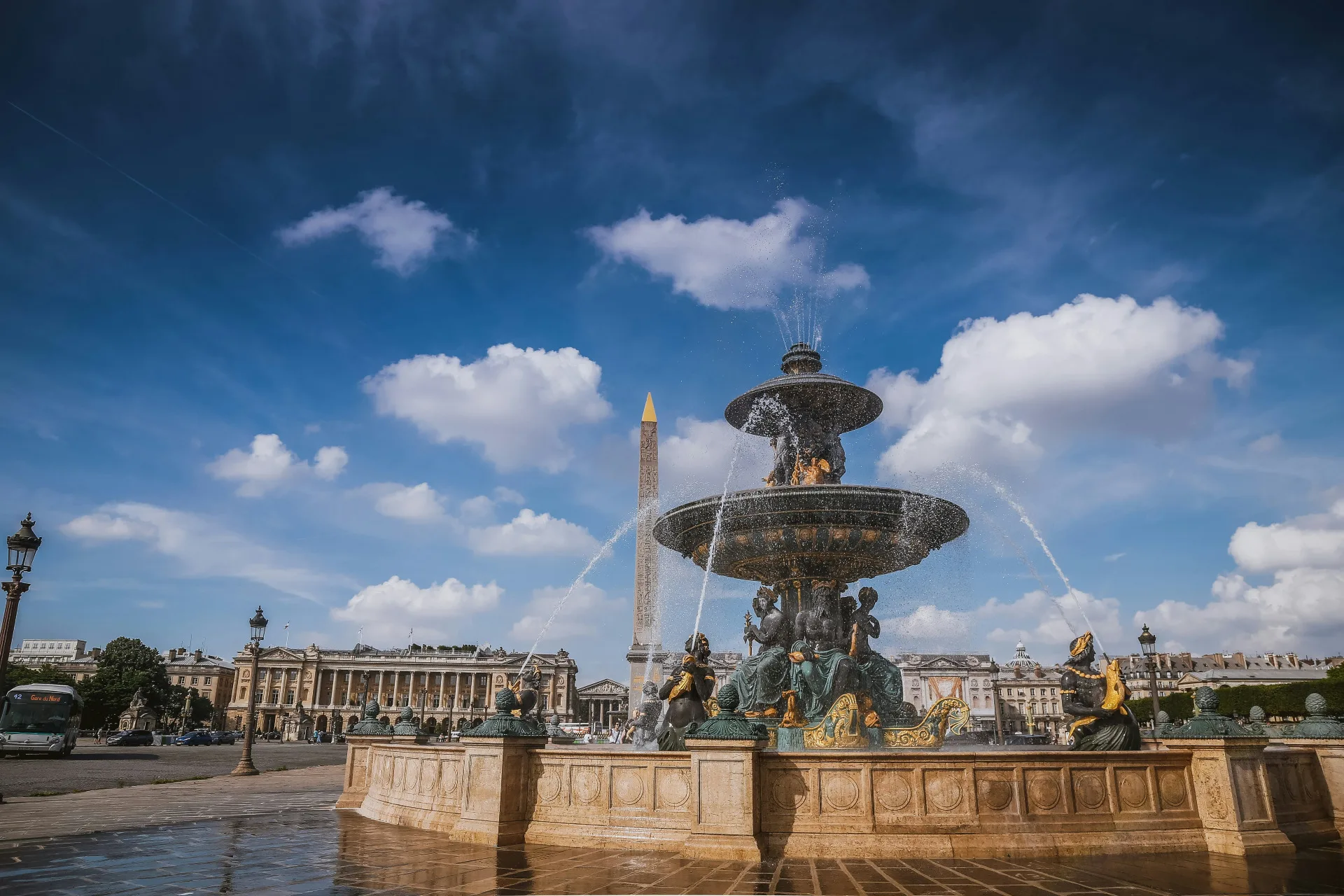
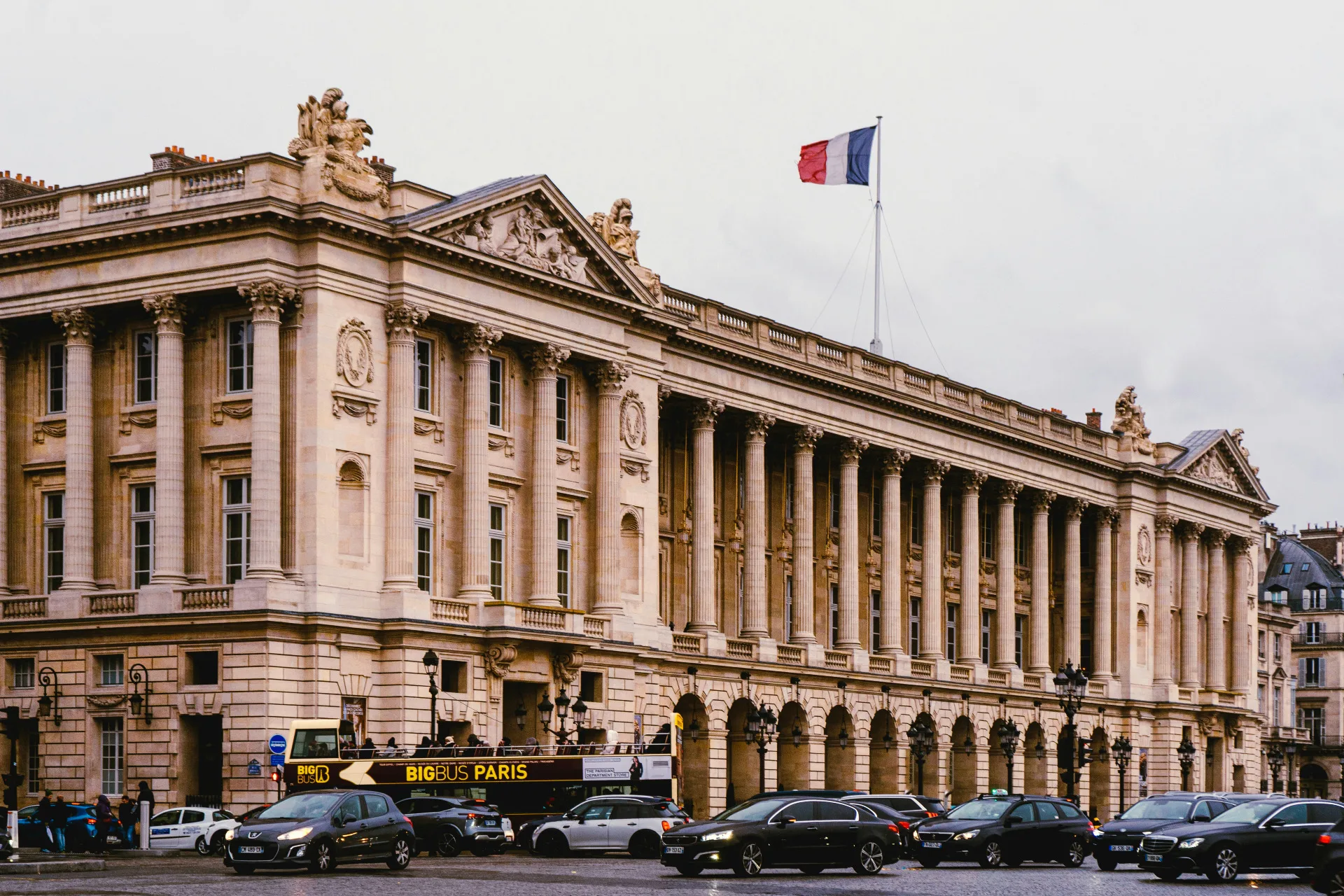
The largest square in Paris and home to one of the city’s oldest monuments — the Egyptian Luxor Obelisk.
During the French Revolution, the guillotine stood here, and King Louis XVI, Marie-Antoinette and more than a thousand victims of the Revolutionary Terror were executed on this square.
The Church of La Madeleine is one of the most unusual churches in Paris.
It has no side windows, and the light enters through the vault above. The building measures 108 meters in length, 43 meters in width and about 30 meters in height.
Originally Napoleon intended it to be a Temple of Glory.
The Parisian boulevards and arcades were built on the site of the city’s former defensive walls.
They form a large arc stretching from the Madeleine Church in the west to the Bastille Square in the east.
Along them you will find countless cafés, museums, arcades, restaurants and shops.
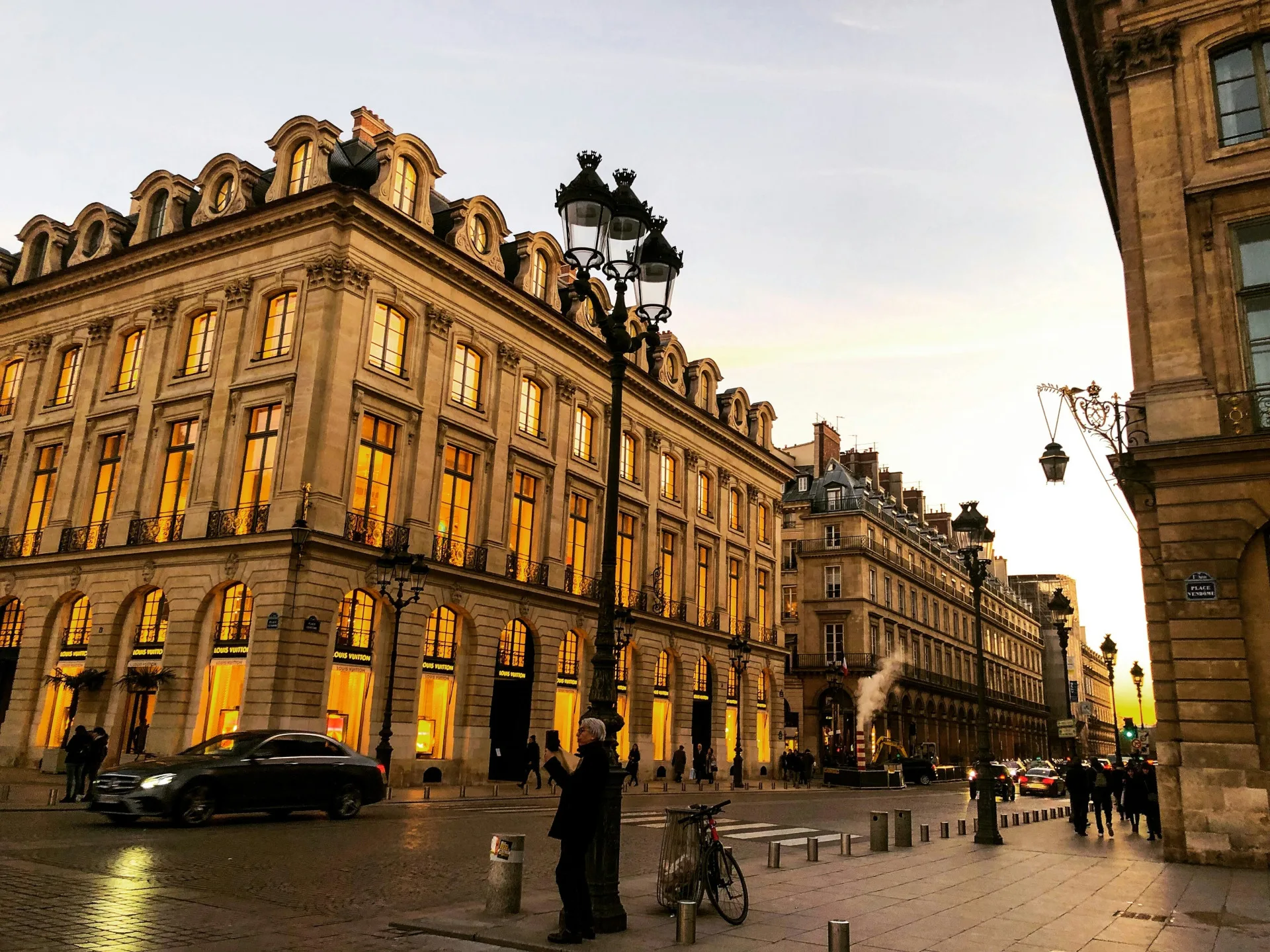
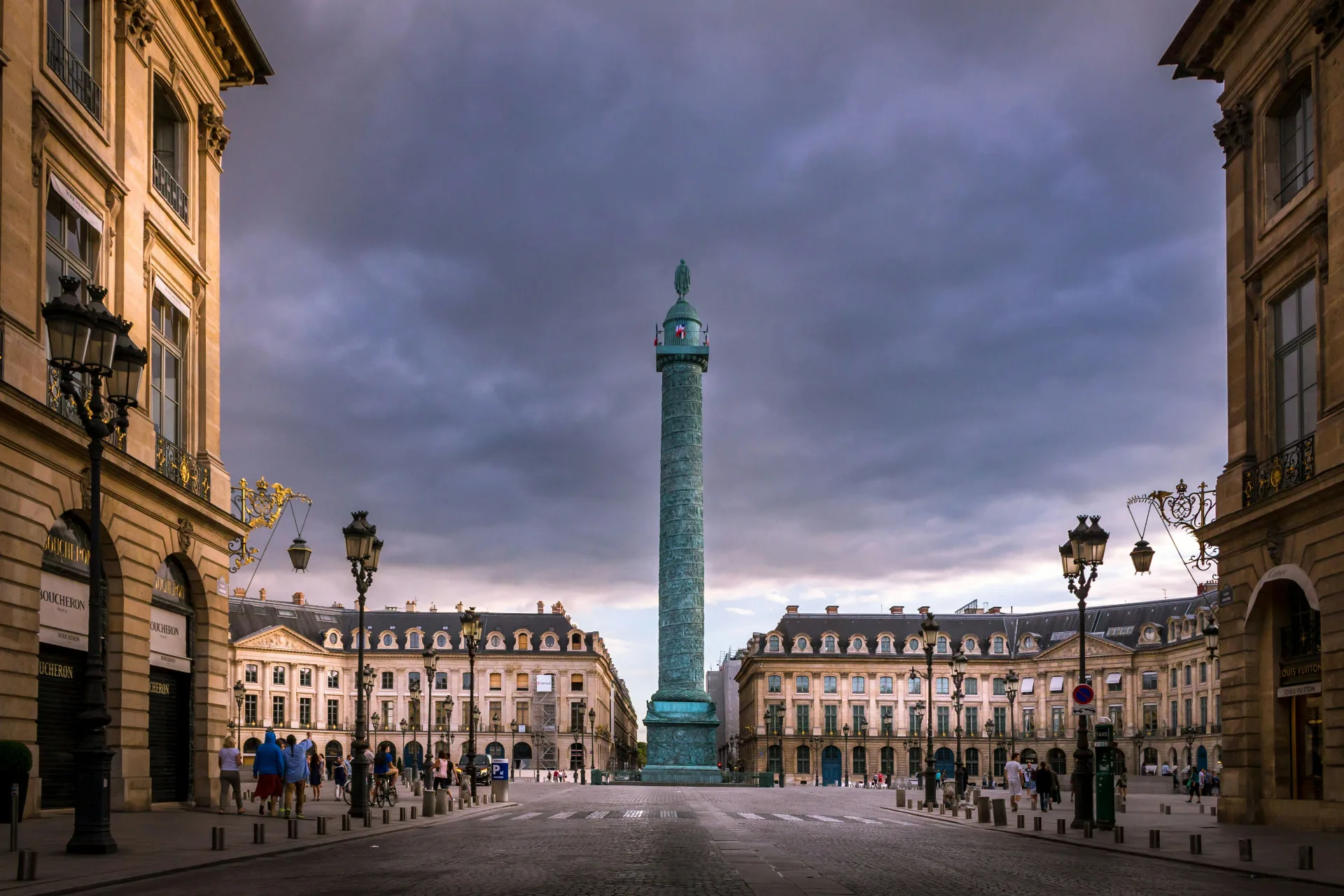
Designed by the architect Jules Hardouin-Mansart in 1699, Place Vendôme is famous for its luxury boutiques and the legendary Ritz Palace Hotel.
It is also believed that the first mansard roofs appeared here.
The octagonal stopper of the Chanel No. 5 perfume bottle echoes the shape of the square. In the center stands the 44-meter Vendôme Column topped with a statue of Napoleon.
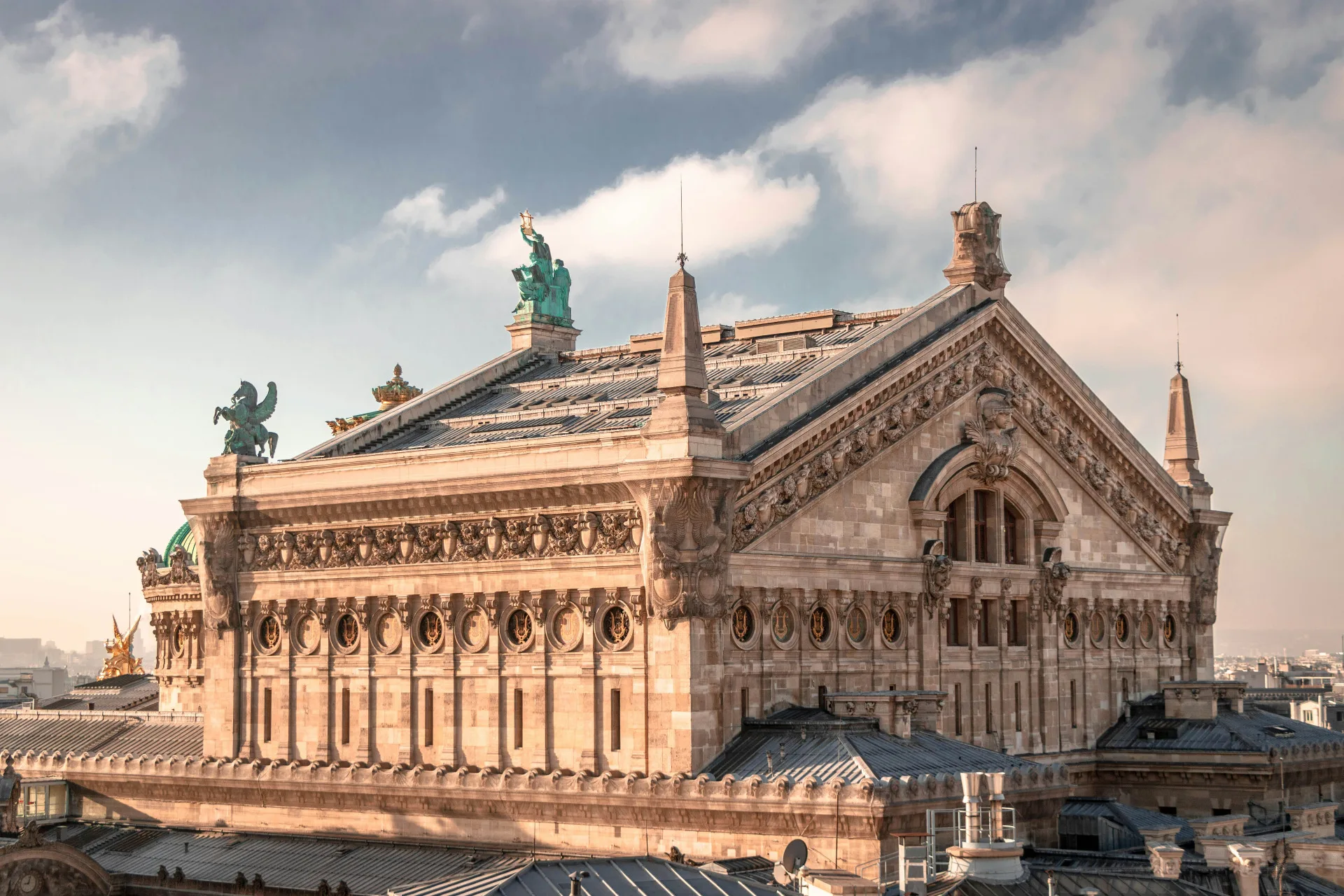
The Palais Garnier, opened in 1875, is one of the most spectacular theatre buildings in Paris.
Its lavish interior immerses visitors in the splendour of the Belle Époque.
The opera house is famous for the ceiling painted by Marc Chagall, its monumental marble staircase, rich gilding, onyx balconies and luxurious red velvet theatre seats.
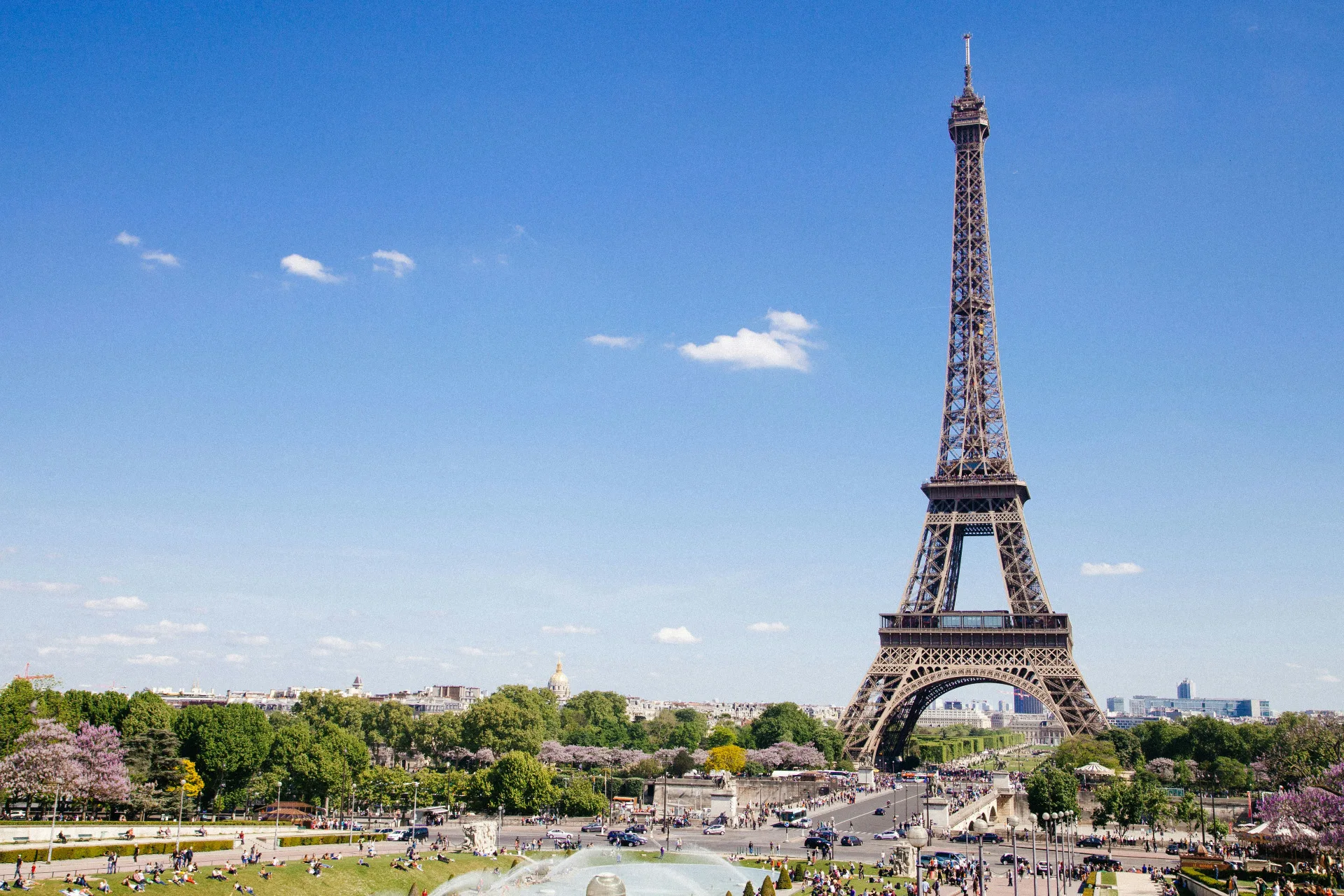
From the Trocadéro Square, named after the French victory at Trocadéro in 1832, you can enjoy one of the most beautiful views of the Eiffel Tower.
It is the perfect place to take memorable photos.
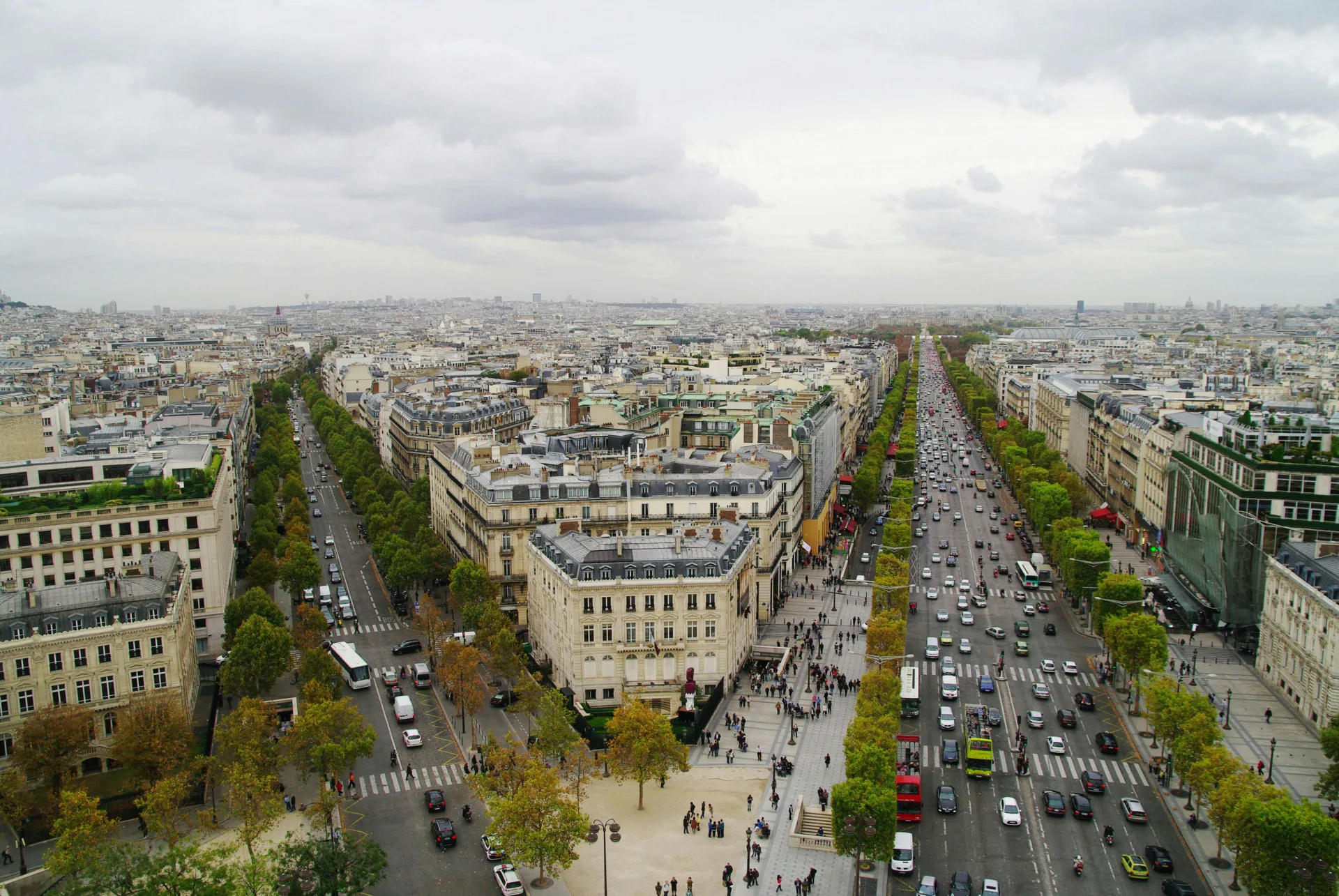
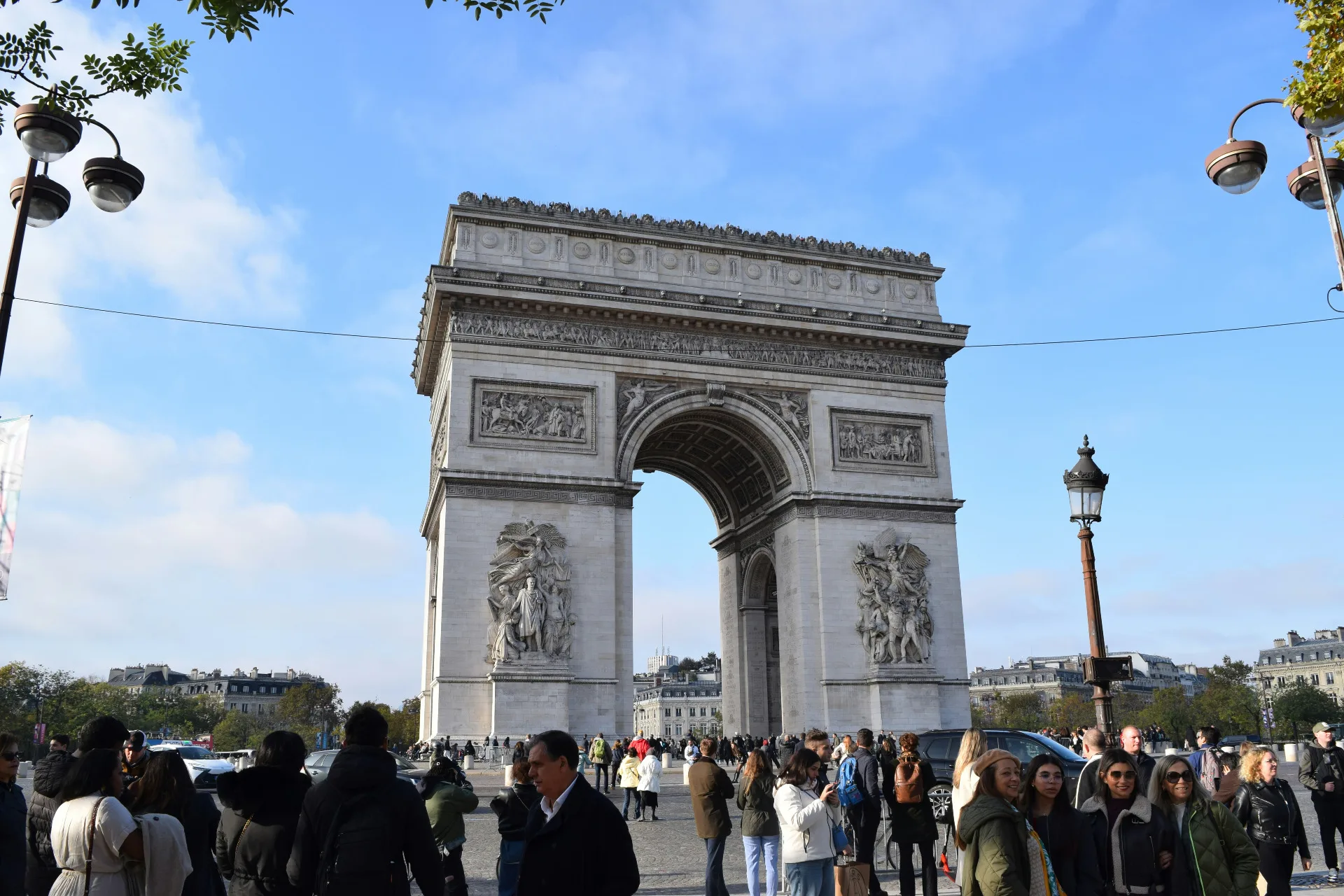
The Arc de Triomphe was commissioned by Napoleon to celebrate the victories of his Grande Armée.
It stands on Place Charles de Gaulle, also known as Place de l’Étoile, because twelve grand avenues radiate from the square like the rays of a star.
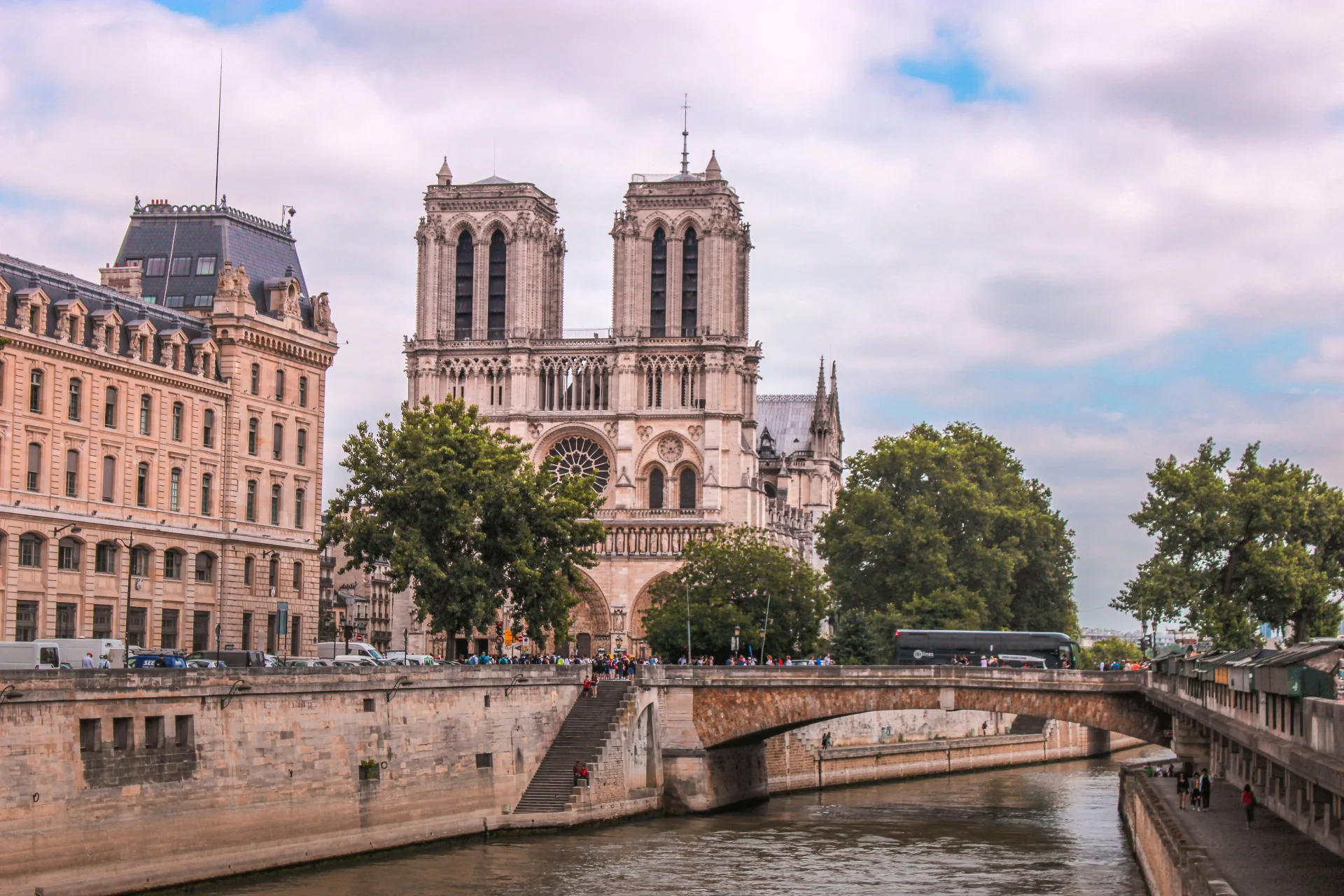
The most visited Catholic cathedral in the world and one of the most famous landmarks in Europe. Its architecture became a model of the Gothic style.
The cathedral houses one of the most important relics of Christianity — the Crown of Thorns.
The cathedral was fully restored after the fire of April 15, 2019.