

As the French used to say: “Sur la Rive Gauche on pense, sur la Rive Droite on dépense” — on the Left Bank we think, and on the Right Bank we spend money.
That is why our walk will take us to the Left Bank, to the famous Latin Quarter, which received its name from Latin — the language in which all subjects were taught at the university and the common language used by professors and students.
Here you will discover ancient Roman baths, medieval churches, Haussmann’s wide boulevards, the narrowest street in the city, as well as the majestic Panthéon, the Sorbonne, Hemingway’s house, and the Luxembourg Palace.
During the tour you will visit or see the following landmarks.
We will outline the main stops of the excursion, but the exact route and the choice of interior visits or exterior viewing remain at the discretion of the guide.
This chapel was built by order of King Louis IX (Saint Louis) to house sacred relics, including the Crown of Thorns stained with the blood of Christ.
The chapel’s magnificent stained-glass windows are truly breathtaking. You may visit the interior on your own or by booking a separate guided tour.
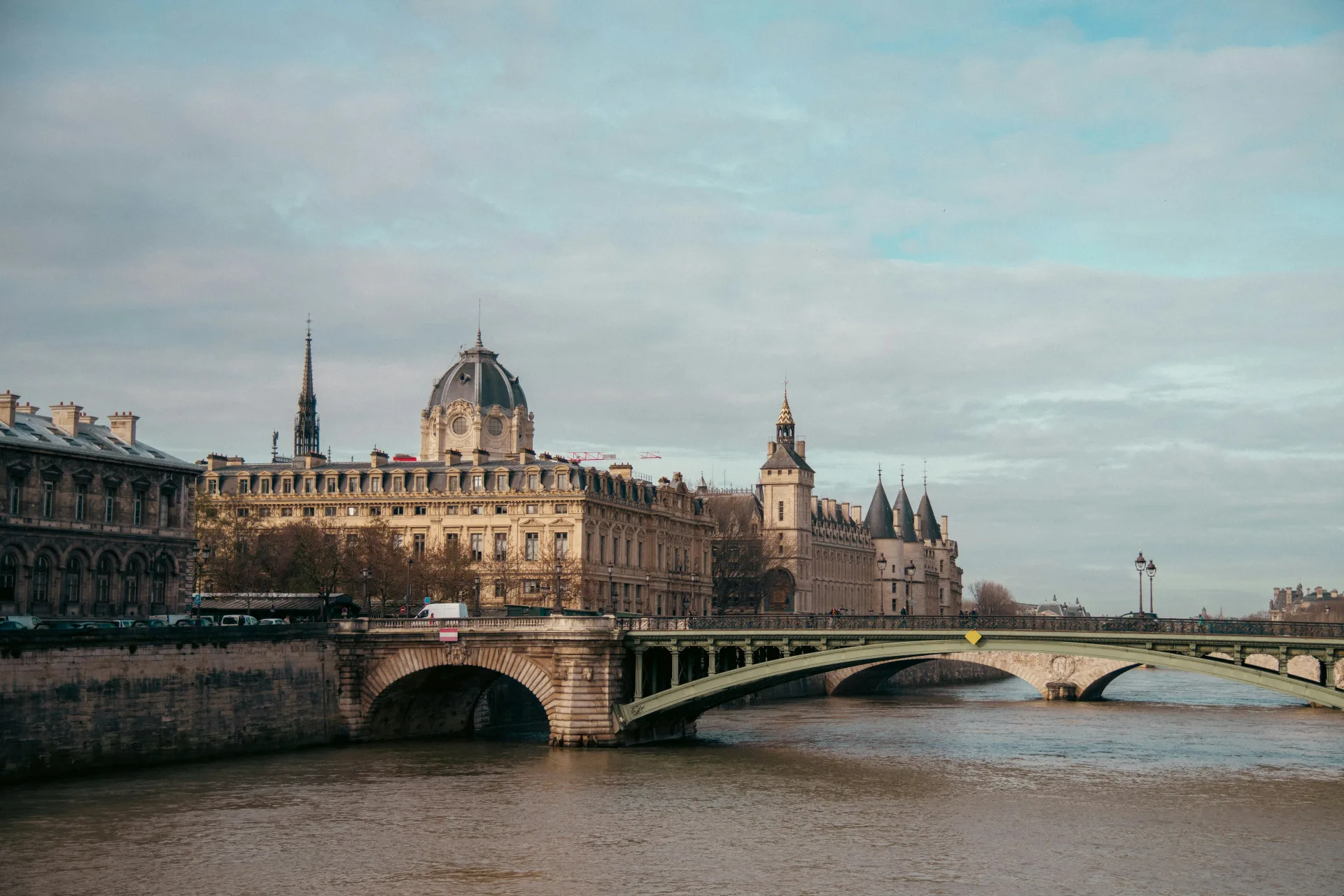
The history of the Conciergerie dates back to the beginning of the 6th century, when Paris first became an official royal residence and a palace for the Frankish king Clovis was built on the Île de la Cité.
The word “concierge” itself originated from this palace. It appeared in royal charters during the reign of Philip II Augustus (12th century) and referred to a court official responsible for administering “minor and intermediate justice” within the castle.
The oldest clock in Paris is located on the Palace of the Cité on Île de la Cité. It was commissioned by Charles V in 1370 for the north-eastern tower of the palace.
Designed by Henri de Vic, it was installed in 1371. The clock is considered the first public clock in Paris and became a symbol of the French monarchy asserting its royal authority and independence from the Church.
The flower market in central Paris has existed since 1808.
In 2014, the Flower and Bird Market was renamed in honor of Queen Elizabeth II of the United Kingdom, a great lover of flowers.
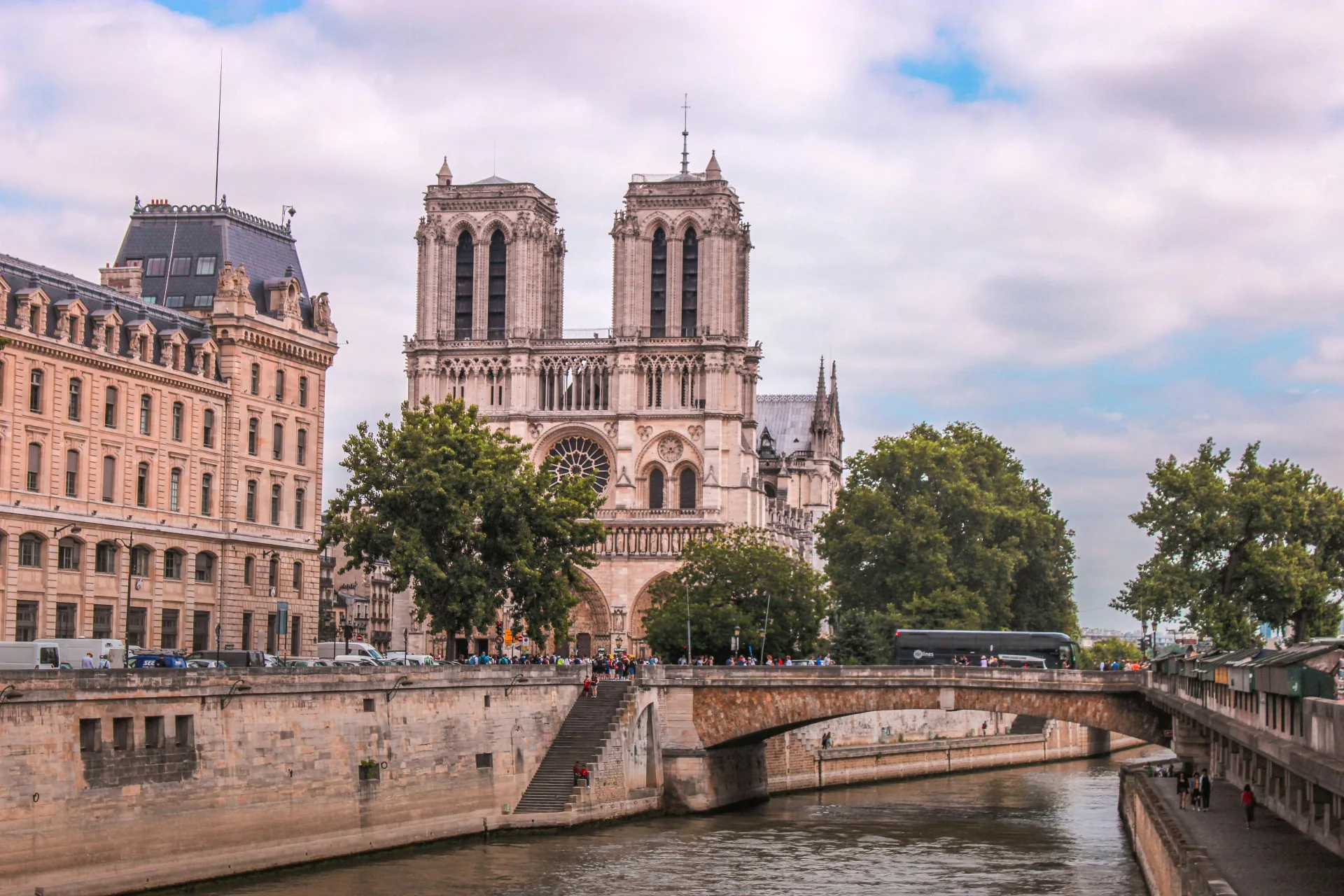
One of the main symbols of the French capital, the cathedral was built on the foundations of a Gallo-Roman temple dedicated to Jupiter.
Here you will hear fascinating stories about the young blacksmith Biscornet, and learn about the unusual wedding ceremony of Henry of Navarre and Marguerite de Valois, as well as the coronation of Napoleon.
This church, whose vaults once witnessed the presence of Thomas Aquinas and Dante Alighieri, author of the Divine Comedy, has been active since 1170.
Today it belongs to the Greek Catholic community, so do not be surprised to see Orthodox icons inside.
In the small square next to the church stands the oldest tree in Paris — a black locust tree planted in 1601 by the botanist and royal gardener Jean Robin.
A true institution of Paris, Shakespeare and Company is both a café and a bookstore specializing in English-language literature.Since 1951, it has been a famous meeting place for Anglophone writers.
You will hear the fascinating and somewhat mystical legend behind the name of this tiny street, as well as a medieval student superstition said to guarantee success in examinations.
One of the most beautiful fountains in Paris, designed by the architect Gabriel Davioud, it has long been a favorite meeting place for friends and romantic couples.
The famous University of Paris, founded in the 13th century by the royal theologian Robert de Sorbon.
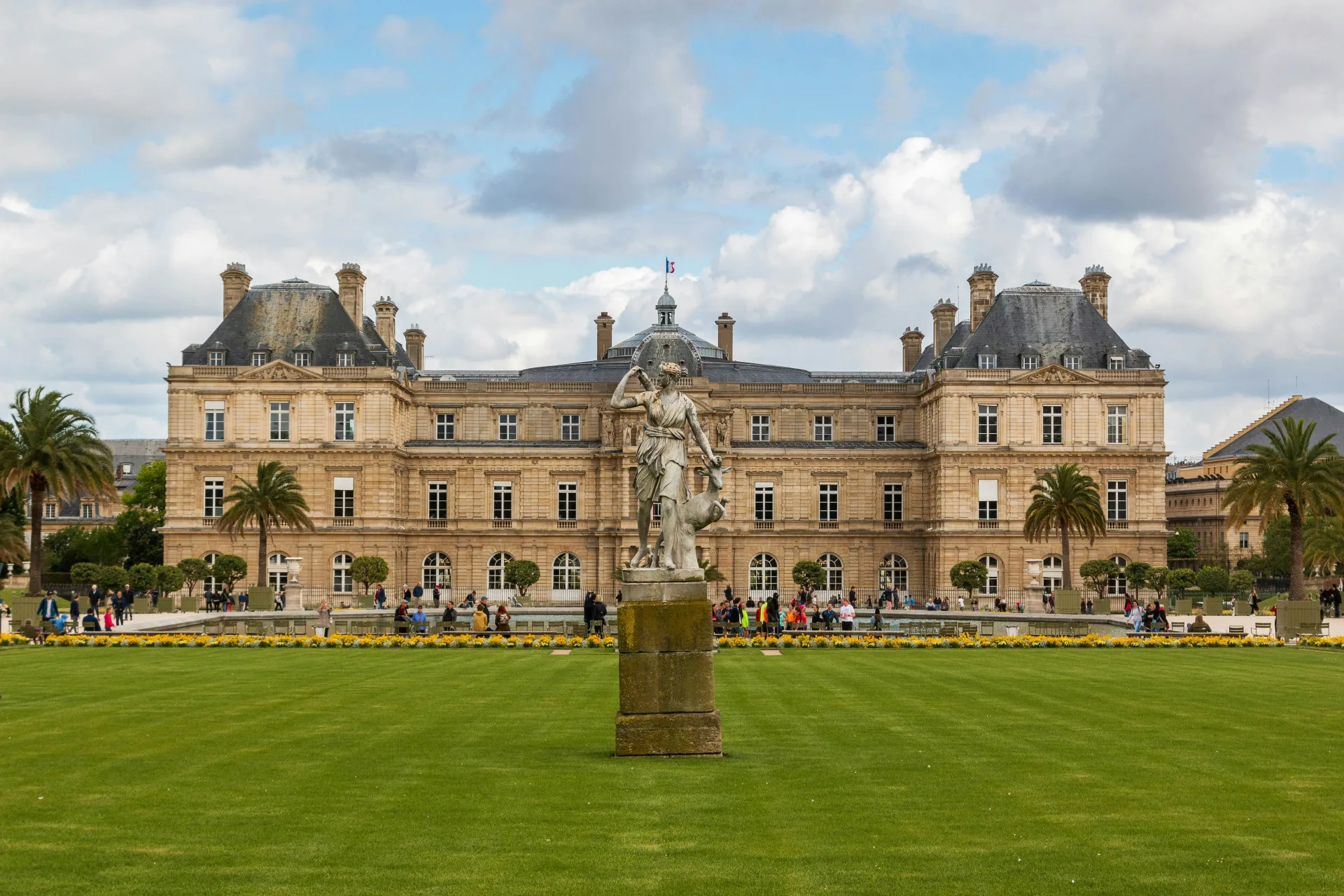
Covering 26 hectares, the gardens are a favorite place for Parisians of all ages as well as visitors.
Here you will find the magnificent Luxembourg Palace, the romantic Medici Fountain with the statue of Polyphemus, a Statue of Liberty, and the famous green chairs.
These chairs were once rented for a small fee, which is why the young and still unknown Amedeo Modigliani and Anna Akhmatova, at the beginning of their acquaintance, preferred to sit on the free benches.