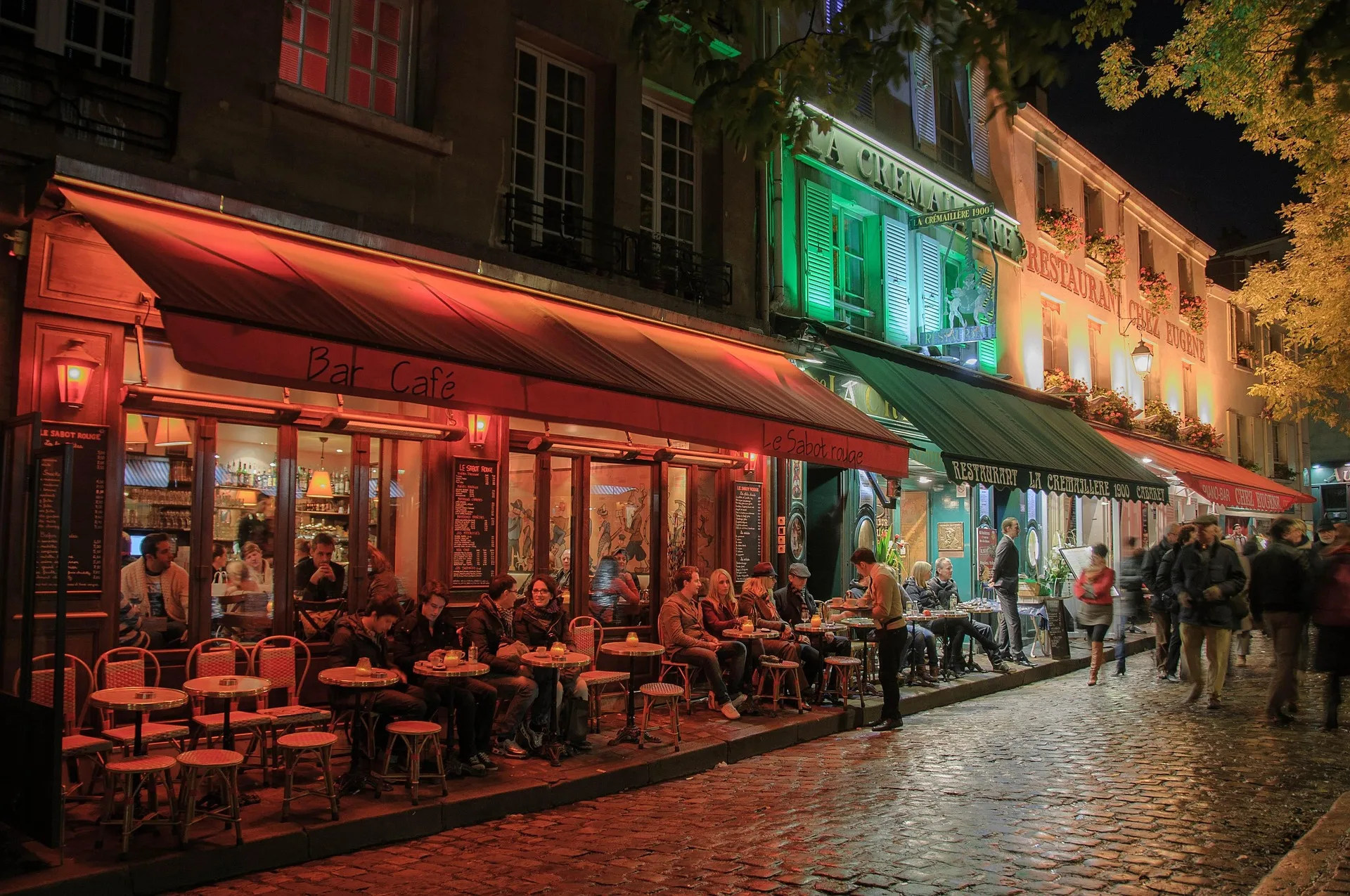
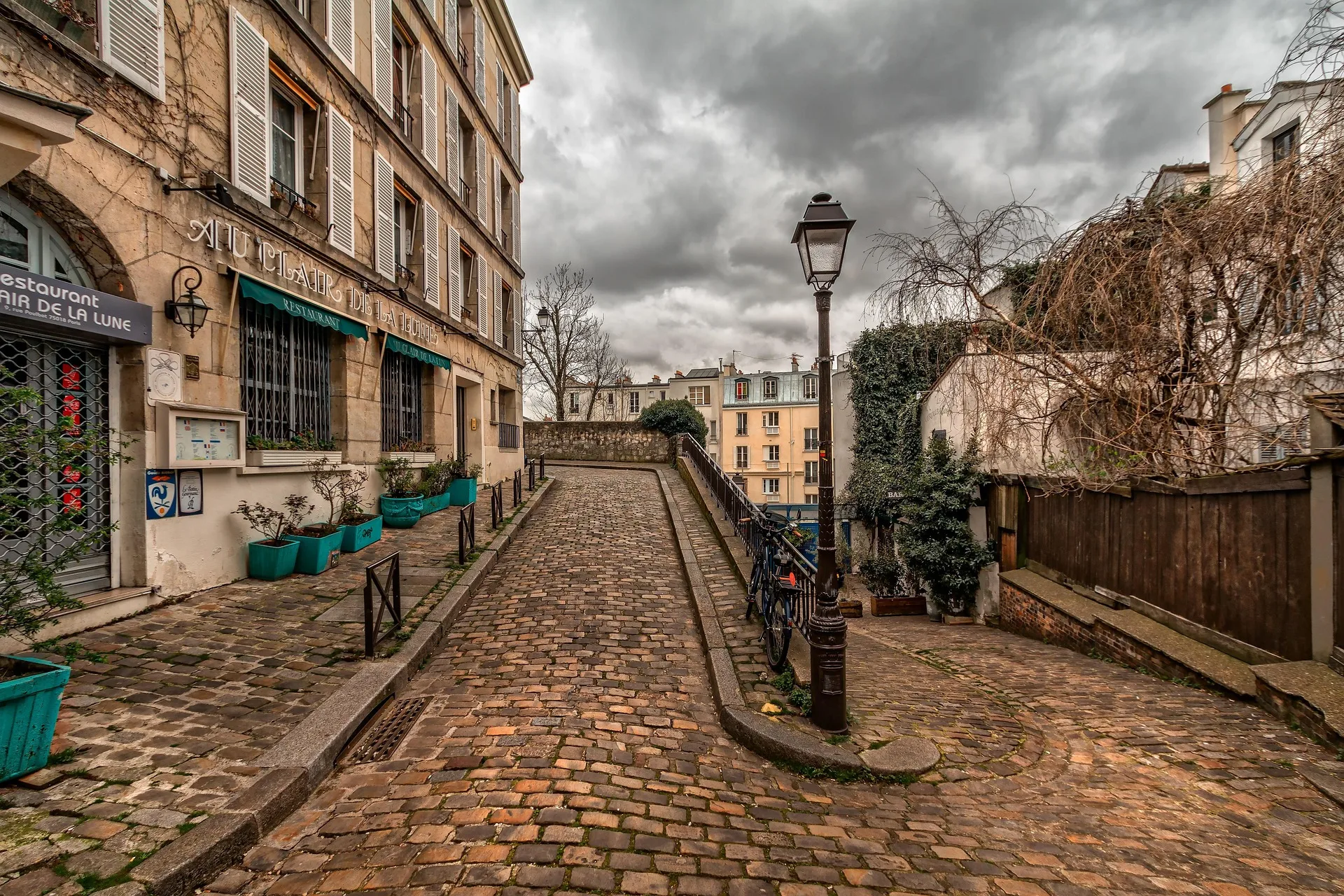
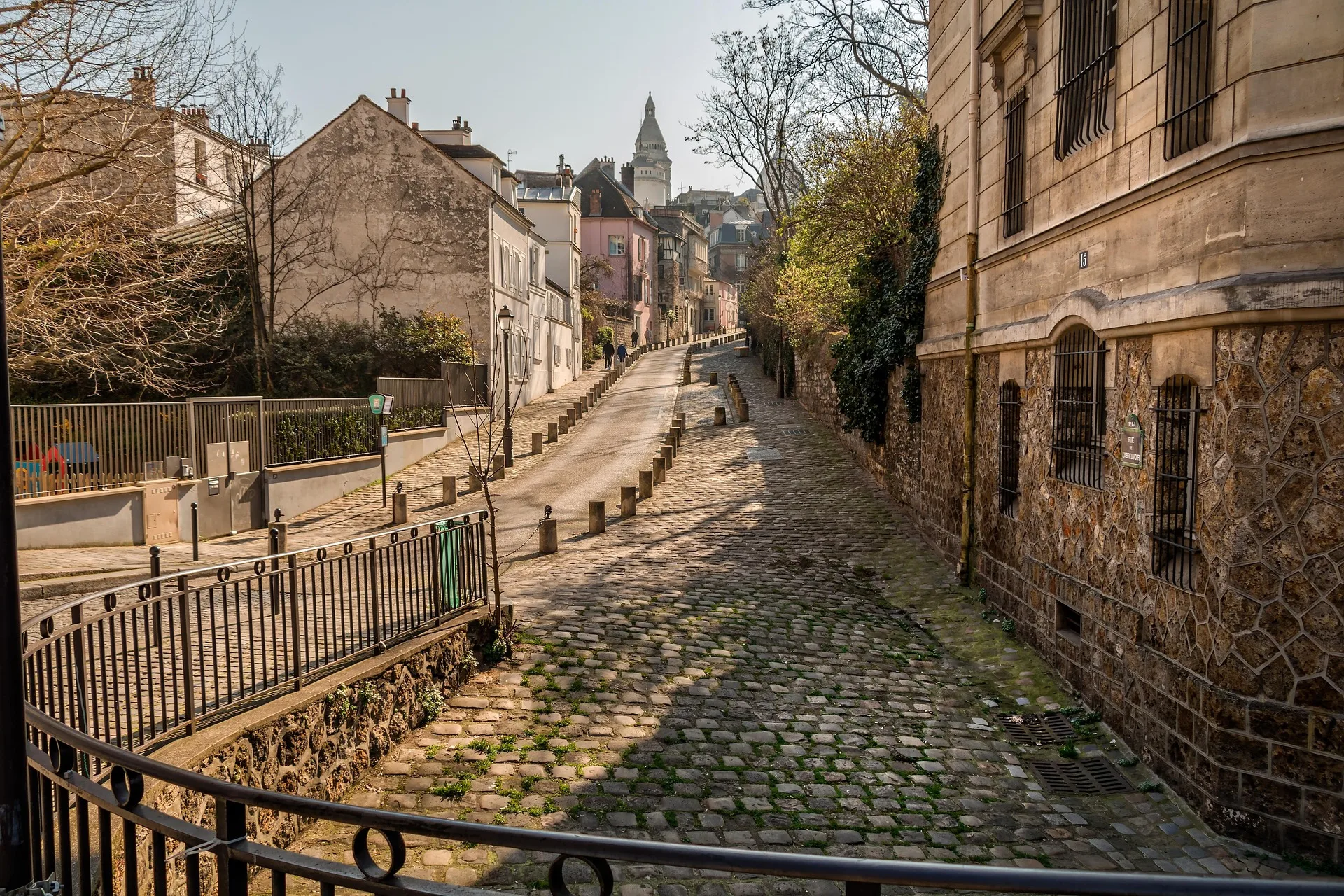
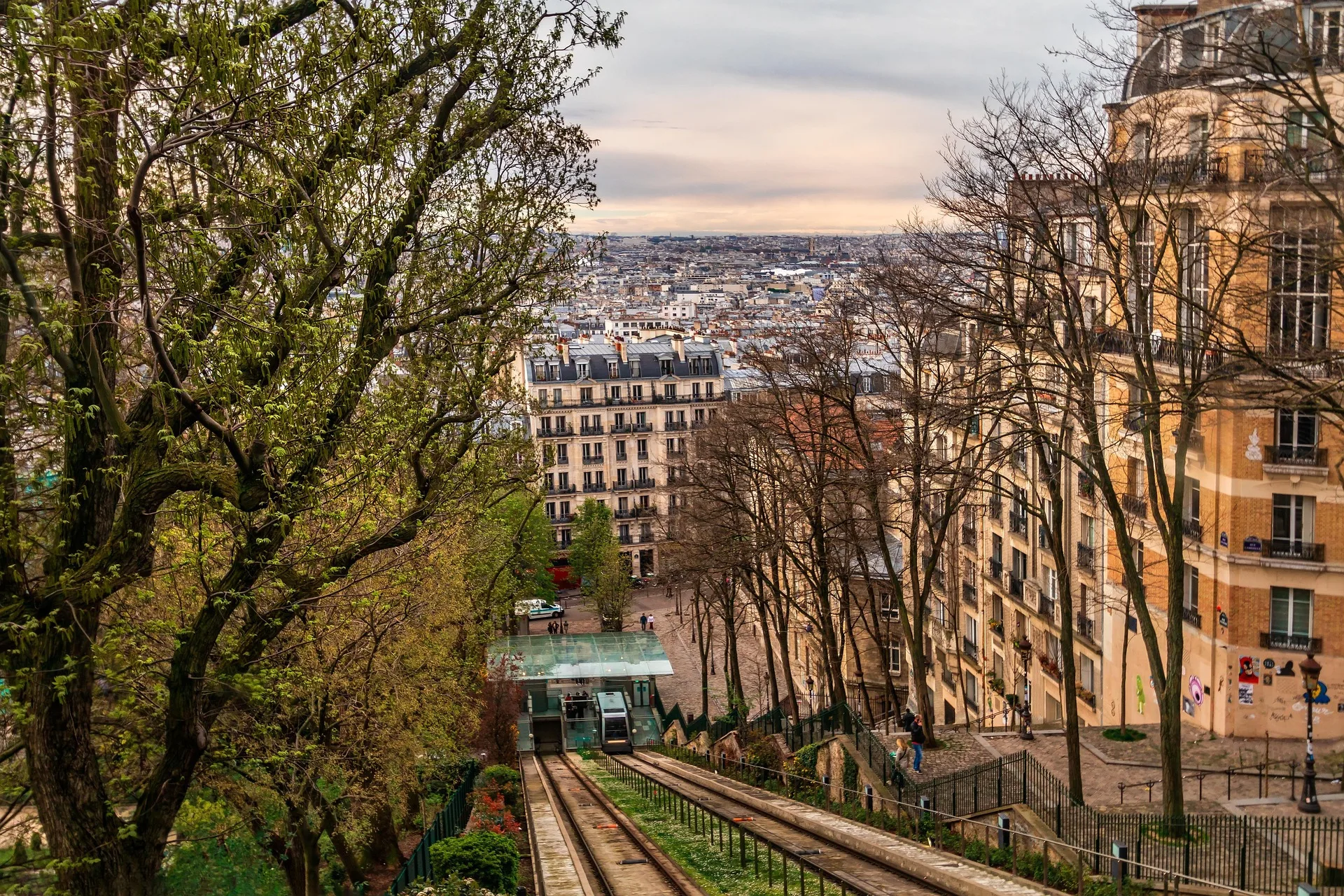
The famous Montmartre — a former haven of bohemians, the birthplace of the Jesuit Order and Cubism...
The small village of Montmartre became part of Paris in 1860. Secluded and remote from the city center, the area attracted artists, poets, and musicians from all over the world.
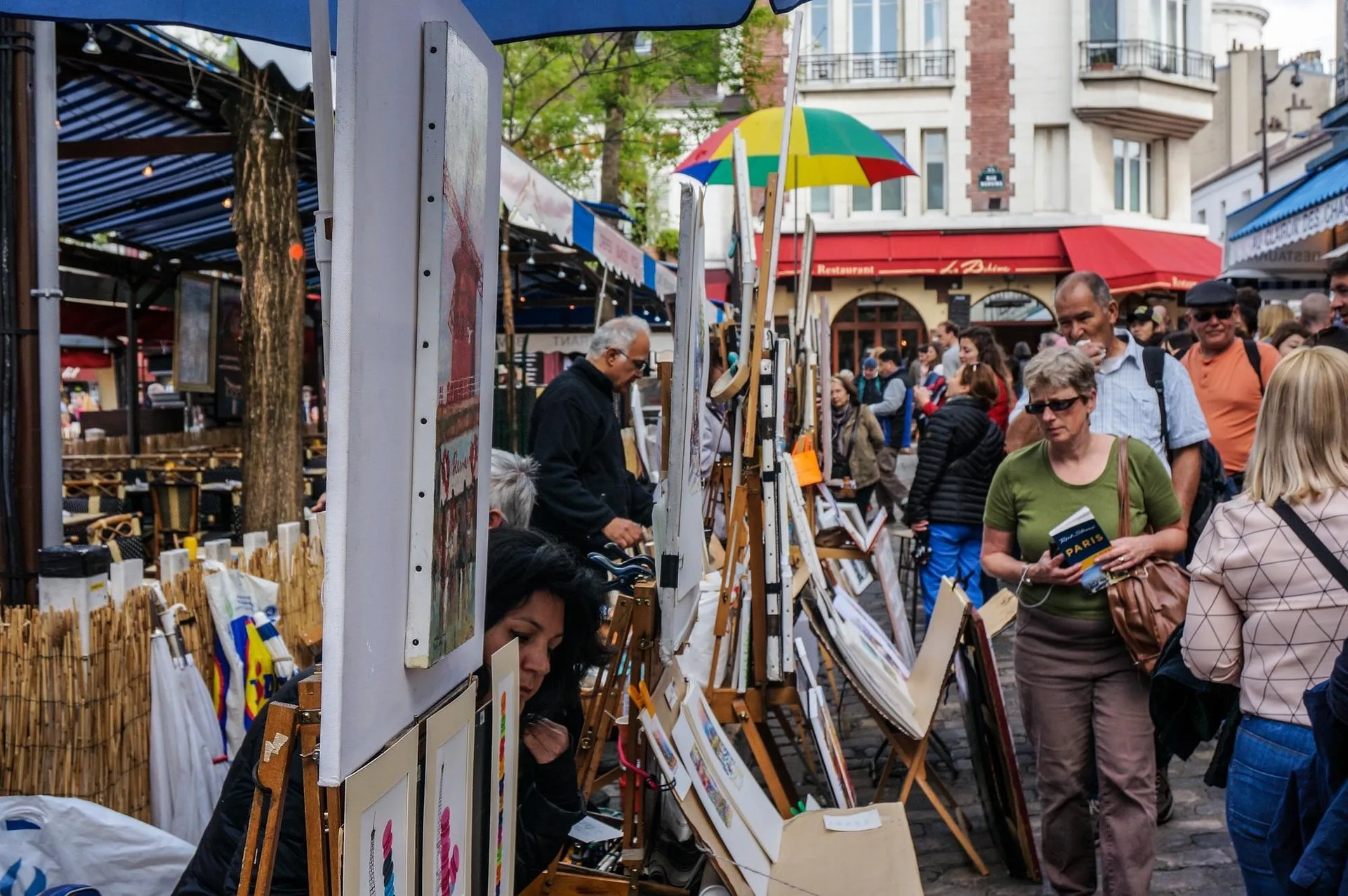
Clever tip: After the tour, you can return to Montmartre so that one of the artists on Place du Tertre can paint your portrait as a keepsake.
During the tour, you will visit the following attractions:
1
Montmartre Vineyards (Clos Montmartre)
Paris
The small Clos Montmartre vineyard produces an October harvest that typically results in roughly 1,700–2,000 bottles of wine.
2
The Pink House (La Maison Rose)
Paris
A charming house that became famous for its pink façade, associated with the painter Maurice Utrillo and Montmartre’s artistic past.
3
Place Dalida
Paris
A peaceful square named after the singer Dalida, who lived nearby.
4
Place du Tertre & La Mère Catherine
Paris
The “heart of Montmartre,” animated by painters and caricaturists. Nearby is the famous La Mère Catherine restaurant, often linked to the popular story of the word “bistro” (1814).
5
Le Lapin Agile Cabaret
Paris
Once a rustic tavern, today an iconic cabaret where artists like Picasso and Modigliani used to gather. Hear the quirky story of a painting “made with the tail of a donkey” named Lolo.
6
The Man Who Walks Through Walls
Paris
A sculpture inspired by Marcel Aymé’s story “Le Passe-Muraille,” depicting a man squeezing through a wall; the work is associated with actor Jean Marais.
7
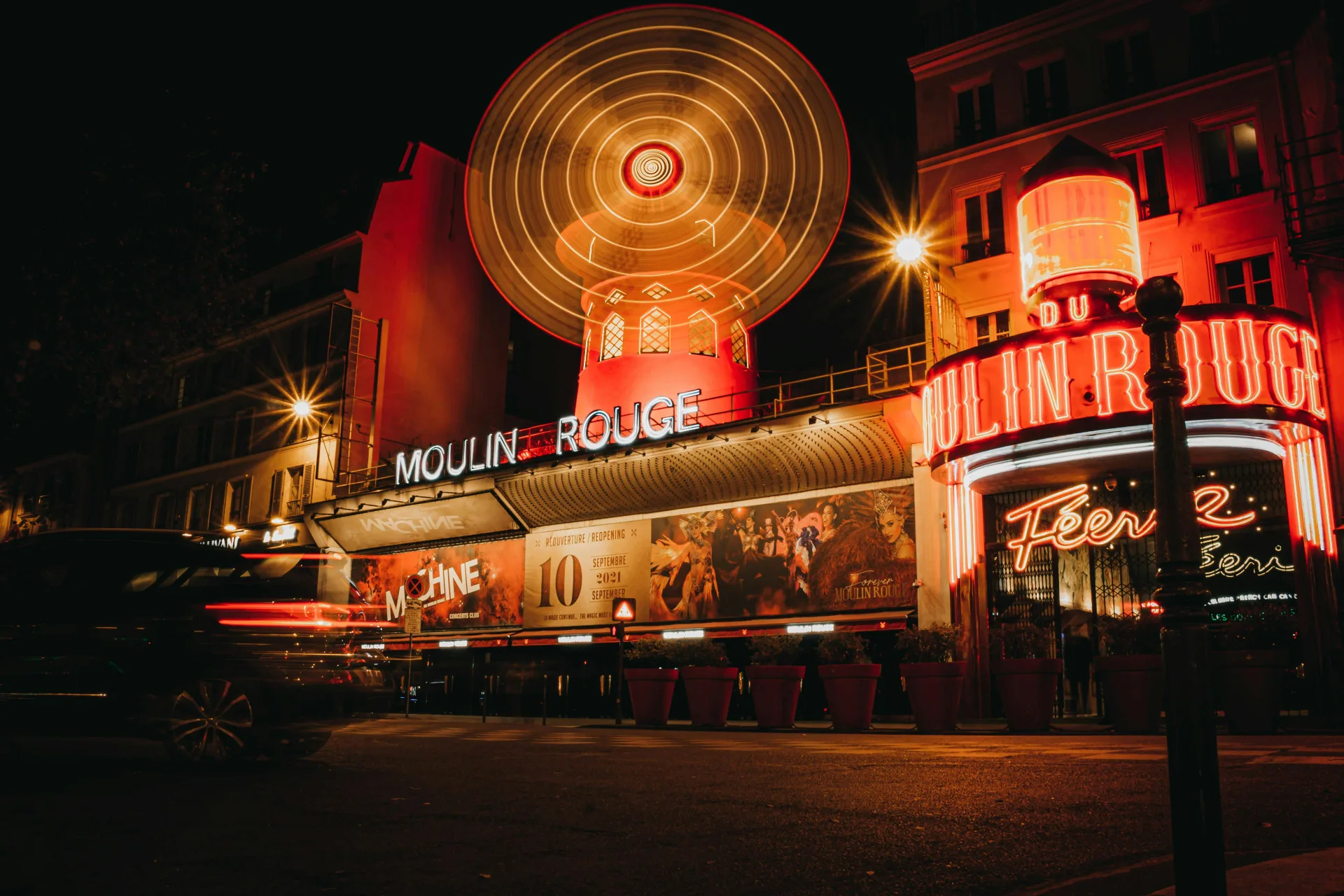
Moulin Rouge Cabaret
Paris
The iconic cabaret opened on October 6, 1889, still famous for its lively cancan shows and festive atmosphere.
8
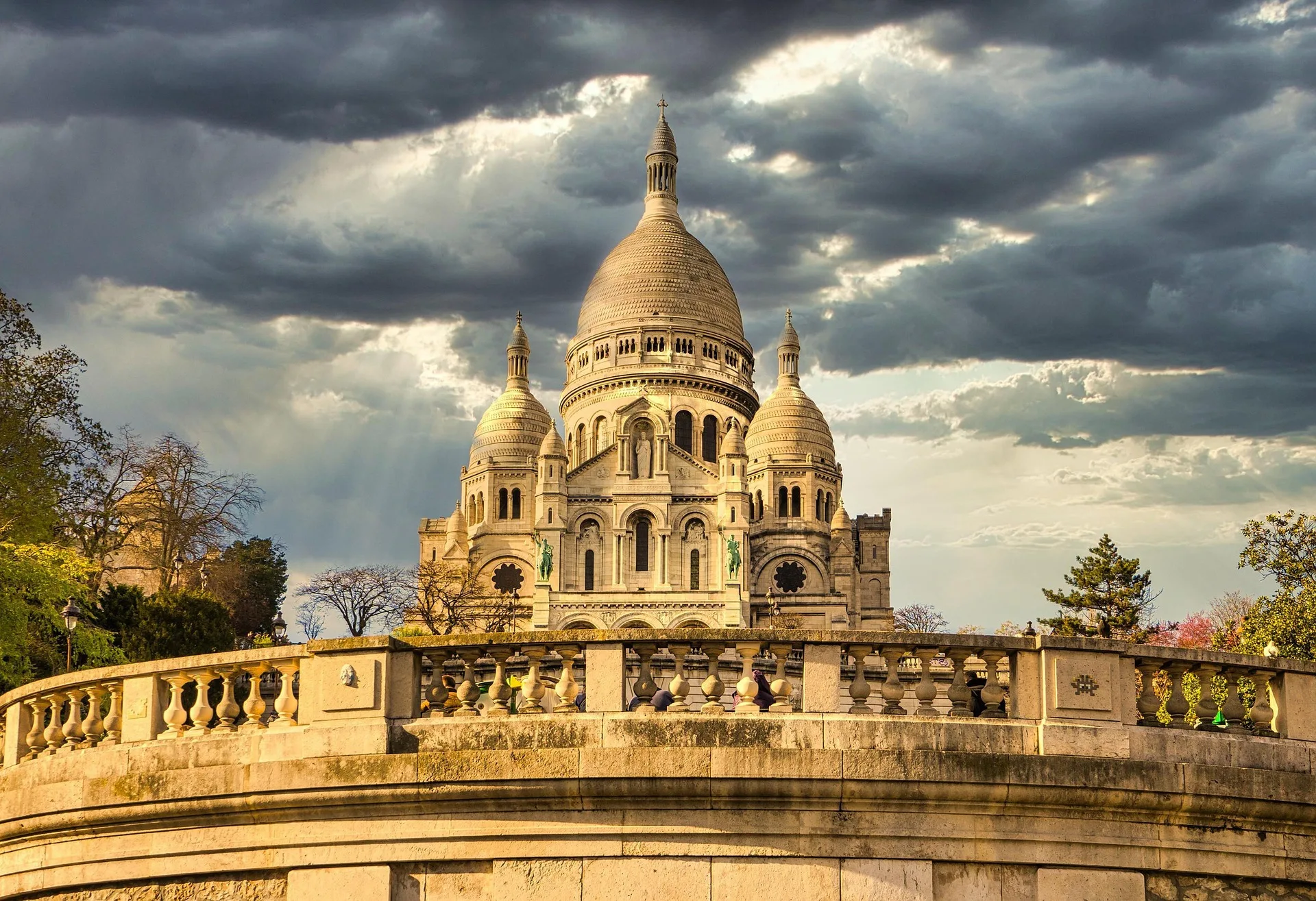
Basilica of the Sacred Heart (Sacré-Cœur)
Paris
Built from Château-Landon limestone, this basilica blends several architectural styles and impresses visitors with its magnificent 480 m² mosaic.
9
Bateau-Lavoir
Paris
A legendary former artists’ residence and studio complex, closely linked to the birth of Cubism.
10
The Wall of Love (Le Mur des Je t’aime)
Paris
A romantic symbol of Montmartre: “I love you” written in 311 languages.
11
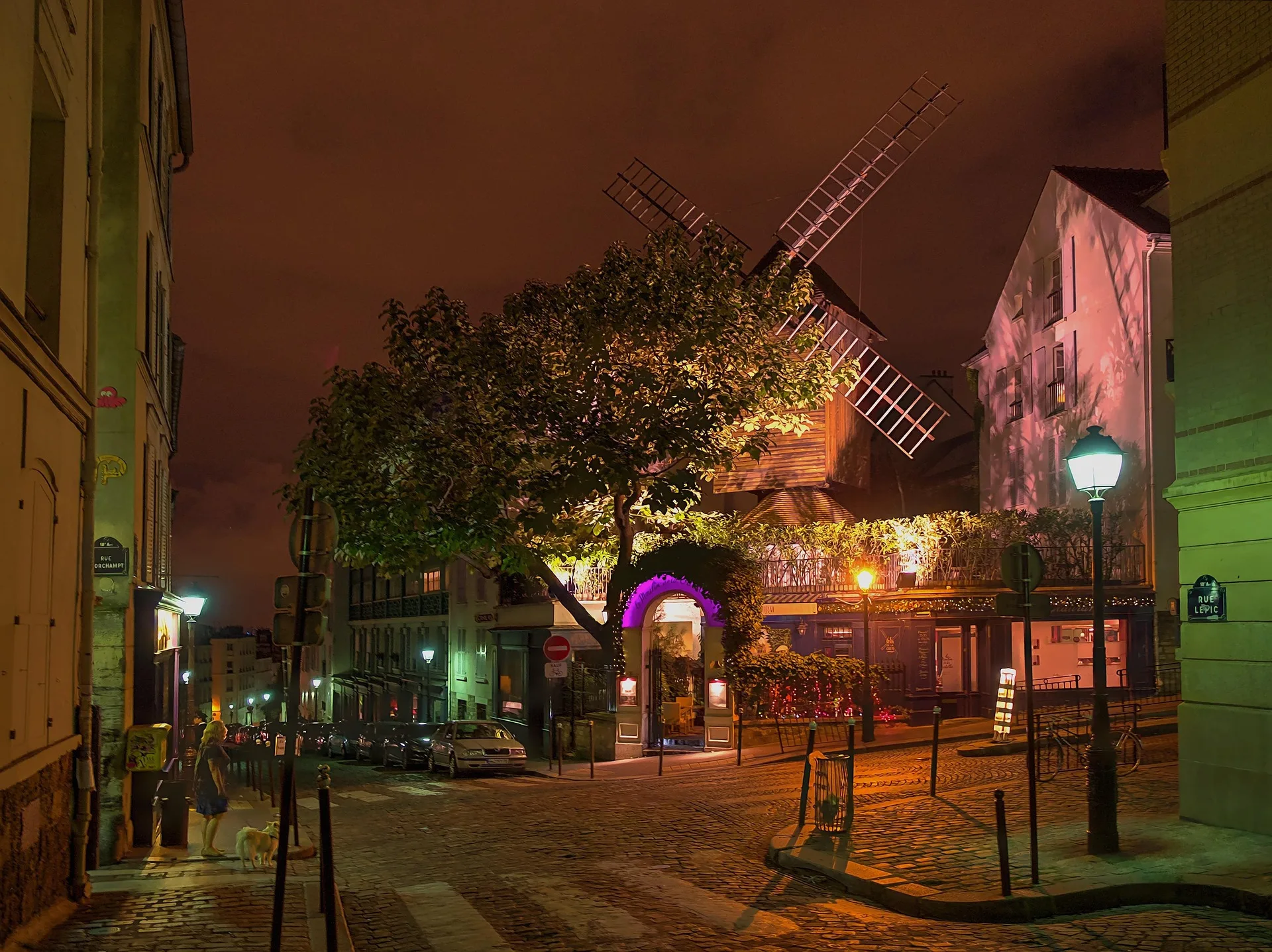
Moulin de la Galette
Paris
An elegant historic windmill associated with a former dance hall—immortalized by Renoir in his famous masterpiece.
12
Saint-Pierre de Montmartre Church
Paris
One of the oldest churches in Paris and the last remaining building of the Montmartre convent founded in the 12th century, associated with Adelaide of Savoy, wife of King Louis VI of France.
Useful tips and recommendations
After the tour, you can return to Montmartre so that one of the artists on Place du Tertre can paint your portrait as a keepsake.
Cunning tips
We recommend wearing comfortable sports shoes.
In sunny weather, don't forget sunglasses; in rainy weather, don't forget an umbrella.
We recommend bringing water and snacks for longer excursions.